
The Next Big Frontier of the American Story
Ed. Note: Champions of Change is a weekly initiative to highlight Americans who are making an impact in their communities and helping our country rise to meet the many challenges of the 21st century.
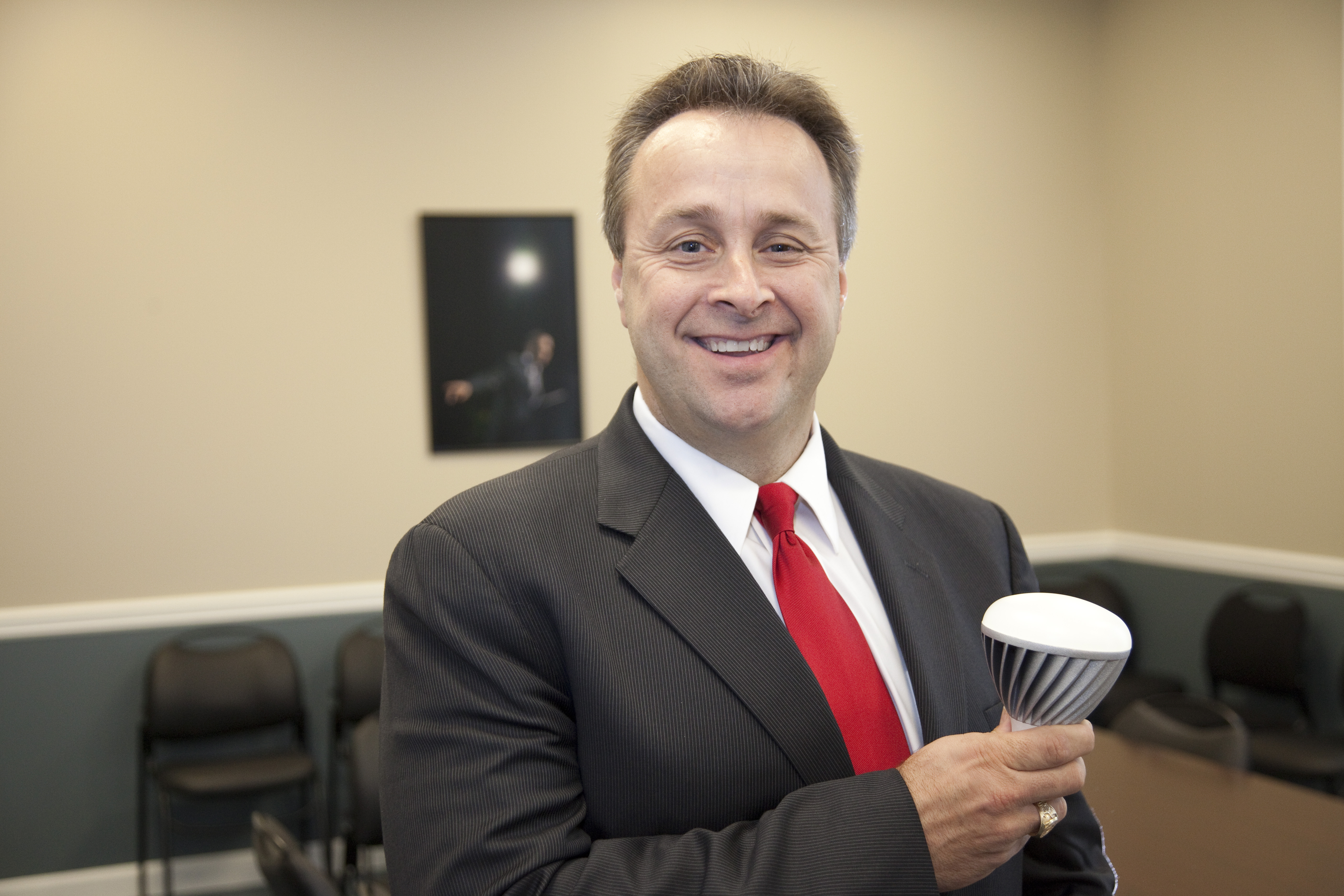
I am truly honored to be recognized among such an extraordinary group of entrepreneurs, scientists and engineers who are using science and technology as change agents to improve the lives and livelihoods of everyday Americans.
The title “Champion of Change” belongs to everyone at Lighting Science Group and other organizations who work every day to find solutions and push the boundaries of what’s possible.
If you think about it, all of the great American success stories have come as a result of our quest to tame the next frontier – from the pilgrims landing on Plymouth Rock to astronauts landing on the moon. Today, we must aim even beyond space itself, to an invisible, yet not unimaginable, clean energy future. That exploration will move ahead with or without us, and no nation which expects to be a 21st Century leader can stay behind in this clean-energy race.
It’s this spirit of competition, collaboration, and curiosity that drives everything we do at Lighting Science Group. We believe that the cleanest energy isn’t solar, geothermal or wind – it’s the energy saved, the energy never expended at all.
Lighting accounts for 19 percent of the world’s energy use and for 22 percent of usage in the United States. Public and commercial buildings represent 60 percent of the power used for lighting, and up to 80 percent of offices are lit by outdated and inefficient systems. In homes across the country, lighting accounts for 15 percent of electricity use.
And yet, 1.3 billion people—one quarter of the global population—are plagued by energy poverty, which means they lack access to any electricity at all. Without electricity and man-made light, marginalized populations are kept at the fringes of society with little prospect of escaping a cycle of impoverishment.
To solve these challenges, we need more champions of change who see the opportunity where others see only the impossible.
For example, in the United States, Lighting Science Group sees 4.4 billion traditional light sockets as a path to save billions of dollars in energy through the installation of efficient LED lighting. We see a space for imaginative collaborations that change the way we see the world—both literally and figuratively—such as our recent partnership with Google to bridge the virtual world to the physical with intelligent lighting systems controlled by cell phones.
Last week, the world reached a population of 7 billion, which will certainly check our current systems of natural resource distribution and energy infrastructure. The clean energy future can no longer remain just a distant prospect, but an oncoming revolution. America must do more than join it—we must lead it. This is the next big frontier of the American story, and Lighting Science Group is pleased to play our part.
James "Jim" Haworth is chief executive officer and chairman of the board of directors of Lighting Science Group, the world’s premier LED lighting company based in Florida.

White House Blogs
- The White House Blog
- Middle Class Task Force
- Council of Economic Advisers
- Council on Environmental Quality
- Council on Women and Girls
- Office of Intergovernmental Affairs
- Office of Management and Budget
- Office of Public Engagement
- Office of Science & Tech Policy
- Office of Urban Affairs
- Open Government
- Faith and Neighborhood Partnerships
- Social Innovation and Civic Participation
- US Trade Representative
- Office National Drug Control Policy
categories
- AIDS Policy
- Alaska
- Blueprint for an America Built to Last
- Budget
- Civil Rights
- Defense
- Disabilities
- Economy
- Education
- Energy and Environment
- Equal Pay
- Ethics
- Faith Based
- Fiscal Responsibility
- Foreign Policy
- Grab Bag
- Health Care
- Homeland Security
- Immigration
- Innovation Fellows
- Inside the White House
- Middle Class Security
- Open Government
- Poverty
- Rural
- Seniors and Social Security
- Service
- Social Innovation
- State of the Union
- Taxes
- Technology
- Urban Policy
- Veterans
- Violence Prevention
- White House Internships
- Women
- Working Families
- Additional Issues