
Fostering Diaspora Mobilization in Humanitarian Action and Beyond
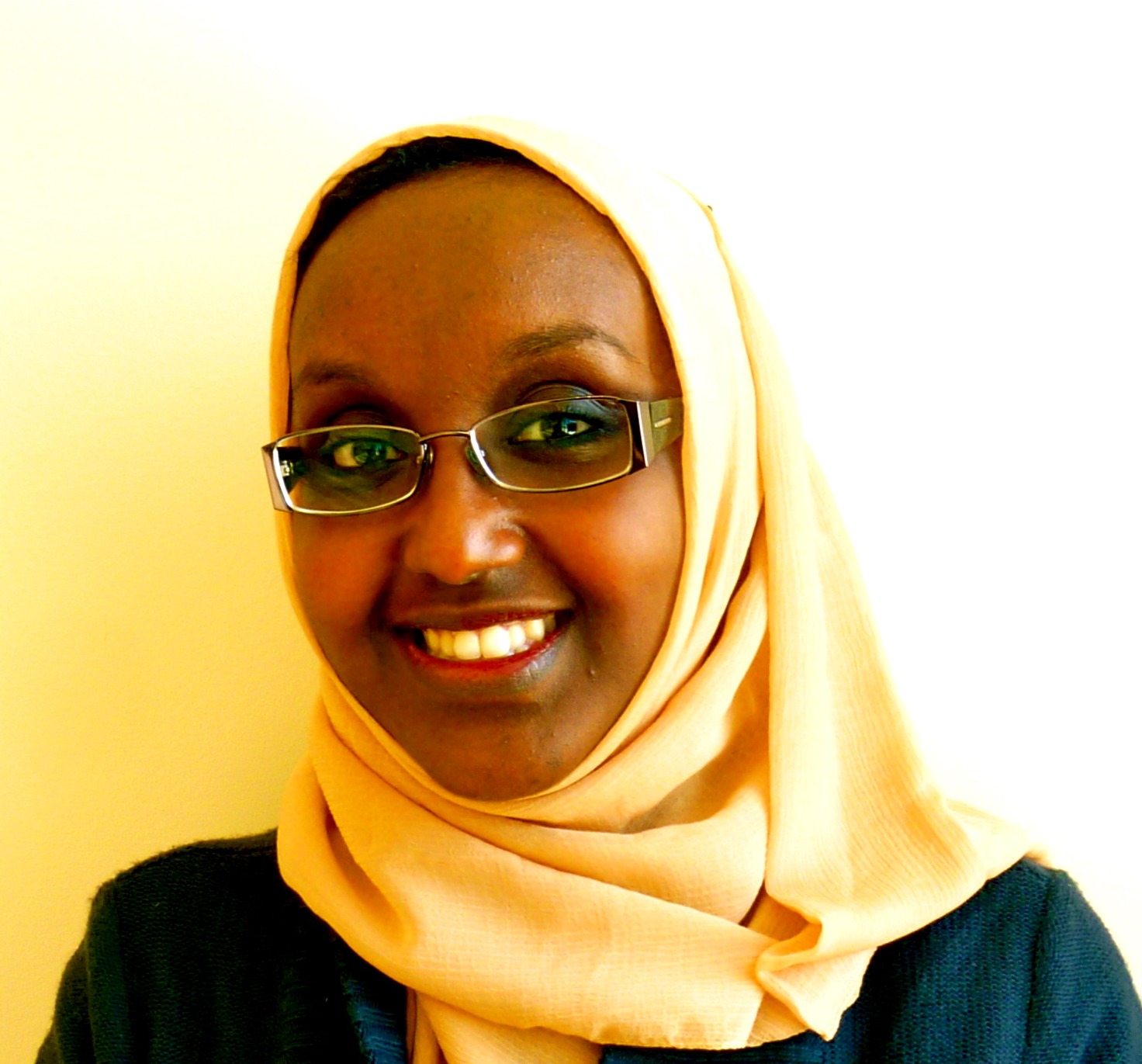
One of my earliest memories as a child was seeing the weak bodies of Somali children displayed on television during the famine in 1991. Twenty years later in the summer of 2011, I again witnessed these painful images. I am currently a first-year student law student deeply interested in international humanitarian law, human rights and global security. With the specter of death looming for East African children, my interest in studying the law and public health grew with urgency. These images galvanized me to act.
Back in 2009, I co-founded the organization Iftiin to provide mentorship and promote networking within the Somali-American community. Using this platform, I spearheaded efforts to mobilize a response to the East Africa famine. I reached out to my networks to raise awareness about the crisis and organized nation-wide fundraisers with other volunteers. Iftiin members reached out to aid groups, hospitals and experts in Southern Somalia to inform our fund-raising efforts, and learn of avenues to reach vulnerable children. Together, we raised thousands of dollars and coordinated one of the first aid convoys inside extremist controlled territory. We also communicated with State Department staff who were proactive in engaging with Diaspora initiatives, and participated in conference calls hosted by the White House. Our efforts in strategizing with small non-profits and providing fund-raising tips to concerned communities throughout the Diaspora underscored how a small group of energetic people can have meaningful impact. Each of these local volunteers is a “Champion of Change”, and I am very honored to be representing our activism at the White House.
Nevertheless, the death of nearly 30,000 children underscored the significance of political stability in the development of healthy societies. As a first-generation American and naturalized citizen, I am committed to helping our foreign policy positively impact vulnerable communities. I hope that Iftiin members here today can partner with the other Champions to continue the conversation on how to support long-term stability in the Horn of Africa. The recognition our organizations get today helps raise the visibility of our efforts, and brings attention to the continuing political crises in East Africa.
Though the crisis this past summer sparked action, Iftiin initially formed to respond to the needs of Somali immigrants. In Somali, Iftiin loosely translates to “light” and our organization aims to transform the current state of the Diaspora. The founding members painfully perceived a leadership vacuum in the Somali-American youth community. As our communities forged new lives in America, some overcame the challenges facing refugee and migrant communities and were able to seize new opportunities. But many others did not. Their struggles anchor our commitment to advocate on behalf of people facing complex social issues in war and during resettlement.
By promoting mentorship, and facilitating connections, Iftiin seeks to foster a global movement that will empower individual members and eventually advance development in East Africa. One way to achieve this is by supporting talented members whose promise and resilience inspires other young members of our community. As Somalis who have been able to successfully navigate personal and professional challenges, we act as resources to others. Through our different experiences, we each bring important perspectives on how to strengthen our neighborhoods.
If you are interested in learning more about Iftiin, our work or how to get involved, don’t hesitate to get in touch!
Fatima co-founded Iftiin, the Somali Forum for Leadership and Development to connect professionals, students and communities in the global Somali Diaspora. During the famine crisis this past summer, Iftiin mobilized awareness campaigns and helped raise thousands for aid organizations by utilizing Facebook, Twitter and professional networks.

White House Blogs
- The White House Blog
- Middle Class Task Force
- Council of Economic Advisers
- Council on Environmental Quality
- Council on Women and Girls
- Office of Intergovernmental Affairs
- Office of Management and Budget
- Office of Public Engagement
- Office of Science & Tech Policy
- Office of Urban Affairs
- Open Government
- Faith and Neighborhood Partnerships
- Social Innovation and Civic Participation
- US Trade Representative
- Office National Drug Control Policy
categories
- AIDS Policy
- Alaska
- Blueprint for an America Built to Last
- Budget
- Civil Rights
- Defense
- Disabilities
- Economy
- Education
- Energy and Environment
- Equal Pay
- Ethics
- Faith Based
- Fiscal Responsibility
- Foreign Policy
- Grab Bag
- Health Care
- Homeland Security
- Immigration
- Innovation Fellows
- Inside the White House
- Middle Class Security
- Open Government
- Poverty
- Rural
- Seniors and Social Security
- Service
- Social Innovation
- State of the Union
- Taxes
- Technology
- Urban Policy
- Veterans
- Violence Prevention
- White House Internships
- Women
- Working Families
- Additional Issues