
Energy and Environment Latest News
Expanding Safe and Responsible Energy Production
Posted by on March 8, 2011 at 5:22 PM ESTAcross the country, American families and businesses are feeling the impact of higher gasoline prices. We understand the extra burden that increasing energy prices put on family budgets across the country, and the administration is closely monitoring the situation and weighing various options that we have.
One area where we have focused our efforts since the start of the administration – long before this current spike – is increasing responsible domestic energy production – including oil and gas. In fact, oil production last year rose to its highest level since 2003. From 2008 to 2010, oil production from the Outer Continental Shelf increased more than a third – from 446 million barrels in 2008 to an more than 600 million barrels of estimated production in 2010.
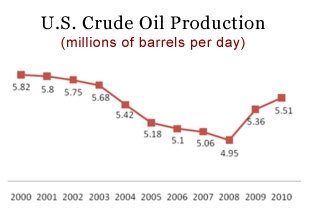
Source: EIA
Onshore, responsible oil production from public lands has also increased over the last year, from 109 million barrels in 2009 to 114 million barrels in 2010.
Learn more about Energy and EnvironmentWinning the Clean Energy Future in Communities Across America
Posted by on March 8, 2011 at 9:59 AM EST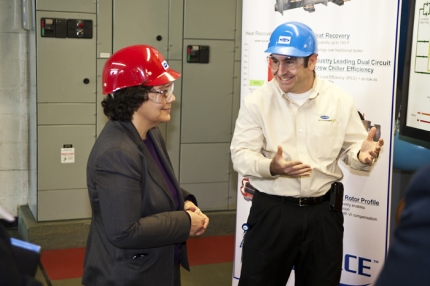
CEQ Chair Nancy Sutley tours the Carrier Corp manufacturing plant for high-efficiency chillers in Charlotte, NC
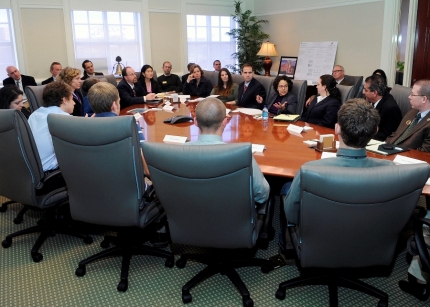
CEQ Chair Nancy Sutley participates in a roundtable discussion with engineering students at the University of North Carolina Charlotte
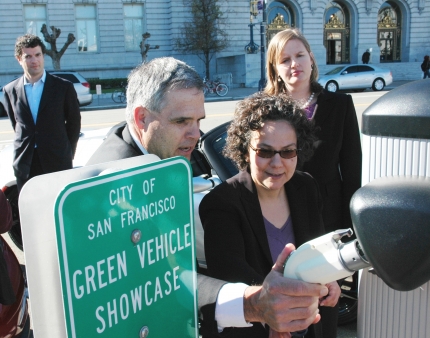
CEQ Chair Nancy Sutley visits the Green Vehicle Showcase with EPA Regional Administrator Jared Blumenfeld, Chief Technical Officer for Coulomb Technologies Richard Lowenthal and San Francisco Department of the Environment Director Melanie Nutter (left to right)
Learn more about Energy and EnvironmentWinning the Biofuel Future
Posted by on March 7, 2011 at 4:59 PM ESTCross-posted from the Department of Energy blog.
Today, the Department announced that a research team at our BioEnergy Science Center achieved yet another advance in the drive toward next generation biofuels: using a microbe to convert plant matter directly into isobutanol. Isobutanol can be burned in regular car engines with a heat value higher than ethanol and similar to gasoline. This is part of a broad portfolio of work the Department is doing to reduce America's dependence on foreign oil and create new economic opportunities for rural America.
This announcement is yet another sign of the rapid progress we are making in developing the next generation of biofuels that can help reduce our oil dependence. This is a perfect example of the promising opportunity we have to create a major new industry based on bio-material such as wheat and rice straw, corn stover, lumber wastes, and plants specifically developed for bio-fuel production that require far less fertilizer and other energy inputs. But we must continue with an aggressive research and development effort.
America's oil dependence -- which leaves hardworking families at the mercy of global oil markets -- won't be solved overnight. But the remarkable advance of science and biotechnology in the past decade puts us on the precipice of a revolution in biofuels. In fact, biotechnologies, and the biological sciences that provide the underlying foundation, are some of the most rapidly developing areas in science and technology today - and the United States is leading the way. In the coming years, we can expect dramatic breakthroughs that will allow us to produce the clean energy we need right here at home. We need to act aggressively to seize this opportunity and win the future.Learn more from the Oak Ridge National Laboratory.
Steven Chu is the Secretary of Energy.
Weekly Wrap Up: Innovation, Education, and Even Some Motown
Posted by on March 4, 2011 at 7:24 PM ESTA quick look back at the week on WhiteHouse.gov:
On Education: This month, the President will be focused on his plan to improve American education through investments that focus on responsibility, reform, and results:
- President Obama travels to Miami to visit a high school that has been an example of how federal support has turned around struggling schools.
- John Legend encourages students to apply for the Race to the Top Commencement Challenge. One high school will be selected to have President Obama speak at its commencement this spring. The deadline to apply is March 11.
- Oh, and Nick Jonas did too.
- The First Lady and Secretary of Education Arne Duncan read to children at the Library of Congress as part of "Read Across America Day," and in celebration of Dr. Seuss' 107th birthday.
Giving States the Power to Innovate: In his address to the meeting of the National Governors' Association, President Obama called for giving states the flexibility to find the best ways to meet standards of care outlined in the Affordable Care Act. Secretary of Health and Human Services Kathleen Sebelius explained what that flexibility means for states across the country.
Learn more about Defense, Economy, Education, Energy and Environment, Foreign Policy, Health Care, Homeland Security, Immigration, Service, Technology, Veterans, Women, Working Families, Additional IssuesWhat You Missed: Open For Questions on the America's Great Outdoors Initiative
Posted by on March 4, 2011 at 7:20 PM ESTYesterday, White House Council on Environmental Quality Chair Nancy Sutley and U.S. Environmental Protection Agency Administrator Lisa Jackson, hosted a live chat to answer your questions about the America's Great Outdoors initiative. The initiative seeks to reinvigorate our approach to conservation and reconnect Americans, especially young people, with the lands and waters that are used for farming and ranching, hunting and fishing, and for families to spend quality time together. They took questions from YouTube videos and Facebook participants from across the country on ways to develop a conservation and recreation agenda that makes sense for the 21st century.
Check out the full video below or skip to the questions you're interested in by using the links below:
Learn more about Energy and EnvironmentGoing Further with America's Auto Industry
Posted by on March 2, 2011 at 5:05 PM ESTCars have always been a part of my life. I was raised with two brothers who loved cars and when we were kids, my sisters and I would hear the buzz about the coolest “this” and the fastest “that.” With all the car talk, one would think I would have become an engineer. Two of my sisters did and we joke it's how we got our “drive.”
By far though, my father played the most important role in my familiarity with cars. He taught me how to drive. He insisted that I learn with a stick shift. He told me that it would make me more independent – that it would take me further.
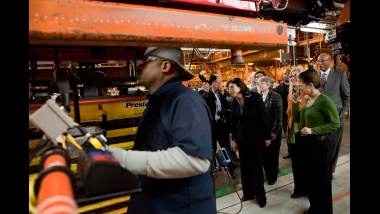
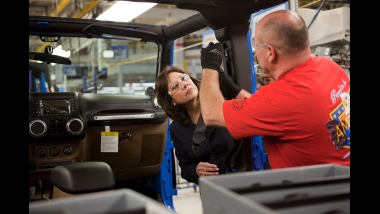
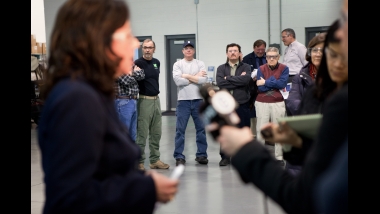
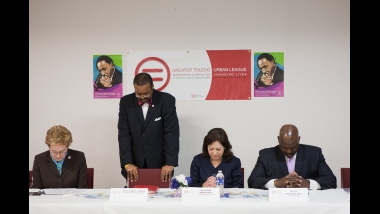
I thought about him when I visited Michigan’s Detroit-Hamtramck plant (where they are building the new Chevy Volt) and the Jeep Supplier Park plant in Toledo, Ohio recently. Both facilities have and continue to be a big beat to the hearts of their communities. And both are a testament to the success of the Obama Administration’s investments in auto communities across the country.
playSecretary Of Labor Hilda Solis Travels To Michigan And Ohio
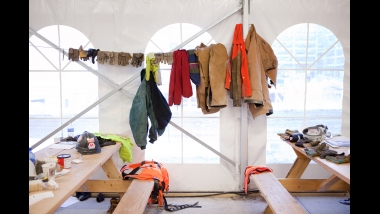
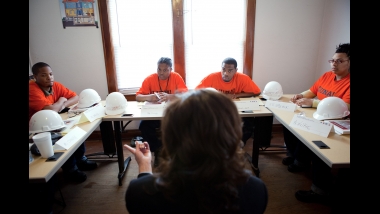
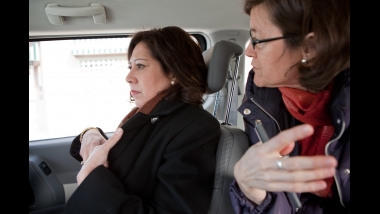
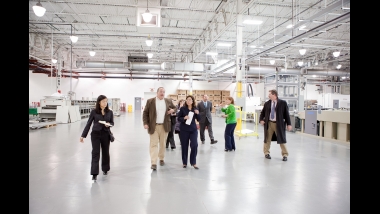
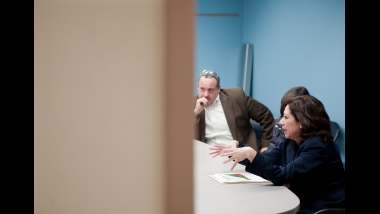
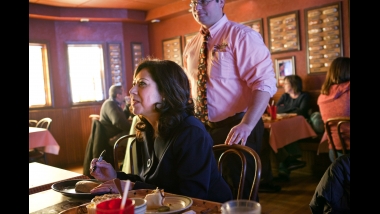
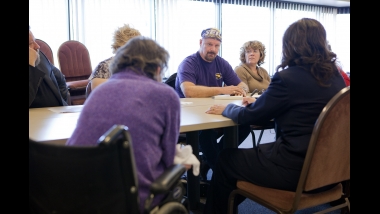
Secretary Of Labor Hilda Solis traveled to Michigan and Ohio in February to
help highlight investments in the auto industry, training and education for next
generation jobs, and the creation of clean and green energy technology.1 of 16But while we’ve come a long way in the last two years – we too can go further.



Related Videos
-
 May 09, 2014 8:21 AM
Inside the White House: Solar Panels
-
 September 01, 2016 8:25 PM
President Obama Delivers a Statement to the Press
White House Blogs
- The White House Blog
- Middle Class Task Force
- Council of Economic Advisers
- Council on Environmental Quality
- Council on Women and Girls
- Office of Intergovernmental Affairs
- Office of Management and Budget
- Office of Public Engagement
- Office of Science & Tech Policy
- Office of Urban Affairs
- Open Government
- Faith and Neighborhood Partnerships
- Social Innovation and Civic Participation
- US Trade Representative
- Office National Drug Control Policy