The White House

Office of the Press Secretary

Remarks as Prepared for Delivery by Assistant to the President for Homeland Security and Counterterrorism Lisa O. Monaco Strengthening our Nation’s Cyber Defenses

**Remarks as Prepared for Delivery**

Assistant to the President for Homeland Security and Counterterrorism Lisa O. Monaco
Strengthening our Nation’s Cyber Defenses
The Wilson Center
Washington, D.C.
Tuesday, February 10, 2015

Good afternoon, everyone.  Thank you, Jane, for your kind words, for your leadership on national security, and to everyone here at the Wilson Center for hosting me today.  Some of you may not know this, but my very first job in Washington, I’m afraid to admit nearly 25 years ago, was working as a research assistant at the Wilson Quarterly—back when it was a quarterly, paper journal.  Now, like everything else in our world, the Wilson Quarterly is online and much more up-to-the-minute.  So today feels a bit like coming home.  

Before I get to my main subject today, I’d like to say a few words about the terrible news of this morning.  With deep sadness, we have confirmed the death of Kayla Mueller, who had been held hostage by ISIL for more than a year.  Today, our hearts go out to her family, and my thoughts in particular are with her parents, Carl and Marsha Mueller, who have shown strength and dignity over many difficult months.  Kayla represented the best of us—she was a testament to the boundless human spirit, and her legacy of compassion will serve as an inspiration to all those who seek to make our world a more just place.  Her life reaffirms a clear truth:  that a hateful and barbarous terrorist group like ISIL will never overcome the basic decency and hope that dwells in the human heart.  And, as the President made clear, we will find and bring to justice the terrorists who are responsible for Kayla’s captivity and death—no matter how long it takes.   

As President Obama’s Homeland Security and Counterterrorism Advisor, I brief him every morning on the most significant, destructive, and horrific threats facing the American people.  I am oftentimes, as the President reminds me, the “bearer of bad news.”  Since I began this job two years ago, I can tell you that an increasing share of the bad news I deliver is unfortunately on cyber threats.  In just the last nine months,  we’ve seen a growing list of high profile targets – Home Depot, JP Morgan Chase, Target, Sony Pictures, CENTCOM, and the U.S. Postal Service, to name a few.

We are at a transformational moment in the evolution of the cyber threat.  The actions we take today – and those we fail to take – will determine whether cyberspace remains a great national asset or increasingly becomes a strategic liability.  An economic and national security strength, or a source of vulnerability. 

So today, I want to talk about the threat we face and the Administration’s approach to countering it, drawing on counterterrorism lessons learned from the last decade of war. 

Let me start with the facts.  According to a recent U.S. Government assessment, cyber threats to our national and economic security are increasing in their frequency, scale, sophistication, and severity of impact.  The range of cyber threat actors, methods of attack, targeted systems, and victims are expanding at an unprecedented clip.  

The pace of cyber intrusions has also ticked up substantially—annual reports of data breaches have increased roughly five-fold since 2009.  And the seriousness of those breaches is also rising, causing significant economic damage.

No one, it seems, is immune – from healthcare companies and universities to the tech industry, critical infrastructure, and entertainment sector.  Just last week, Anthem, one of the nation’s largest health insurance providers, announced that hackers had breached a database containing the personal information of 80 million customers and employees.  Inside the U.S. government, we know that state and non-state actors, terrorists, hackers, and criminals are probing our networks every day – seeking to steal, spy, manipulate, and destroy data.  

At the state level, threats come from nations with highly sophisticated cyber programs, including China and Russia, and nations with less technical capacity but greater disruptive intent, like Iran and North Korea.  Several nations regularly conduct cyber economic espionage for the commercial gain of their companies.  And politically motivated attacks are a growing reality, as we saw with North Korea’s attack on South Korean banks and media outlets last year.

As for non-state actors, threats are increasingly originating from profit-motivated criminals—so-called hackers for hire—those who steal your information and sell it to the highest bidder online.  Transnational criminals use cyber as a vector for profit.  There are the ideologically motivated hackers or terrorists.  You have groups like Anonymous that thrive on creating disruptions on company’s websites and leaking personal information online.  You have groups like the so-called Syrian Electronic Army, which conducts cyber attacks in support of the brutal regime in Syria. 

And then there is ISIL, which has harnessed social media for a propaganda machine that’s radicalizing and recruiting young people to their hateful message around the world.

Most concerning, perhaps, is the increasingly destructive and malicious nature of cyber attacks, as we saw with Sony Pictures Entertainment last fall.  This attack stole large amounts of data and rendered inoperable thousands of Sony’s computers and servers.  It was a game changer because it wasn’t about profit—it was about a dictator trying to impose censorship and prevent the exercise of free expression.  At bottom, it was about coercion, which the United States believes is unacceptable, and which is why we took the extraordinary step of publicly identifying North Korea as responsible for the attack and responded swiftly, imposing additional sanctions on Kim Jong-Un’s regime.

In short, the threat is becoming more diverse, more sophisticated, and more dangerous.

And I worry that malicious attacks like the one on Sony Pictures will increasingly become the norm unless we adapt quickly and take a comprehensive approach, just as we have in other contexts.  Which brings me to the counterterrorism model.

Now, to be sure, there are many differences that make it difficult to apply lessons learned from the counterterrorism experience to cyber.  For one, the private sector plays a more central role in spotting and responding to cyber incidents than they do in the counterterrorism realm, where the government largely takes the lead. 

Having observed our Nation’s response to terrorism post 9/11 from three different perches in the U.S. government—at the FBI, as Assistant Attorney General for National Security at the Department of Justice, and now at the White House—I can tell you there are structural, organizational, and cultural shifts that were made in our government in the counterterrorism realm that also apply to cyber.  We need to develop the same muscle memory in the government response to cyber threats as we have for terrorist incidents.

Structurally, since 9/11 our government has done the hard work of breaking down walls in our counterterrorism agencies and bringing people together to share information so that we get the best possible assessment of the threat.  Whenever possible, we’re bringing partners together to share information and extend our operational reach.  This model has made our counterterrorism mission against an evolving enemy more effective and sustainable.   

Like counterterrorism, meeting cyber threats requires a whole-of-government approach that uses all the appropriate tools available to us—including our global diplomacy, our economic clout, our intelligence resources, our law enforcement expertise, our competitive technological edge, and, when necessary, our military capability.  Those who would harm us should know that they can be found and will be held to account.

In the cyber context, we need to share threat information more broadly and coordinate our actions so that we’re all working to achieve the same goal—and we have to do so consistent with our fundamental values and in a manner that includes appropriate protections for privacy and civil liberties.  We need to sync up our intelligence with our operations and respond quickly to threats against our citizens, our companies, and our Nation. 

Make no mistake.  Over the last few years, we have developed new and better ways to collaborate across all levels of government and with our partners in the private sector—including at the operational hubs in our government charged with monitoring threats, issuing warnings, sharing information, and protecting America’s critical infrastructure. 

At the White House, we’ve taken steps to improve our policy response.  Last summer, following a rising number of breaches and intrusions to public and private networks, we created the Cyber Response Group, or CRG—modeled on the highly effective and long-standing Counterterrorism Security Group.  The CRG convenes the interagency and pools knowledge about ongoing threats and attacks and coordinates all elements of our government’s response at the highest levels. 

Despite this progress, it has become clear that we can do more as a government to quickly consolidate, analyze, and provide assessments on fast-moving threats or attacks.  As President Obama said during the State of the Union last month, we will make “sure our government integrates intelligence to combat cyber threats, just as we have done to combat terrorism.” 

So today, I’m pleased to announce that we will establish a new Cyber Threat Intelligence Integration Center, or CTIIC, under the auspices of the Director of National Intelligence.  Currently, no single government entity is responsible for producing coordinated cyber threat assessments, ensuring that information is shared rapidly among existing Cyber Centers and other elements within the government, and supporting the work of operators and policy makers with timely intelligence about the latest cyber threats and threat actors.  The CTIIC is intended to fill these gaps. 

In this vein, CTIIC will serve a similar function for cyber as the National Counterterrorism Center does for terrorism—integrating intelligence about cyber threats; providing all-source analysis to policymakers and operators; and supporting the work of the existing Federal government Cyber Centers, network defenders, and local law enforcement communities.  The CTIIC will not collect intelligence—it will analyze and integrate information already collected under existing authorities. 

Nor will it perform functions already assigned to other Centers.  It is intended to enable them to do their jobs more effectively, and as a result, make the Federal government more effective as a whole in responding to cyber threats.  CTIIC will draw on the existing Cyber Centers to better integrate their relevant expertise and information to improve our collective response to threats. 

Of course, responding to today’s threat is only part of the task.  The real challenge is getting ahead of where the threat is trending.  That’s why the President’s National Security Strategy identifies cyber as a critical focus area to ensure we both meet the challenges of today and prepare for the threats we will face tomorrow.  The President’s new budget backs up this commitment with $14 billion to protect our critical infrastructure, government networks, and other systems. 

And later this week, at Stanford University, President Obama and I and several Cabinet members will join hundreds of experts, academics, and private sector representatives for a first-of-its-kind summit to discuss how we can improve trust, enhance cooperation, and strengthen America’s online consumer protections and cyber defenses. 

But to truly safeguard Americans online and enhance the security of what has become a vast cyber ecosystem, we are going to have to work in lock-step with the private sector. 

The private sector cannot and should not rely on the government to solve all of its cybersecurity problems.  At the same time, I want to emphasize that the government won’t leave the private sector to fend for itself.  Partnership is a precondition of success—there’s no other way to tackle such a complicated problem.  It requires daily collaboration to identify and analyze threats, address vulnerabilities, and then work together to respond jointly. 

To the private sector, we’ve made it clear that we will work together.  We’re not going to bottle up our intelligence—if we have information about a significant threat to a business, we’re going to do our utmost to share it.  In fact, within 24 hours of learning about the Sony Pictures Entertainment attack, the U.S. government pushed out information and malware signatures to the private sector to update their cyber defenses.  We want this flow of information to go both ways. 

The private sector has vital information we don’t always see unless they share it with us, and the government has a unique capacity to integrate information about threats, including non-cyber sources, to create the best possible picture to secure all of our networks.

When companies share information with us about a major cyber intrusion or a potentially debilitating denial of service attack, they can expect us to respond quickly.  We will provide as much information as we can about the threat to assist companies in protecting their networks and critical information.  We will coordinate a quick and unified response from government experts, including at DHS and the FBI.  We will look to determine who the actor is and hold them to account.  And, as we respond to attacks, we will bring to bear all of the tools available to us and draw on the full range of government resources to disrupt threats.  

I want to commend companies that have shown strong leadership by coming forward as soon as they identify breaches and seeking assistance so we can work together and address threats more rapidly—which is good for the company, good for the consumer, and good for the government.  Across the board, we’re tearing down silos, increasing communication, and developing the flexibility and agility to respond to cyber threats of the 21st century, just as we have done in the counterterrorism world.    

Moving forward, as our lives become more and more dependent on the Internet, and the amount of territory we have to defend keeps expanding, our strategy will focus on four key elements. 

First, we need to improve our defenses—employing better basic preventative cybersecurity, like the steps outlined in the Cybersecurity Framework announced last year, would enable every organization to manage cyber risk more effectively.  But even just employing basic cyber hygiene could stop a large percentage of the intrusions we face, so we’ve got to start by getting the basics rights.      

Second, we need to improve our ability to disrupt, respond to, and recover from cyber threats.  That means using the full strength of the United States government—not just our cyber tools—to raise the costs for bad actors and deter malicious actions.

Third, we need to enhance international cooperation, including between our law enforcement agencies, so that when criminals anywhere in the world target innocent users online, we can hold them accountable—just as we do when people commit crimes in the physical world. 

And fourth, we need to make cyberspace intrinsically more secure—replacing passwords with more secure technologies, building more resilient networks, and enhancing consumer protections online, to start with.

President Obama will continue to do everything within his authority to harden our cyber defenses, but executive actions alone will not be enough.  We need durable, long-term solutions, codified in law that bolster the Nation’s cyber defenses.  This is not, and should not, be a partisan issue.  The future security of the United States depends on a strong, bipartisan consensus that responds to a growing national security concern.  Everyone shares responsibility here, including the Congress.

In December, Congress passed important bills to modernize how the government protects its systems and to clarify the government’s authorities to carry out its cyber missions.  Today, we need the Congress to build on that progress by passing the package of cybersecurity measures that President Obama announced last month that encourage greater information sharing, set a national standard for companies to report data breaches, and provide law enforcement with updated tools to combat cybercrime.  And we look to Congress to pass a budget with critical funding for cybersecurity, including for DHS.  The Administration is ready to work with Congress to pass these measures as quickly as possible. 

Cybersecurity is and will remain a defining challenge of the 21st century.  With more than three billion internet users around the world and as many as ten billion internet-connected devices, there’s no putting this genie back in the bottle.  We have to get this right.  Our prosperity and security depend upon the Internet being secure against threats; reliable in our ability to access information; open to all who seek to harness the opportunities of the Internet age; and interoperable to ensure the free flow of information across networks and nations. 

But we are at a crossroads, and the clock is ticking.  The choices we make today will define the threat environment we face tomorrow. 

All of us have a responsibility to act—to take preventative measures to defend our systems; to build greater resilience into our networks to bounce back from attacks; to break down silos and improve information sharing and the integration and analysis of threats; to pass cybersecurity legislation; and to ensure we take a comprehensive, whole-of-government approach to respond to cyber attacks, just as we do in other contexts.   

These are hard and complicated issues.  But I’m confident that working together—government, industry, advocacy groups, the public, and Congress—our networks will be safer, our privacy protected, and our future more secure. I look forward to tackling these threats with all of you.  Thanks very much. 

The White House

Office of the Press Secretary

President Obama Announces Presidential Delegation to Attend the Presidential Inauguration of Her Excellency Kolinda Grabar-Kitarović, President-elect of the Republic of Croatia

President Barack Obama today announced the designation of a Presidential Delegation to Zagreb, Croatia to attend the Presidential Inauguration of Her Excellency Kolinda Grabar-Kitarović, President-elect of the Republic of Croatia on February 15, 2015.
 
The Honorable Elizabeth Sherwood-Randall, Deputy Secretary of Energy, will lead the delegation.
 
Members of the Presidential Delegation:
 
The Honorable Kenneth H. Merten, U.S. Ambassador to the Republic of Croatia, Department of State
 
Mr. Hoyt B. Yee, Deputy Assistant Secretary of State for the Bureau of European and Eurasian Affairs
 
The Honorable Capricia Penavic Marshall, Former U.S. Chief of Protocol, Department of State
 

The White House

Office of the Press Secretary

Readout of the President's Meeting with Private Sector Supporters of the International Response to End Ebola

Today, President Obama met with 13 private sector and foundation leaders who have joined the international response to end the Ebola epidemic by providing urgent assistance, mobilizing public interest and action, and setting the stage for recovery.  The President thanked participants for contributing to the progress achieved thus far and encouraged them to sustain the momentum.  The President also urged continued vigilance to end the Ebola epidemic and shared views about the next steps to achieve a resilient and Ebola-free West Africa. The President reiterated his commitment to "Get to Zero," focus on regional recovery, strengthen global capability to prevent, detect, and rapidly respond to future outbreaks, and he encouraged the private sector leaders to do the same.

Private Sector Participants:

  • Hugo Bague (Rio Tinto)
  • David M. Barash (General Electric Foundation)
  • Larry Brilliant (Skoll Foundation)
  • Michael Deich (Bill and Melinda Gates Foundation)
  • Gabrielle Fitzgerald (Paul G. Allen Family Foundation)
  • Jacqueline Fuller (Google)
  • Joel Kaplan (Facebook)
  • Randy Newcomb (Humanity United)
  • Ed Martinez (UPS Foundation)
  • Strive Masiyiwa (Econet Wireless)
  • Lucy Southworth (Larry Page Family Foundation)
  • Tidjane Thiam (Prudential) Jeffrey Wright (Actor)

The White House

Office of the Press Secretary

Letter from the President -- Authorization for the Use of United States Armed Forces in connection with the Islamic State of Iraq and the Levant

TO THE CONGRESS OF THE UNITED STATES:

The so-called Islamic State of Iraq and the Levant (ISIL) poses a threat to the people and stability of Iraq, Syria, and the broader Middle East, and to U.S. national security.  It threatens American personnel and facilities located in the region and is responsible for the deaths of U.S. citizens James Foley, Steven Sotloff, Abdul-Rahman Peter Kassig, and Kayla Mueller.  If left unchecked, ISIL will pose a threat beyond the Middle East, including to the United States homeland.

I have directed a comprehensive and sustained strategy to degrade and defeat ISIL.  As part of this strategy, U.S. military forces are conducting a systematic campaign of airstrikes against ISIL in Iraq and Syria.  Although existing statutes provide me with the authority I need to take these actions, I have repeatedly expressed my commitment to working with the Congress to pass a bipartisan authorization for the use of military force (AUMF) against ISIL.  Consistent with this commitment, I am submitting a draft AUMF that would authorize the continued use of military force to degrade and defeat ISIL.

My Administration's draft AUMF would not authorize long‑term, large-scale ground combat operations like those our Nation conducted in Iraq and Afghanistan.  Local forces, rather than U.S. military forces, should be deployed to conduct such operations.  The authorization I propose would provide the flexibility to conduct ground combat operations in other, more limited circumstances, such as rescue operations involving U.S. or coalition personnel or the use of special operations forces to take military action against ISIL leadership.  It would also authorize the use of U.S. forces in situations where ground combat operations are not expected or intended, such as intelligence collection and sharing, missions to enable kinetic strikes, or the provision of operational planning and other forms of advice and assistance to partner forces.

Although my proposed AUMF does not address the 2001 AUMF, I remain committed to working with the Congress and the American people to refine, and ultimately repeal, the 2001 AUMF.  Enacting an AUMF that is specific to the threat posed by ISIL could serve as a model for how we can work together to tailor the authorities granted by the 2001 AUMF.

I can think of no better way for the Congress to join me in supporting our Nation's security than by enacting this legislation, which would show the world we are united in our resolve to counter the threat posed by ISIL.

BARACK OBAMA

THE WHITE HOUSE,
February 11, 2015.

The White House

Office of the Press Secretary

FACT SHEET: Progress in Our Ebola Response at Home and Abroad

Today, approximately 10 months since the first U.S. personnel deployed to West Africa to fight Ebola, we mark important milestones in our response to the epidemic and chart the way ahead. In keeping with the President’s charge that we tackle Ebola as a national security priority, we built, coordinated, and led an international response—involving thousands of personnel, both U.S. and international, civilian, and military—to fight the disease at its source. All the while, we enhanced our preparedness to encounter Ebola on our shores, establishing comprehensive measures to screen and detect the disease in travelers, while strengthening our capacity to diagnose, isolate, and treat any patients safely. This response showcased American leadership at its finest on the world stage, just as we came together as a nation to fortify our domestic resilience in the face of understandable apprehension. To be sure, our tasks are far from complete; we will keep working to meet this challenge until there are zero cases in West Africa and our domestic infrastructure is fully completed.  Our focus now turns to consolidating that substantial progress as America today marks the next phase of our response.

As we mark this transition, today President Obama will host at the White House some of those responsible for these substantial gains. In preparation for this event, Ron Klain, the outgoing Ebola Response Coordinator, provided the President with a comprehensive update on our progress. As he told the President, Americans should be proud of what we, together as a nation, have accomplished, even as we must not lose sight of the challenges that remain and the urgent tasks ahead.

Together with our international partners – and the people of the three nations themselves – we have bent the curve of the epidemic and placed it on a much improved trajectory. We have gone from over 1,000 new suspected, probable, and confirmed Ebola cases a week in October, to roughly 150 new confirmed weekly cases in the most recent reports.  Liberia has reported only a handful of new cases per week, a drop of well over 90 percent.  Significant declines also have been reported in Sierra Leone from the epidemic’s peak. Among the accomplishments in this response:

  • We ramped up the civilian response to treat Ebola patients, trace their contacts, promote safe burials, and increase community knowledge, resulting in more than 10,000 U.S. Government-supported civilians now on the ground in West Africa;
  • In Liberia, U.S. personnel, both civilian and military, trained more than 1,500 healthcare workers, enabling them to provide safe and direct medical care to Ebola patients;
  • The Centers for Disease Control and Prevention (CDC) sent nearly 1,000 civil servants on international deployments to support the Ebola response; 
  • The U.S. Government facilitated the construction of 15 Ebola Treatment Units (ETUs) in the region, of which 10 were built by U.S. service members, along with a medical unit in Monrovia, Liberia, used to treat infected healthcare workers.  These facilities have enabled  the testing and isolation of hundreds of patients;
  • We supported the establishment of core public health management of the epidemic such that in all three countries, there are now functioning public health emergency operations centers, laboratory testing capabilities, enhanced coordination, and rapid response capabilities; and,
  • U.S. leadership galvanized a robust international response comprised of over 62 countries contributing more than $2 billion as well as thousands of personnel and wide-ranging resources.

Here at home, our response was methodical and guided by the science as we stood-up and enhanced our domestic preparedness. We are much better prepared to identify, isolate, and treat anyone who presents with the disease. Among our specific domestic accomplishments:

  • We established a system for monitoring all arriving travelers from countries with widespread transmission. The regime is comprised of screening and daily symptom checks, including in-person examinations for those at elevated risk, covering more than 99 percent of all arriving travelers subject to this regime;
  • We devised and implemented a system of nationwide Ebola Treatment Centers (ETCs)—facilities designed to treat an Ebola patient safely and effectively—resulting in a network that places more than 80 percent of all arriving travelers from the affected countries within 200 miles of one of the 51 Centers;
  • We accelerated development of diagnostics, vaccines, and therapeutics to identify, prevent, and treat the disease. Two vaccine candidates have completed Phase 1 trials, while Phase 2/3 vaccine candidate trials are underway in West Africa with therapeutics trials starting shortly. Three rapid point-of-care tests are being evaluated; two of them are in field trials, and another will be ready for field trial in the near future;  We are taking steps to ensure commercial-scale manufacturing capabilities for the successful vaccines, diagnostics, and therapeutics for potential future needs;  and
  • We worked with a bipartisan coalition of lawmakers to secure the resources necessary to confront this disease both at home and abroad, leading a Congressional majority to approve $5.4 billion in emergency funding in December 2014.  

A Successful Strategy to “Bend the Curve” of the Epidemic in West Africa

Since its launch in March 2014, the U.S. Ebola response has deployed more than 3,500 Department of Defense (DoD), CDC, U.S. Public Health Service (USPHS) Commissioned Corps, U.S. Agency for International Development (USAID), and National Institutes of Health (NIH) personnel to the affected region. As a result of this strategy – along with international partners, non-governmental organization, international responders, and others -- we have helped bend the epidemiological curve and averted the horrific worst-case scenarios predicted by computer modeling at the beginning of the response. We have since seen drastic declines in the case counts in all three countries.

  • In Liberia at the peak of the outbreak, there were 119 confirmed cases per week, and today there were 3 confirmed new cases this week.
  • In Sierra Leone at the peak of the outbreak, there were 534 confirmed new cases per week, and today there are 76 confirmed new cases this week.
  • In Guinea at the peak of the outbreak, there were 148 confirmed cases per week, and today there are 66 confirmed new cases this week.


Chart of Ebola Cases on the Decline

This progress was predicated on a global response, in which America’s whole-of-government strategy has included both civilian and military personnel. Over 10,000 U.S. Government-supported personnel are now engaged in the Ebola response in West Africa, treating patients, tracing contacts, promoting safe burials, and educating communities, among other core tasks.

Isolation and Treatment Facilities: The U.S. Government facilitated the construction of 15 ETUs in the region, of which 10 were built by DoD. All had been completed by early January and have helped isolate of hundreds of Ebola patients and those suspected of having the disease. We also provided materials and operational support to several other ETUs, Transit Centers, and Limited Care facilities in the affected countries, resulting in a network of isolation and treatment facilities critical to disrupting chains of transmission. 

  • Additionally, DoD constructed the Monrovia Medical Unit (MMU) for treatment of Ebola-infected healthcare workers with staffing by the USPHS Commissioned Corps.  DoD is now in the process of transitioning non-clinical management to USAID. Since November, the MMU has admitted and cared for over 36 patients from 9 nations. Over 200 officers of HHS’ U.S. Public Health Service Commissioned Corps have deployed and staffed the facility.

Provision of Medical and Relief Supplies: USAID expanded the pipeline of medical equipment and supplies, airlifting to the region more than 400 metric tons of personal protective equipment (PPE), infrared thermometers, chlorine, and plastic sheeting for the construction of ETUs. In addition, DoD is in the process of delivering 1.4 million sets of PPE to Liberia. CDC has provided the technical expertise to direct purchasing requests for both ETU and frontline healthcare facility PPE and infection control resource needs. 

Safe Burial Teams: Unsafe burial practices accounted for many of the transmissions throughout the region, leading us to prioritize the creation and support of Safe Burial Teams. U.S. partners have established and operated over 190 burial teams in the region—70 in Liberia, 50 in Sierra Leone, 70 in Guinea. 

Laboratory Testing Facilities: DoD has provided seven mobile laboratories to the region, reducing the time to diagnosis from days to hours. These labs have tested more than 4,000 samples since September 2014. CDC is also supporting laboratories in Liberia and Sierra Leone, leading to efficient and rapid Ebola testing. CDC continues to staff a laboratory in Bo, Sierra Leone, that has tested more than 10,000 samples and has applied innovations to improve throughput. CDC’s Lab Task Force has initiated trainings and provided guidance in partnership with at-risk, unaffected countries to improve their response capacity in the event that an Ebola case is imported into their country.

Contact Tracing and Case Investigation: USAID and CDC partners have pursued an aggressive case investigation and contact tracing effort designed to identify and monitor all active chains of transmission in the region. As of early February, nearly all new cases in Liberia were diagnosed in known contacts of Ebola patients, indicating the tremendous progress we have made. CDC has deployed teams to district/county prefecture levels to assist with the response. 

Training Healthcare Workers: In Liberia, DoD has trained more than 1,500 health care providers, enabling them to provide safe and direct medical care to Ebola patients. In Sierra Leone and Guinea, USAID-supported partners have trained thousands of health care workers in infection control standards and Ebola case management to ensure they have resources and skills to safely care for Ebola patients. CDC, meanwhile, has trained 690 master trainers and more than 18,000 frontline healthcare staff and has conducted 231 facility assessments. As of January, CDC had trained more than 450 responders in the United States prior to their work in West African ETUs.

Community Outreach and Social Mobilization: USAID has supported programs to reach millions across the region with messages on Ebola identification and prevention, teaching them how to protect themselves and their loved ones. USAID also enabled mobilization teams to go door-to-door in communities across the region with potentially life-saving information. Additionally, CDC and its partners have engaged with communities in the affected countries through influential community members, such as community leaders, religious leaders, journalists, celebrities, and others to foster widespread use of accurate, consistent messages.

Exit Screening: CDC has worked with international partners to increase capacity in Liberia, Sierra Leone, and Guinea to identify travelers who may be experiencing symptoms of Ebola or other diseases, educate travelers, prevent them from traveling within or beyond the region, and refer them for appropriate care as necessary.

Getting to Zero Cases in West Africa

We are encouraged by the declining number of new Ebola cases in West Africa, but remain concerned about a recent increase in cases in Guinea, and an inability to further reduce case counts in Sierra Leone.  Moreover, given that a single case can lead to flare-ups of the virus, we must not lose focus. We will continue to pursue our flexible and adaptable strategy, meeting the evolving conditions on the ground until we have reached zero cases.  For example, just as we have scaled the ETU isolation and treatment capacity to reflect lower case rates, we are now ramping up aggressive case finding and contact tracing efforts to hunt remaining cases. We are training health staff on infection prevention and control measures to ensure that, as regular health services resume across the region, they will be able to identify, triage, isolate, and treat any additional cases. Finally, we will continue public awareness campaigns and outreach so that communities remain vigilant and prepared.

With over 10,000 civilians engaged in this effort with U.S. support, we will beat the virus, launch recovery efforts that strengthen the health systems, prepare for future Ebola or other contagious disease outbreaks, and contribute to stronger global health security.

With the improved epidemiological outlook, we are planning for the return to the United States of the majority of the troops deployed in Operation United Assistance (OUA), the U.S. Military’s Ebola response.  Of the 2,800 troops deployed, approximately 1,500 are already back in the United States, and nearly all of those remaining will return home by April 30. OUA will continue after April 30 with a complement of approximately 100 DoD personnel who, leveraging an already strong military-to-military partnership with the Armed Forces of Liberia and other regional partners, will remain steadfast in supporting Ebola response efforts. Other response functions have been or will be transitioned to civilian personnel. 

  • Throughout the transition, DoD will remain prepared to respond to Ebola-related contingencies in West Africa as requested by USAID.  Military personnel will revert the OUA Intermediate Staging Base in Dakar, Senegal to Cooperative Security Location (CSL) Status on March 2, 2015, where it will remain available to support a range of missions. DoD is identifying the right forces to support follow-on activities, including the headquarters cell, augmentation for Operation ONWARD LIBERTY, the Defense Preparedness Program, and additional security cooperation activities.
  • The Cooperative Threat Reduction Program (CTR) is preparing to build out its biosurveillance capacity, including related biosecurity and biosafety capabilities, in West Africa and expand this capacity to the rest of the continent over the long-term to augment partner country capability to detect and report outbreaks of dangerous infectious diseases. 
  • DoD and the Government of Liberia agreed that in the near term two mobile labs will be repurposed to support sustainable diagnostic testing for biosurveillance. They also agreed that CTR will continue to support the Liberian Institute for Biomedical Research through training, equipping, facility upgrades, and sustainment plans.  

As DoD draws down, the United States will continue to support the regional governments alongside the international humanitarian and public health community.  Working together, the goal remains to get to zero cases while building better and more resilient health systems and ensuring capacity to prevent, detect, and rapidly respond to future outbreaks through our Global Health Security Agenda. While the fight is far from over, we will also be helping health workers and health facilities to reopen their doors to treat malaria, catch up on immunizations for children, and keep pregnant mothers healthy. This objective will require a sustained U.S. engagement in the region. 

Protecting Against Cases at Home

Just as we mounted an aggressive whole-of-government response to bring the epidemic under control in West Africa, we took prudent measures to respond to  threat of Ebola cases to the United States. Since early October, CDC and Department of Homeland Security (DHS) personnel have conducted entry screening to detect signs of illness or potential exposure to Ebola among all passengers arriving in the United States who recently traveled to, from, or through Guinea, Liberia, or Sierra Leone. Entry screening was expanded to include Mali while cases were being reported in that country and potential spread through international air travel remained a concern.

  • Since entry screening began, 7,700 adults and children have been screened. All of them have been subject to a 21-day monitoring regime which enables prompt detection, isolation, and treatment of anyone who is diagnosed with Ebola.  
  • We developed national guidance on Ebola exposure risk levels and relevant public health actions. This guidance included recommendations for public health officials to actively monitor the health of recently-arrived travelers who have some degree of identifiable risk each day for 21 days from the date of their last possible exposure. If a traveler returning from the affected countries were to develop symptoms, he or she would be able to get care immediately and prevent transmission to others.
  • Each traveler being monitored now also receives a Check and Report Ebola (CARE) Kit, a 21-day pre-paid cell phone, a digital thermometer, and meets with a trained educator to learn about daily symptom monitoring and reporting.
  • CDC has given out more than 5,700 CARE Kits, including more than 3,800 CARE cell phones, provided to the U.S. Government free-of-charge by the non-profit CDC Foundation.
  • CDC provided guidance and resources to state and local health partners to implement active and direct active monitoring.   In this way, every person arriving in the US from the three West African nations is subjected to a daily monitoring regime for a 21-day period.

Enhancing Domestic Preparedness

On top of our entry screening measures, we undertook a concerted effort to ensure that, if we needed to treat an Ebola patient, our national health system would be prepared to spot, diagnose, transport, and treat the patient effectively without infecting others.  CDC and the Office of the Assistant Secretary for Preparedness and Response (ASPR) at HHS led efforts to enhance domestic preparedness. CDC implemented a series of tools to assess and improve facility readiness, allowing us to have confidence in our nationwide ability to respond to any additional cases at home.  

CDC released guidance to prepare U.S. healthcare facilities for Ebola through a 3-tiered approach: ETCs, assessment hospitals, and frontline healthcare facilities.

Ebola Treatment Centers. State and local public health officials, with technical assistance from CDC and ASPR, have collaborated with hospital officials to increase domestic capacity to treat Ebola patients. Prior to October, there were three facilities in the United States recognized for their biocontainment capability for treating Ebola and other infectious diseases: Emory University Hospital, University of Nebraska Medical Center, and the National Institutes of Health (NIH) Clinical Center.  Today, we have a network of 51 Ebola treatment centers in 16 states and the District of Columbia, with 72 available beds. 

  • Hospitals with treatment centers have been designated by state health officials, based on a collaborative decision with local health authorities and the hospital administration, to serve as treatment facilities for Ebola patients. ETCs are staffed, equipped, and have been assessed to have the capability, training, and resources to provide the treatment necessary to care for an Ebola patient.   
  • ETCs have been assessed by a CDC Rapid Ebola Preparedness (REP) team, a concept created in October that brings together experts in all aspects of Ebola care, including staff training, infection control, and PPE use. In total, CDC REP teams have visited 80 facilities in 20 states and the District of Columbia.
  • Because of this approach, more than 80 percent of travelers returning from West Africa are now within 200 miles of an Ebola treatment center and could be safely transported to one via ambulance, if necessary.  (Medevac capacity is available for the other returning travelers.) 

Assessment Hospitals. CDC and ASPR have also made progress working with state and local public health officials in identifying Ebola assessment hospitals. Assessment hospitals have been identified by state health officials as the point of referral for individuals who have a travel history and symptoms compatible with Ebola.

  • These hospitals have the capability to evaluate and care for individuals who have a travel history and symptoms compatible with Ebola for up to 96 hours and initiate or coordinate Ebola testing and testing for alternative diagnoses. These hospitals can either rule out Ebola or transfer the individual to an Ebola treatment center, as needed.
  • States with the majority of travelers from the affected countries have developed strategies to evaluate persons under investigation and to provide care for up to 96 hours at an assessment hospital while Ebola testing can be arranged.

Frontline Healthcare Facilities. Acute care hospitals and other emergency care settings can also serve as frontline healthcare facilities. Frontline healthcare facilities are prepared to identify a person with a travel history, potential exposure, and symptoms suggestive of Ebola. 

  • These facilities have the ability to identify and isolate patients with a relevant exposure history and signs or symptoms compatible with Ebola.
  • Frontline healthcare facilities have enough PPE to last for 12 to 24 hours of care and can prepare a patient for transfer to an assessment hospital or treatment center, if needed.
  • Regardless of a facility’s pre-designated role, CDC is ready to support any U.S. hospital or medical clinic that identifies a probable Ebola patient by sending a CDC Ebola Response Team (CERT) within a few hours of a highly suspected or confirmed diagnosis. The CERT Teams will help clinicians and state and local public health practitioners to consistently follow strict protocols that protect the patient and health care workers. These teams are operational and have already been called on for assistance. CDC has also provided additional resources and guidance to assist with hospital readiness. 

 Ebola Testing Laboratories. Just as we have expanded the network of hospitals capable of responding to an Ebola patient, CDC’s Laboratory Response Network (LRN) has grown the network of laboratories able to test a potential Ebola specimen. In order to qualify as an LRN Ebola testing lab, a facility must have an appropriate and functioning biosafety level 3 laboratory, the necessary test reagents, appropriate staff training, and the proper PPE to perform the assay safely. A testing lab demonstrates competency by successful completion of a quality assurance panel. Upon completion and evaluation of the panel, the laboratory is considered approved to test for Ebola using the DoD assay.

  • Prior to the current outbreak in West Africa, Ebola could be confirmed only at the CDC laboratory in Atlanta, Georgia. In August 2014, 13 LRN laboratories in 13 states were qualified to test for Ebola. As of January 31, 2015, there are 55 LRN laboratories in 43 states that are approved to test for Ebola using a DoD test authorized for emergency use by the U.S. Food and Drug Administration (FDA). Since we have more than quadrupled our capacity to test for Ebola, turnaround time for Ebola results dramatically decreased in the United States. 
  • With the expansion of testing services, a test result is typically available 4 to 6 hours after receipt of a specimen in the lab. This allows clinicians to make patient-care decisions in a shorter timeframe and protects the American public from unnecessary exposures. By comparison, the first Ebola specimen domestically tested at Mt. Sinai in August 2014 took close to 24 hours to complete. 
  • State and local public health laboratories have been actively involved in the response. To date, 25 laboratories have performed 90 tests using the DoD Assay. Since the authorization of the first test for the detection of Ebola in August, there are now a total of seven diagnostic tests that have been authorized for emergency use by FDA. While there are commercial Ebola tests available for qualified hospital laboratories, test results must be confirmed at CDC.

Healthcare Worker Outreach and Training. We have conducted extensive outreach to the healthcare community, including hospitals, clinicians, healthcare unions, and professional associations. Our outreach has focused on training and on preparing facilities to identify, isolate, diagnose, and care for patients under investigation for Ebola. CDC conducts daily and weekly calls and webinars to provide a forum for partners to have questions answered directly by CDC staff.

  • Since the start of the outbreak, CDC has educated more than 150,000 healthcare workers via more than 150 webinars and conference calls with professional organization members.
  • CDC has also conducted numerous live, onsite training events for healthcare professionals. These events have reached more than 6,500 people in-person and over 20,000 people from 10 countries via live webcast. CDC partnered with Partnership for Quality Care, hospital associations, and healthcare unions on three live events.

Developing Countermeasures to Prevent and Treat Ebola

Over the longer-term, vaccines and therapeutics will be a key tool in our arsenal to address future epidemics, and we have significantly ramped up development and clinical trials of vaccine and drug candidates. While no therapeutics or vaccines have yet been proven  safe and effective for treating or preventing Ebola, HHS—led by efforts at NIH, CDC, the Biomedical Advanced Research and Development Authority (BARDA), and the FDA—has made tremendous progress and is expediting the human clinical trials of several Ebola vaccine and therapeutic candidates.

Ebola Vaccine Development. The U.S. Government is supporting the development of multiple Ebola vaccine candidates in various stages of development. Two vaccine candidates—ChAd3 and VSV-ZEBOV—have completed Phase 1 human clinical trials and are now being tested in a Phase 2/3 clinical trial in Liberia and in the near future in a phase 3 trial in Sierra Leone. Other vaccine candidates are either in Phase 1 testing or are expected to begin Phase 1 testing during the year. FDA has held meetings with the sponsors of several other vaccine candidates, which are a few months to approximately a year away from the start of clinical trials.

We achieved a major milestone on February 2 with the launch of the Partnership for Research on Ebola Vaccines in Liberia (PREVAIL) Phase 2/3 trial. The PREVAIL trial, which is designed to enroll approximately 27,000 healthy men and women in Liberia, is testing two experimental Ebola vaccines that have performed well in previous Phase 1 clinical trials. The two test vaccines include the cAd3 Ebola vaccine candidate, which was developed by the National Institute of Allergy and Infectious Diseases (NIAID), part of the National Institutes of Health (NIH), and GlaxoSmithKline, and the VSV-ZEBOV vaccine, which was developed by the Public Health Agency of Canada and licensed to NewLink Genetics Corp. The government of Sierra Leone is collaborating with CDC to plan a large study there to evaluate the safety and efficacy of an Ebola vaccine candidate among health workers. This trial is anticipated to begin in the near future.

Ebola Therapeutics Development. Additionally, the U.S. Government is supporting the development of several investigational candidate therapeutics to treat patients infected with the disease. Some have already been employed in patients under compassionate usage in the United States, Western Europe, and Africa.

  • ZMapp: Under contract with DoD’s Defense Threat Reduction Agency (DTRA) and BARDA, Mapp Biopharmaceutical is developing Zmapp, a candidate therapeutic with  antibodies that are produced in specially grown tobacco plants. Only limited quantities have been produced to date. NIAID supported the preclinical safety studies. BARDA is sponsoring the manufacturing of ZMapp for clinical studies to determine the product’s safety and efficacy. ZMapp has shown evidence of antiviral activity in animal models of Ebola infection.  Clinical studies are anticipated to start in February 2015 in Liberia and in North America. This therapeutic candidate has been used under an emergency investigational new drug (eIND) application in Ebola-infected patients in the United States, and also has been administered in Africa, and elsewhere. Mapp Biopharmaceutical is developing ZMapp with BARDA support.
  • TKM-Ebola: TKM-Ebola has undergone testing in nonhuman primates and has shown evidence of activity against Ebola virus. This therapeutic candidate has been used under an IND in some Ebola-infected patients in the United States. TKM-Ebola is produced by the Canadian company Tekmira Inc. under a contract from the Joint Program Executive Office for Chemical and Biological Defense.
  • BCX4430: BCX4430 is a small molecule drug developed by BioCryst with support from NIH. Preliminary investigations have shown antiviral activity against a range of viruses, including Ebola. Results from a nonhuman primate Ebola challenge study have shown evidence of activity. NIH began Phase 1 clinical studies in healthy volunteers in December 2014 to determine safety and a treatment dosage. BioCryst is in discussions with BARDA to improve drug manufacturing and conduct future clinical studies. 

FDA continues to work with product sponsors, U.S. government funding agencies, and international partners, to clarify data, clinical studies, and regulatory requirements necessary to facilitate the development and availability of the most promising vaccines and therapeutics that could potentially mitigate the current Ebola outbreak, as well as potential future outbreaks. FDA will use its flexible regulatory framework, such as issuing Emergency Use Authorizations, to make available investigational in vitro diagnostics needed to detect Ebola in West Africa, and will continue to work with diagnostic manufacturers and U.S. Government partners to facilitate development of diagnostics for Ebola, as well as other potential emerging infectious disease threats.

Institutionalizing Domestic Preparedness

The current Ebola outbreak, combined with information from other outbreaks of both recognized and novel pathogens in U.S. healthcare settings, suggests that additional efforts are needed to support domestic preparedness by enhancing the ability to prevent transmission of infectious diseases in healthcare settings. As such, HHS will convert at least 10 of the Ebola Treatment Centers into long-term Regional Ebola and Pandemic Treatment Centers. These facilities will have heightened and long-term readiness capabilities to treat Ebola and other similar dangerous diseases for years to come.

CDC, meanwhile, will build upon existing state and local health department infection control infrastructure to bolster infection control training and competency across the healthcare delivery system through a combination of on-site assessments, training, and policy implementation. Working with partners in healthcare, health departments will: 

  • Perform targeted assessments of infection control competency at healthcare facilities;
  • Identify gaps in infection control performance and facilitate/implement programs and policies to address these gaps; and
  • Implement response and prevention activities aimed at making a large impact on reducing transmission of pathogens in healthcare settings.

ASPR and CDC also plan to implement peer-review and recognition as well as healthcare worker training at regional Ebola and Other Special Pathogen Treatment Centers, state Ebola treatment centers, and assessment hospitals. Experts from healthcare institutions with experience in caring for a patient with Ebola will implement targeted training, including hands-on training, for these facilities and staff, as well as state health department employees where Regional Ebola and Other Special Pathogen Treatment Centers, state Ebola treatment centers, and assessment hospitals are located.

  • CDC is working with numerous academic and industry partners to explore innovative strategies for preventing healthcare-associated transmission of Ebola and/or infectious pathogens that can be spread by the same mechanism as Ebola. 

Going forward, CDC is offering states an additional $145 million in funding for additional measures that could pay dividends in response to Ebola or another contagious disease, including:

  • Accelerating preparedness planning within state and local public health authorities for Ebola and other infectious diseases;
  • Improving and promoting operational readiness for Ebola and other infectious diseases, 
  • Enhancing laboratory capabilities; and,
  • Supporting state and local Ebola public health response efforts.

Securing Resources to Sustain Our Progress at Home and Abroad

Since the first cases of Ebola were reported in West Africa, Americans have understood the need to contain the disease at its source, while fortifying our defenses and preparedness at home. As the epidemic intensified, lawmakers from both parties understood that an effective, whole-of-government response required resources commensurate with the challenge. The Administration worked closely with Congress in a bipartisan way to fund the emergency request. In December 2014, the President was pleased to sign legislation that included $5.4 billion in emergency funding to implement a comprehensive strategy to end the Ebola epidemic in West Africa and advance our preparedness at home. The bill includes funding for the key agencies and departments involved in the response.

CDC—$1.7 billion. The bill includes funding to prevent, detect, and respond to the Ebola epidemic both at home and abroad for the following activities:

  • Fortify domestic public health systems and advance U.S. preparedness through Ebola Treatment Centers coordinated by state and local public health departments; 
  • Improve Ebola readiness through additional support to the Public Health Emergency Preparedness program;
  • Procure PPE for the Strategic National Stockpile.
  • Increase support for monitoring travelers at U.S. airports and provide for the transportation, medical care, treatment, and other related costs of persons quarantined;
  • Provide medical worker-based training to prevent and reduce exposure of hospital employees, emergency responders, and other workers who are at risk of exposure to Ebola;
  • Control the epidemic in the hardest hit countries in Africa by funding activities such as: infection control; contact tracing; laboratory surveillance and training; emergency operation centers and preparedness; and education and outreach;
  • Conduct evaluations of clinical trials in affected countries to assess safety and efficacy of vaccine candidates; and,
  • Enhance global health security capacity in vulnerable countries to prevent, detect, and rapidly respond to outbreaks before they become epidemics by standing up emergency operations centers; providing equipment and training needed to test patients and report data in real-time; providing safe and secure laboratory capacity; and developing a trained workforce to track and end outbreaks before they become epidemics.  

Public Health and Social Services Emergency Fund—$533 million.  The bill includes funding to respond to patients with highly-infectious diseases such as Ebola, including for the purchase of and training on the use of PPE at hospitals across the United States and to support ETCs. The funding will also support the nation's approximately 500 health care coalitions to support the purchase of PPE and training for hospitals, emergency medical services providers, and ambulatory care facilities to address Ebola. The bill also provides transfer authority across HHS to meet critical needs that may arise rapidly. For example, resources could be used to scale Ebola response efforts in Guinea, Sierra Leone, and neighboring countries if the outbreak spreads or if the caseload dramatically increases. As HHS continues its work to develop an Ebola vaccine, these resources could also be used to scale-up production and implement a vaccination campaign.

BARDA—$157 million. The bill includes resources for BARDA to manufacture vaccines and synthetic therapeutics for use in clinical trials. 

NIH—$238 million. The bill includes funding for immediate response for advanced clinical trials to evaluate the safety and efficacy of investigational vaccines and therapeutics.

FDA—$25 million. The bill includes funding for immediate response for development, review, regulation, and post-market surveillance of an Ebola vaccine and therapeutics.

Department of State and USAID—$2.5 billion. These resources will allow USAID to scale up the U.S. foreign assistance response to contain the Ebola crisis in West Africa and assist in the region’s recovery from the epidemic. The bill funds USAID to expand emergency assistance to contain the epidemic, address humanitarian needs, and support the recovery of affected countries in the region. The funds also allow USAID to support the medical and non-medical management of ETUs and community care facilities; provide them with PPE and supplies; strengthen the regional logistics network to support the international crisis response; increases the number of safe burial teams; address food insecurity and other second-order impacts in affected communities, such as adverse effects on maternal and child health; and bolster community education efforts critical to prevent the spread of the disease.  The bill also provides authority to reimburse accounts at State and USAID that funded activities to contain and end the Ebola epidemic prior to enactment. 

DoD—$112 million. These funds will be allocated for the following purposes:  $33 million for DARPA for Phase I clinical trials of experimental vaccines and therapeutics; $12 million for diagnostic efforts; $50 million to the Chemical and Biological Defense Program to continue work on vaccines, therapeutics, and diagnostic systems that could mitigate the spread of Ebola; and $17 million for the procurement of detection and diagnostic systems, mortuary supplies, and isolation transport units.    

The White House

Office of the Press Secretary

Readout of the President's Call with President Xi of China

The President spoke to Chinese President Xi Jinping on February 10 to review progress in the development of U.S.-China relations and to look ahead to opportunities to grow bilateral relations in 2015.  The President expressed appreciation for China’s contributions to the Ebola response and longer-term global health security in West Africa and also for President Xi’s commitment to partner in reducing greenhouse gas emissions and in achieving a successful outcome at the Paris Climate Summit this December.  The President encouraged China to continue its move toward consumption-led growth and a market-determined exchange rate, reiterated his commitment to pursue a high-standard and comprehensive bilateral investment treaty, and called for swift work to narrow our differences on cyber issues.  The two leaders reaffirmed their commitment to coordinate closely on security challenges, including by jointly encouraging Iran to seize the historic opportunity presented by P5+1 negotiations.  Finally, President Obama noted that he looks forward to welcoming President Xi to Washington for a State Visit later this year.

The White House

Office of the Press Secretary

Readout of the President’s Meeting with the Congressional Black Caucus

This afternoon, President Obama met with Members of the Congressional Black Caucus (CBC) at the White House, where they discussed a wide range of topics including the economy, criminal justice reform and trade. The President acknowledged the hard work and perseverance demonstrated by the CBC to address pressing issues important to communities around the country. He also underscored the need to build on the legislative gains accomplished over the past six years with the help of the CBC, and they collectively agreed that there is still more work to be done together in the final two years of his presidency. The President expressed that while we have seen continued economic progress, there is more work to do to help ensure that all Americans share in the benefits of our growth. He expressed shared concern with the CBC regarding the unemployment rate among African Americans and reaffirmed his commitment to support and create policies that will help all hardworking families make ends meet, while boosting America’s productivity and giving workers the tools they need to secure the good jobs of the future.

The President also underscored the need to continue to work with Congress to reform the criminal justice system and the critical need to build trust between communities and law enforcement officials and highlighted the work he and his Administration are doing on this important issue. The President also discussed his trade agenda that would provide new opportunities for workers and support economic growth by opening markets, enforcing high-standards in our agreements, and leveling the playing field for our workers, and asked the CBC for their support. At the conclusion of the meeting, the President again thanked the CBC and said that he looks forward to continue working with them.

The White House

Office of the Press Secretary

Press Briefing by Press Secretary Josh Earnest, 2/10/15

James S. Brady Press Briefing Room 
 
12:44 P.M. EST
 
MR. EARNEST:  Good afternoon, everybody.  It's nice to see you all.  I don't have any announcements to make at the start here, so, Julie, do you want to get us started with questions?
 
Q    Thanks, Josh.  I wanted to ask a couple of questions about Kayla Mueller.  Is there anything that you can tell us specifically about what kind of evidence her family and the administration received over the weekend from the Islamic State, and what you know about when and how she died?  
 
MR. EARNEST:  Julie, let me begin by restating something that the President indicated in the written statement that we issued earlier today, which is simply that the thoughts and prayers of everybody who works here at the White House are with the Mueller family at this time.  That includes, of course, Kayla’s parents, Carl and Marsha Mueller.  It includes her brother Eric and his family, and all those who worked with Kayla in her all too short life.  
 
She is somebody who dedicated her life to serving others, and not just serving other people, but serving those who were in crisis situations, who faced dire circumstances, and were relying on the generosity and kindness of fellow human beings to try to meet their needs.  And Kayla was a young woman who was willing to put herself in harm’s way to try to offer that relief. She saw this as a way to honor the God that she worshiped.  
 
And I will indicate that I was personally moved by her comments that she saw God in the eyes of people who were dealing with terrible crises.  That is a particularly profound, wise statement from such a young woman, but I think it does go to the character and generosity of spirit that she embodied.
 
Over the weekend, Kayla’s parents received a private message from her ISIL captors with additional information about her death.  That information was shared with the intelligence community.  They conducted a review and an analysis, and after that analysis was completed, they concluded that Kayla has, in fact, died.  And the information that they reviewed did not allow them to arrive at a conclusion about her precise cause of death, but it did allow them to conclude that she had, in fact, died.
 
Q    Was there any information they were able to glean about when she died?
 
MR. EARNEST:  That's a good question.  I do not believe that they were able to arrive at any conclusion about the timing, the precise timing of her death.
 
Q    Do you know if they were able to rule out whether she was killed in the Jordanian airstrike on Friday, which is what the Islamic State has claimed? 
 
MR. EARNEST:  I have seen those claims.  Again, the intelligence community did not have a specific assessment about the cause of death.  There are some things, however, that I can share with you about this airstrike that I know that ISIL has referenced.  And this is something that military officials have indicated as well.  The airstrike that was carried out by the Royal Jordanian Air Force on February 6th was against an ISIL weapons compound that group maintained near al-Raqqah, Syria.  
 
This was a facility that had been struck on previous occasions, and it's not unusual for targets like this to be hit more than once.  In previous strikes, this facility had been damaged, but like I said, it's not unusual for strikes like this to be carried out once again.  
 
The information that we have is that -- and again, we have this information because this airstrike was coordinated with the United States military -- and the information that we have is that there is no evidence of civilians in the target area prior to the coalition strike taking place.  And that certainly would call into question that claims that are made by ISIL.  What is not possible to call into question is that ISIL, regardless of her cause of death, is responsible for it.  This, after all, is the organization that was holding her against her will.  That means they are responsible for her safety and her well-being, and they are, therefore, responsible for her death.
 
Q    The President has held up the counterterrorism campaign in Yemen as a model for what he’s trying to do with the Islamic State.  And today, U.S. officials have said that they are fully closing the embassy there.  Can you really, realistically hold that up now as the model for what you’re trying to do in Yemen, given the problems that have been happening with the government there, with rebels taking over the capital, and now having to close the American embassy?
 
MR. EARNEST:  Julie, at this point, I don’t have an update on the status of the embassy.  We have indicated for a number of weeks now that we have been closely monitoring the security situation on the ground in Sana’a and throughout Yemen with an eye toward taking the necessary steps to protect the safety and security of American personnel who are in Yemen. 
 
In recent weeks, there have been some personnel that have been drawn down from the facility in Sana’a because of concerns about their safety and security.  But for a status update about the facility itself, I’d refer you to the State Department.  If there is an announcement to make about a change in that facility’s status, it will come from the State Department.
 
But the President has indicated that the counterterrorism strategy that we have successfully pursued in Yemen is consistent with the kind of strategy that we are pursuing against ISIL.  And the reason for that is that it’s consistent with our broader national security interests.  What we’ve done in Yemen is sought to work with local officials in Yemen.  We have sought to support ground forces in Yemen who can take the fight to the extremists in their own country.  And we have backed up those ground forces with intelligence and with airstrike capabilities that have succeeded in applying significant pressure to extremists that are operating in that country and curtail their ability to strike American targets.  
 
This is a threat that we remain very vigilant about.  This is a dangerous organization that’s operating in Yemen, and we continue to be very focused on taking the steps that are necessary to mitigate that threat.  
 
But the point that the President has made on previous occasions, and one that you’ve heard me talk about a little bit, too, is that that is consistent with the kind of strategy that we’re employing against ISIL; that this administration is working closely with the Iraqi government to build up the capacity of local forces in Iraq to take the fight on the ground to ISIL.  They are being backed by coalition military airpower and with intelligence capabilities and with even some training capability to maximize their effectiveness.  And they have succeeded in blunting the advance of ISIL and even rolling back some of the progress that they’ve made.  
 
There is an analogous strategy in place in Syria.  There is, of course, no central government with whom we are coordinating in Syria.  So it means that we have to draw on different resources to coordinate with ground fighters in Syria.  So you’ve seen this administration try to work with the moderate Syrian opposition and some of our partners in the region to train and equip those fighters so that they can take the fight on the ground against ISIL in their own country.  And they will be backed by coalition aircraft as well.
 
And in the example of Kobani, a border town that had previously been seized by ISIL, that local fighters -- in this case, Peshmerga Kurdish fighters -- have succeeded with the backing of coalition airstrikes in driving ISIL out of that town. That is one isolated example, but is an indication that this strategy that the President has pursued can work.
 
Jeff.
 
Q    Josh, can you give us an update on the President’s plans for seeking authorization of force against ISIL with Congress?
 
MR. EARNEST:  I don’t have a timing update for you, Jeff.  As you’ll recall, even the day after the midterm elections back in November, the President convened a news conference in which somebody in this room asked the President about an authorization to use military force.  And at that point, he indicated very clearly that he would like Congress to act in bipartisan fashion to pass an authorization to use military force.  
 
The President at that time and has been clear ever since that he wanted Congress to take that action not because he believes it’s legally necessary -- the President and his lawyers have concluded that he already has the authority that he needs to order military action against ISIL -- but he does believe it would be a powerful symbol for the Congress to send to the American people, to our allies, and even to our enemies, that the United States of America is united behind this strategy that the President has laid out to degrade and ultimately destroy ISIL.  And we are hopeful that Congress will act on an authorization to use military force relatively soon. 
 
I should say that in the intervening period since the President first discussed this back in November, and even before the President made this announcement back in November, administration officials had been engaged in conversations with Democrats and Republicans in both the House and the Senate to try to arrive at language that could be supported by Democrats and Republicans in the House and the Senate.  The President does believe that this message is even more powerful if it has bipartisan support.  
 
And so certainly in recent days we’ve stepped up our engagement with Democrats and Republicans on the Hill to try to finalize language that could be submitted by the administration to Congress.  And we’re hopeful that we can provide that information relatively soon -- that language relatively soon.  And hopefully there will not be a significant delay in Congress acting on that legislative language.
 
Q    I believe you said last week that the language would be coming this week.  And certainly others said that it would be arriving by Wednesday.  Is that no longer the case?
 
MR. EARNEST:  Well, relatively soon would include any of the days that are remaining in this week.  (Laughter.)  
 
Q    It could also be the following week or the week thereafter.  I mean, can you just give us sort of a time window for when we should expect this to happen, and whether it’s been delayed or not?
 
MR. EARNEST:  I’m not aware of any delay.  This is something that has been part of a continuous effort here on the part of the administration.  There have been senior NSC -- National Security Council officials involved, certainly members of the Counsel’s Office who have been involved in these discussions.  There have also been other senior members of the President’s national security team who participated in these discussions -- individuals that -- officials at the Department of Defense and Department of State and other places.
 
So this is a broad effort.  There are a number of conversations that have taken place.  And I think the fact that some of these details have been leaked by congressional sources I think is an indication of the large number of conversations that are ongoing between administration officials and officials in Congress.  But I don’t have a more detailed timing estimate to offer you other than relatively soon, and acknowledge that that could include any of the days that are remaining in this week.
 
Q    All right.  And on a separate issue, Newsweek Magazine’s Twitter account has been hacked, and the hacker has issued a threat against the President and his family.  How concerned are you about that hacking and how seriously are you taking that threat?
 
MR. EARNEST:  Well, I don’t have any response to the claims that are made by these hackers.  I can tell you that we’ve seen a number of high-profile incidents in recent months where media organizations and other important institutions have been compromised in some way, or at least their computer systems have been compromised in some way.  
 
This particular intrusion is one that is already being investigated by the FBI, so I would refer to them for specific questions on that matter.  But I can tell you as a general matter, that it’s a good reminder of how important it is for Congress to act on the cybersecurity legislation that the President put forward just last month; that there are some common-sense things that we can do to better protect the American people and their data, and better respond to these incidents when they occur.
 
Jim.
 
Q    Getting back to the AUMF, though, it is fair to say that the President wants this to be tailored to the war against ISIS -- is that right?
 
MR. EARNEST:  Well, Jim, I don't want to get into the contents of the legislative language that will be produced by this ongoing process.  But it is fair for you and your viewers to assume that the reason the President is seeking this right-sized AUMF -- I believe is the way that he has previously described it -- is because of his desire to see Congress act in support, or at least demonstrate their support for the strategy to degrade and ultimately destroy ISIL.
 
Q    And will ISIS be defeated while the President is in office?
 
MR. EARNEST:  Jim, I think we've been pretty clear, and the President has been pretty clear about the fact that what we're looking at here is a longer-term challenge.  And the President has been pretty forthright about that.  And there are a couple of reasons for that.  And I think the most important reason for that is that ultimately this is not a situation where it's the United States alone that's at war against ISIL, that this is a broader effort that involves the entire international community, and that is focused on ensuring that there are local capabilities that are built up to take the fight to ISIL on the ground.  
 
The President does not believe it is any longer in our national security interests for us to put a large deployment of American military personnel on the ground in a combat role in Iraq and in Syria, that what we need to do is we need to build up --
 
Q    Who is advocating that?  We hear that from the administration that this large deployment of ground forces in Iraq or in Syria to go after ISIS.  Who is recommending that?
 
MR. EARNEST:  I've seen a number of people who imagine themselves sitting in that office in 2017 who have advocated at least keeping on the table sending a large number of combat troops to Iraq and Syria.  And they’re certainly welcome to make that case.  That is not a view that the President believes is in the best interest of the United States.
 
Q    And can I ask you about an interview that Syrian President Bashar al-Assad did with the BBC -- and perhaps you’ve seen this and taken note of this.  But during that interview, Assad says that communications have been occurring between the United States and Syria through third parties, such as Iraq, when it comes to the telegraphing or communicating about airstrikes that might be taking place in Syria, so as to avoid any potential confrontations between the U.S. and Syria.  Is that going on?
 
MR. EARNEST:  Jim, I can tell you that -- and we have said this from the very first day that airstrikes commenced against ISIL targets in Syria -- that the United States is not coordinating our actions with the Syrian government, and we're not going to.  
 
The simple fact of the matter is, prior to initiating strikes in Syria, we did inform the Syrian regime through the Ambassador to the United Nations, and through our Ambassador to the United Nations to the Permanent Representative of the Syrian people to the United Nations.  So we made clear that we were planning to begin military action against ISIL targets in Syria, but what was made clear in that communication was that it was the responsibility of the Syrian government to, to put it bluntly, stay out of the way.  
 
Q    And that occurred prior to the airstrikes beginning?
 
MR. EARNEST:  That is correct, earlier this fall.
 
Q    And those kind of communications have not happened since -- is that what you're saying?
 
MR. EARNEST:  What I'm suggesting is that to the extent that that can be counted as coordination, there has been no coordination as it relates to the specific details of our military operations in Syria.  
 
Q    Let me ask you one final thing.  In that interview with Vox -- Vox -- that the President had and that was put out yesterday, there was one comment that raised some eyebrows that I just want to ask you about -- I'm sure you're aware of it and you may have a response to it -- but the President said at one point, “My first job is to protect the American people.  It is entirely legitimate for the American people to be deeply concerned when you’ve got a bunch of violent, vicious zealots who behead people, or randomly shoot a bunch of folks in a deli in Paris.”  Just to be clear, though, that shooting at the deli in Paris was not random, correct?  Did the President misspeak there?
 
MR. EARNEST:  Jim, I believe the point that the President was trying to make is that these individuals were not specifically targeted.  These were individuals who happened to randomly be in this deli and were shot while they were there.  And that is --
 
Q    They were randomly there, but the people who randomly shot them --
 
MR. EARNEST:  So if you want to question the President’s placement of the adverb in the sentence, the adverb in this case being “randomly,” you can.  But that's the point the President was trying to make.
 
Q    Okay.  I just wanted to go back and check on that.
 
MR. EARNEST:  It's all good.
 
Richard.
 
Q    Thank you, Josh.  I understand you’ve been moved by Kayla’s involvement.  But what do you say to Americans and Westerners who decide to go on the ground, even for humanitarian reasons, go on the ground there?  And doesn’t it -- so what do you tell them?  And does it complicate the U.S. and the coalition operations when they are all over the place?  They might be kidnapped, or not, and then caught in situations like we saw with Kayla.
 
MR. EARNEST:  Well, Richard, the State Department has given very specific guidance to American citizens that they should not travel to Syria.  And that is guidance that they have issued and we urge people to take it very seriously.  Certainly that’s what we would recommend that they do.  At the same time, that in no way justifies the kind of hostage-taking activities that we see ISIL engaged in.  And the President has been very clear that he will use significant resources of the United States government, and commit significant resources of the United States government to securing the safe return of American citizens who are being held hostage by ISIL.
 
Q    You are not going to try to stop them from going there, or find ways to seriously discourage them from going over?
 
MR. EARNEST:  Well, Richard, the very clear guidance has been shared by the State Department to American citizens and we urge them to heed that advice.
 
Jon.
 
Q    Back to the President’s interview with Vox, he was asked directly if he believes the media overstates the level of alarm that people should have about terrorism, and he answered, absolutely.  Now, this interview I guess was done a couple of weeks ago, clearly before the latest news about Kayla Mueller.  Does the President still believe that the threat of terrorism is overstated?
 
MR. EARNEST:  Jon, I think what’s true is that the threat from terror that is faced by the American people in the United States is much different than it has been before; that the kind of terror act that we saw that was carried out on September 1st, 2001, was carried out by an organization that had operated for quite some time with impunity in the region between Afghanistan and Pakistan; that they had had the time and the space to plan and carry out this terribly tragic conspiracy to wreak havoc in the lives of thousands if not millions of Americans.  
 
Because of actions that had been taken by the previous administration and by this administration, terrorist organizations no longer have that same capacity.  And that means that the risk that is facing the American people is different.  Now, the President and his team continue to be vigilant because there are dangerous organizations that continue to exist and to operate.  We were talking just earlier about Yemen -- that the al Qaeda in the Arabian Peninsula is an organization that operates in Yemen and is a dangerous organization.  This is probably the most dangerous of the al Qaeda affiliates.  And we take very seriously the threat that they pose and there are any number of steps that this administration takes on a daily basis to protect the American people.
 
But what people should be mindful of is that the terror risk that faces the American people is much different than it used to be.
 
Q    But so he said -- and let me just read the second part of the question.  He was asked if the media overstates the level of alarm people should have about terrorism as opposed to longer-term problems of climate change and epidemic disease.  He says, absolutely.  So let me just, to clarify, is the President saying -- as he seems to be implying here -- that the threat of climate change is greater than the threat of terrorism?
 
MR. EARNEST:  I think, Jon, the point that the President is making is that there are many more people on an annual basis who have to confront the impact, the direct impact on their lives of climate change or on the spread of a disease, than on terrorism.
 
Q    So the answer is yes, the President thinks that climate change is a greater threat than terrorism?
 
MR. EARNEST:  I think the point that the President is making is that when you’re talking about the direct daily impact of these kinds of challenges on the daily lives of Americans, particularly Americans living in this country, that that direct impact is more -- that more people are directly affected by those things than by terrorism.  
 
Q    So climate change is more of a clear and present danger to the United States than terrorism?
 
MR. EARNEST:  Well, I think even the Department of Defense has spoken to the significant threat that climate change poses to our national security interests -- principally because of the impact that it can have on countries with less well-developed infrastructure than we have.
 
Q    I’m not asking if it’s a significant threat; I’m asking if it’s a greater threat.
 
MR. EARNEST:  Well, again, I wouldn’t have a whole lot more to say about what the President has said in that interview.
 
Q    Well, back to the question Jim was asking about -- his description of the shooting at the Kosher deli in Paris as being a bunch of -- randomly shoot a bunch of folks in a deli in Paris -- I mean, this was not a random shooting of a bunch of folks in a deli in Paris.  This was an attack on a Kosher deli.  Does the President have any doubt that those terrorists attacked that deli because there would be Jews in that deli?
 
MR. EARNEST:  Well, Jon, it is clear from the terrorists and some of the writings that they put out afterwards what their motivation was.  The adverb that the President chose was used to indicate that the individuals who were killed in that terrible, tragic incident were killed not because of who they were but because of where they randomly happened to be.
 
Q    They weren’t killed because they were in a Jewish deli, though?  They were in a Kosher deli.
 
MR. EARNEST:  Jon, these individuals were not targeted by name.  This is the point.
 
Q    Not by name, but by religion -- were they not?
 
MR. EARNEST:  Well, Jon, there were people other than just Jews who were in that deli.
 
Q    Does he have any doubt that that deli was attacked because it was a Kosher deli?  This is not any random deli.  This was a Kosher deli.
 
MR. EARNEST:  No, Jon.  No, Jon.  I answered the question once.  No.
 
Ed.
 
Q    So then why didn’t the President acknowledge that?  If he knows that and it’s obvious, why didn’t he say that?
 
MR. EARNEST:  The President has acknowledge that on many occasions when he has had the opportunity to speak about this incident.
 
Q    But he didn’t there.  And in terms of the media hype, do you think a Jordanian pilot being burned alive is just the media hyping something?
 
MR. EARNEST:  Ed, we’ve talked on a number of occasions and certainly I’ve had the opportunity, as recently as at the end of last week, to talk about how the United States of America stands shoulder to shoulder with our partners in Jordan as they confront the terrible tragedy of seeing one of their military pilots, who is serving and defending their country, be killed in such a brutal, inhumane way.  I do think it exposes the bankrupt ideology of ISIL and I think it is a pretty clear illustration of how the international community has been galvanized to take on this threat -- a threat that the President has led the creation of this international coalition to confront, degrade and ultimately destroy.
 
Q    But if it’s a big threat that this international coalition is confronting, why did the President compare himself to a big city mayor fighting crime?
 
MR. EARNEST:  Well, Ed, I think what the President is talking about is he’s talking about the necessity of assuming some leadership.  And the President has stepped forward.  Again, we’ve got 60 members of this broader coalition.  Those people are -- those countries are members of this coalition because of the leadership of this President.  And the President has succeeded in leveraging the influence of the United States of America to build this coalition and even to get countries in the region to fly alongside American military air pilots as they’re carrying out airstrikes against ISIL targets.
 
Q    Right.  But he wasn’t talking about coalition.  Back on the mayor -- he said, I’m sort of like a big-city mayor.  Is that the President trying to downplay the threat?
 
MR. EARNEST:  Ed, the President devotes significant periods of his day, on a regular basis, to confronting the threat that is posed by ISIL, by al Qaeda affiliates and by other organizations around the globe that seek to do harm to the American people.  
 
The point that the President made, and I will restate, is that the President certainly has a responsibility to take these threats seriously, and there are significant resources that are dedicated to protecting the American people.  But when it comes to the American people’s level of concern and the amount of risk that they face, it is clearly different than the kind of risk that the American people faced in the days before 9/11.
 
Q    In terms of that risk, at the prayer breakfast last week -- we didn’t get a chance to ask you about this -- what did he mean when he talked about these horrible deeds by Christians back in the Crusades, hundreds of years ago?  Was he trying to make a moral equivalence between misdeeds by Christians and radical Islam and what’s happening today?
 
MR. EARNEST:  Well, Ed, I would encourage you to take a careful look at the President’s remarks -- and I’m not suggesting that you haven't, I’m just suggesting that those who are interested in this should take a careful look at the President’s remarks.  And I think what is unquestionably true is that throughout history we have seen individuals perpetrate terrible acts of violence in the name of religion.  And regardless of what religion you are trying to use to justify your terrible act of violence, it’s the responsibility of people with faith, of all faiths, to step forward and say that it’s wrong.
 
Q    When you put all these statements together, doesn’t it sound like he’s trying to say, well, this has been going on for a long time; I’m like a mayor in dealing with this kind of thing, that terrorism is just not a big deal?
 
MR. EARNEST:  Well, Ed, I don’t think the President’s record of fighting terrorism reflects that at all.
 
Q    Okay.  Last thing on ISIS -- overnight, there was a top recruiter for ISIS in Afghanistan killed, we’re told, by an American drone strike.  Back in January, “60 Minutes” asked General John Campbell about ISIS and whether it might spread -- he’s the Commander in Afghanistan -- and he said, “This is not Iraq.  I don’t see ISIS coming into Afghanistan like they did into Iraq.”  How could he have been so wrong if one month later you now have somebody who’s let out of Gitmo, who’s now a commander for ISIS in Afghanistan?  Doesn’t that suggest the contrary to what General Campbell said?  Within a month, ISIS has spread to Afghanistan.  
 
MR. EARNEST:  Ed, the analysis that I’ve seen of this particular scenario is that this one individual claiming ties to ISIS says much more about the divisiveness and the disintegration of, or at least some dissension within the ranks of the Taliban, than it really does say about the spread of ISIS.
 
Q    So ISIS is not in Afghanistan?
 
MR. EARNEST:  What I think it does indicate is the commitment of the United States, the Commander-in-Chief, and our military to take the steps that are necessary to protect American military personnel that are operating in Afghanistan right now.
 
Tamara.
 
Q    Back to Kayla Mueller.  Her family had put together a video soliciting donations from wealthy people to help pay a ransom.  What does the administration make of that?
 
MR. EARNEST:  Well, Tamara, our policy on this has been really clear.
 
Q    Can you say a little bit more than that?  I think that the family felt like they were willing to face possible legal consequences from the United States to try to save their daughter.
 
MR. EARNEST:  Well, Tamara, as difficult as it is to imagine being in the situation that was faced by the Muellers, it certainly is not surprising that they were willing to do whatever they thought they could to try to secure the safe release of their daughter.  And that is why our thoughts and prayers at this moment and in the days and weeks ahead will continue to be with the Mueller family.
 
Q    And the U.S. policy remains that that is not okay?
 
MR. EARNEST:  That is consistent with the policy that has been pursued by previous administrations.  It is the policy of this administration.  And the reason for that is quite simply that ISIL relies on hostage-taking and ransom-paying as a source of funding their operations.  And one of the goals and one of the elements of the strategy that we have pursued against ISIL is to shut off sources of funding.  
 
The other impact of paying ransom to secure the release of American hostages is it only makes Americans an even greater target than they already are.  And if ISIL knows that they can financially benefit from taking American hostages, then it makes those American hostages -- or Americans around the world -- it puts them in an even more vulnerable position because in the eyes of ISIL they become even more valuable.
 
Q    A former hostage that one of my colleagues has interviewed says that there’s a feeling that the U.S. policy is putting Americans in danger; that people who were with Mueller who are from European countries were freed probably because of ransoms, and that she was not -- the idea being that this policy, to use a crude term, is a death sentence for some Americans being held captive.
 
MR. EARNEST:  Well, Tamara, I think there are a couple of things that I would say about that.  The first is the President has demonstrated a willingness to commit significant American resources to securing the safe return of American hostages. 
 
You’ll recall that over the summer the President actually ordered a military raid involving a large number of U.S. personnel into Syria to try to secure the release of Americans who were being held.  That is an indication that the President takes this very seriously and, again, is willing to commit significant resources to trying to secure their safe return.
 
I also think that the reasoning behind the policy that this administration and previous administrations have followed when it comes to ransom-paying is not difficult to explain -- that it doesn’t require a significant cognitive leap to conclude that by refusing to pay ransom, it sends a clear signal to potential hostage-takers that they will not be able to financially benefit from taking Americans hostage.  And if we were to send the opposite signal, by paying them ransom, it would only increase the danger that is faced by -- or, I guess, it would only increase the likelihood that Americans would be targeted in this way.
 
Annie.
 
Q    I had a question about the fast track authority.  I’m wondering if you can give us a sense for whether that is something that we should expect to see going up to the Hill next week, and whether the President is going to be bringing up his support for that when he meets with the CBC later on this afternoon.
 
MR. EARNEST:  Well, the President is meeting with the Congressional Black Caucus here at the White House.  I know that it’s been a year or two since he’s had the opportunity to meet specifically with just this group of members.  The President is looking forward to the meeting.  The President does have a wide range of issues that he wants to discuss with them.  They certainly -- at the risk of speaking on their behalf, I know that they are very interested in talking to the President about some of the policies that he intends to pursue with his focus on middle-class economics that he discussed in the State of the Union address.  
 
I know that a large -- that the vast majority of the members of that group, if not all of them, strongly supports the President’s focus on middle-class economics.  And there is an opportunity for the President to talk to them about how we can work together to advance some of those elements of his agenda.  
 
The President does continue to believe that there should be some bipartisan common ground around Trade Promotion Authority; that the idea that we can make it easier for the President to negotiate an agreement that he clearly believes would be in the best interest of American workers and American middle-class families and American businesses is something that Congress should support.  And so he’s certainly going to be a part of making that case to Democrats and Republicans on the Hill.  And it certainly is going to be the responsibility of members of the Republican leadership who share the President’s view of the benefit of some of these policies -- that they’re going to have to spend some time making the case to their own members about why they should support Trade Promotion Authority as well.
 
Q    And the timing of that, though, are you expecting something next week?  We’re hearing from the Hill that that’s a possibility.
 
MR. EARNEST:  Well, I know that there are some members of Congress who are working on legislation, but you should contact their offices to get a better sense of the timing.
 
Andrew.
 
Q    Regarding Ukraine, what is the White House position on the essential elements of any deal that’s agreed between -- any multiparty deal?  For example, would you consider changing the demarcation line as something that’s acceptable?
 
MR. EARNEST:  Well, that’s a good question.  Let me just state generally that obviously the United States is closely engaged with our partners in Germany and France as they try to pursue a diplomatic solution to deescalate the conflict in Ukraine.  I know that representatives from Russia, Ukraine, Germany and France are scheduled to meet in Europe later this week to discuss these ongoing diplomatic efforts.  The United States, as the President indicated yesterday in his news conference with Chancellor Merkel, is strongly supportive of those efforts, and we’re going to continue to be strongly supportive of those efforts.
 
The United States has also encouraged both sides of the Minsk Agreement to live up to the commitments that they made in the context of those talks.  And we’ve been particularly disappointed by the fact that the Russians have failed on just about every measure to live up to the commitments that they made in those talks.  They have refused to live up to the commitment that they made to withdraw all troops and weapons from eastern Ukraine.  They have refused to live up to their commitment to allow effective international monitoring of the international border.  They’ve refused to live up to their commitment to return control of Ukraine’s side of that border to the government in Kyiv.  They’ve refused to live up to their commitment to free all the hostages.  And it’s apparent from all of that activity that they’ve refused to live up to their commitment to work toward a peaceful resolution of the conflict in Ukraine.
 
So while we’re supportive of continuing diplomatic conversations, what’s most important is for both sides to come to the table ready to not just make commitments but live up to them.
 
Q    How are we making sure that this isn’t just a repeat of the Minsk Agreement and everybody goes away and does exactly the same as they did since the agreement was signed?
 
MR. EARNEST:  Well, I think any impartial observer would acknowledge that the impact of the sanctions regime on the Russian economy means that the Russian regime has paid significant costs for their destabilizing activities in Ukraine.  There is a clear financial interest for the Russians to start living up to commitments that they’ve made to deescalate the situation in Ukraine.  The reason for that is simply that the President has indicated that once Russia does begin to live up to those commitments, he’s prepared to work with the international community to roll back some of the sanctions that have been so effective when it comes to imposing costs on the Russian regime.
 
So there’s the story in the paper today about the central bank -- the governor* of the central bank of Russia that noted that the Russian ruble in recent months has -- the value of their currency has been cut in half.  That, I guess, is just another indication of the substantial toll that the sanctions regime has taken on their economy.  And so it means that there is a clear economic incentive for the Russians to start living up to their diplomatic commitments and deescalating the conflict in Ukraine.
 
Q    Another question on the economic issue.  How do you know that the sanctions have been effective?  How do you decouple this from, for example, a falling oil price?
 
MR. EARNEST:  Well, I’m certainly not an economic analyst, so there may be a more authoritative source that you can consult. But based on my own observation, we do know that, for example, the value of the Russian currency has been cut in half in recent months.  The decline in their currency started before we saw this precipitous decline in energy prices.
 
We’ve seen similar impact related to projections about economic growth in Russia.  They started out positive.  And after the imposition of sanctions, we saw that most observers downgraded those projections and they actually put them into the negative territory.
 
We’ve also seen a lot of capital flight out of Russia.  And I think that reflects the broader international community’s concern about the way in which Russia is isolated.  So there is no question that the fall in energy prices has not been good for an economy that is overly reliant on energy exports.  But there’s no doubt that some of the weakness that we’ve seen in the Russian economy is directly attributable to the broad, international sanctions regime that this administration has worked in painstaking fashion with our allies in Europe to implement.
 
Chris.
 
Q    Thanks, Josh.  We know that the economic impact has been felt in Russia, but what we haven't seen is any accompanying impact in terms of the aggression.  And obviously that’s why critics are arguing -- part of the reason they’re arguing for the arming.  Given that fact, given that there is a plan out there by Russia and France, how much is the clock ticking?  Should we expect a decision from the President quickly?
 
MR. EARNEST:  Well, Chris, I think the President had the opportunity to speak about this in the context of his news conference with Chancellor Merkel yesterday.  I think the President was pretty clear that this diplomatic opening that France and Germany is pursuing alongside the Ukrainians at the negotiating table with the Russians is one that’s worth pursuing. Ultimately, this is a conflict that will be resolved diplomatically; that any sort of military support that could be provided by the United States doesn’t change our calculation that diplomatic negotiations will be required to end this conflict.  
 
So that’s what the international community is focused on.  That’s certainly what the President is focused on at this point. He had the opportunity --
 
Q    So you’re not suggesting that the outcome of whether or not there is an agreement reached does not influence his decision?  Or are you?
 
MR. EARNEST:  Well, I guess what I’m saying is that certainly the decision about offering additional military assistance to the Ukrainian military will be affected by how seriously Russia participates in these negotiations and how committed they are to actually living up to their end of the bargain.  So we’ll evaluate that moving forward. 
 
Q    -- within a short timeline?  Is that the expectation?
 
MR. EARNEST:  Well, again, the President I think has been clear that this diplomatic opening is one that is worth pursuing, because no matter what happens, this is going to be resolved diplomatically.  And the addition of additional military assistance to the Ukrainian military only increases the likelihood of more widespread violence, and that’s exactly the thing we’re trying to avoid here.
 
Q    Yesterday also at that news conference, the President made what some people are analyzing as sort of a direct hit at Bibi Netanyahu when he said to Chancellor Merkel, much to her apparent maybe amusement but certainly nods that she would not have done this to him, referencing of course the decision to come and speak before Congress.  Today, Netanyahu tweeted, and in English, which isn’t typical for him and in time for morning East Coast consumption, “I’m determined to speak before Congress to stop Iran.”  Do you consider that a response to what the President said yesterday and is there a back-and-forth going on between the President and Bebe Netanyahu?
 
MR. EARNEST:  If there is, I’m certainly not going to continue it from here.  (Laughter.)
 
Q    Haaretz wrote in an editorial that they see that this has created a deepening rift between Israel and the Americans.  Would you respond to that?
 
MR. EARNEST:  Well, what I would say in response to that is that this administration has demonstrated over this President’s six years in office an unwavering commitment to the national security of Israel and of the citizens of Israel; that our ongoing security cooperation is -- to use a word that was chosen by Prime Minister Netanyahu himself -- unprecedented.  And there are a variety of ways in which to illustrate that.  The best one is last summer when Israel citizens were facing a barrage of rockets fired by extremists located principally in Gaza; that there was a significant infusion of American resources into the Iron Dome program.  The President received a request from the Israeli government to help them replenish their stockpile of Iron Dome rockets.  The President worked closely with the Congress to expedite that request and that is an indication that this President is willing and has demonstrated a willingness to act decisively to protect the national security of our allies in Israel.  
 
Now, the President does that because he believes it’s in the national security interest of the United States for us to continue to have a strong relationship with our allies in Israel.  And the President is determined to make sure that party politics don’t somehow trump how critically important this relationship is; that for generations American and Israeli political leaders have succeeded in putting aside their partisan affiliation to focus on the best interests and the best national security interests of the citizens of their country.  
 
And that is why the President has said that he’s not going to meet with the Prime Minister when he is in Washington in early March.  His visit comes just a couple of weeks before the Prime Minister is on the ballot and the President does not want to be in a position of even appearing to interfere with the outcome of an Israeli election.  And the reason for that is that the relationship between the United States and Israel and certainly between leaders in Israel and leaders in the United States shouldn’t just be reduced to the relationship between political parties.  It’s actually a relationship between two allies.
 
Q    Would you disagree with the characterization in that editorial that there is a deepening rift?
 
MR. EARNEST:  Well, I think what I would -- I didn’t see their whole editorial so I don’t that I would characterize it as a disagreement.  I think I would just restate something that is evident from the policy decisions that this President has made, which is that this administration continues to be committed to coordinating closely with our national security counterparts in Israel to protect the security of the nation and the people of Israel.  The President is determined to ensure that that coordination continues to be as, Prime Minister Netanyahu himself described it -- unprecedented.
 
Q    And ** one thing on Kayla Mueller.  Has the President made or received any calls since confirming her death, particularly from coalition leaders?  And does this -- 
 
MR. EARNEST:  You mean calls to other countries?
 
Q    Yes, to leaders of other countries **.  And does this at all change the strategy or calculus in this U.S.-led coalition?
 
MR. EARNEST:  Well, the President did have the opportunity earlier today to telephone President Poroshenko in Ukraine.  But they principally were focused on the conflict in Ukraine.
 
The President’s strategy for degrading and ultimately destroying ISIL is one that continues -- that we continue to work closely with the members of this coalition to take the fight to ISIL.  And that takes a variety of forms.  It means continuing airstrikes in Syria and in Iraq.  It means that the effort to train and equip the moderate Syrian opposition is something that continues.  It means that we’re going to continue to work with countries in the region and around the world to try to shut off financing for ISIL’s operations.  We can do that in a variety of ways, including cracking down on the black market for oil and trying to shut off the revenue that ISIL derives from hostage-taking. 
 
We’re also working with leaders in the Muslim world to try to counter some of the radical messaging that we’re seeing ISIL use.  They are relying on social media to try to radicalize people around the globe and we’re working in a coordinated fashion with leaders around the globe, including leaders in the Muslim world, to counter that radical message.  And we certainly value the participation of all of our coalition partners in those efforts.
 
Colleen.
 
Q    Thanks.  What’s the status of the White House’s review of hostage policies?  And how will the circumstances of Kayla Mueller’s death inform that review?
 
MR. EARNEST:  Well, Colleen, let me just make one piece of this that I do want to make clear is that the White House has been engaged in an interagency review of the way in which the federal government interacts with families that find themselves in this terrible, virtually unthinkable position.  That review does not include a reconsideration of our policy not to pay ransom, but it does cover the way in which government resources are integrated and coordinated to try to meet the needs of individual families.  And what we have found is that individual families oftentimes, because there is a broad interagency effort underway to try to secure the release of their loved ones, that oftentimes that means that these families are hearing from a large number of federal officials.  So one day they’ll be getting phone calls from the FBI, another day they’ll be getting phone calls from someone in the military, another days it’s somebody from the White House.  In some situations, it’s somebody from the State Department.  And we want to make sure that all those communications are carefully integrated so that families can have confidence that all elements of the federal government are coordinating their efforts and providing as much information as possible to the families.
 
The hope is that we’ll be able to complete this review some time later this spring.
 
Q    And on one other subject.  The office of Brazil’s President Rousseff says that she has agreed to come to Washington for a state visit in September.  Is there anything that you can tell us about that?
 
MR. EARNEST:  I’m not aware of that but I’ll check with my colleagues at the National Security Council who may be looking more closely at September’s schedule than I was this morning.
 
Justin.
 
Q    I wanted to ask about something from David Axelrod’s book.  (Laughter.)
 
MR. EARNEST:  Did you make it through all 520 pages of that thing?
 
Q    No, but Zeke Miller did.  (Laughter.)  
 
MR. EARNEST:  Congratulations to him for that. 
 
Q    Yes.  So he pulled out a passage where David Axelrod essentially says that the President believed all the way back in 2008 that gay marriage should be a right but continued to support civil unions essentially because it was politically advantageous.  And so I’m wondering, I mean, is David Axelrod’s recollection here correct?
 
MR. EARNEST:  Well, what I can tell you is that I have not had an opportunity to read all 520 pages of Mr. Axelrod’s book.  It does come highly recommended so hopefully I’ll get a chance to do so.  The firsthand account that he provides in the context of the book is not one that I would disagree with or quibble with.  He obviously is sharing his views as he remembers them and sometimes his perspective is informed by his up-close, front row seat to history.  And that’s I guess one of the reasons that I’m interested in reading the book.
 
As it relates to the President’s views on gay marriage, we spend a lot of time talking about the President’s evolution on these issues.  I think it’s consistent with the kind of evolution that people all across the country have gone -- as it relates to their views on this topic -- and, frankly, I don’t think I have a whole lot more to contribute to that.
 
Q    Well, I mean, that’s really the question, right?  It’s if the President did undergo an evolution, which has been what he’s said and what you’ve said, or whether he sort of intentionally misrepresented his position because he didn’t think that the country had quite caught up to it yet.  Republicans are kind of I think seizing on the line that we’ve heard from the President time and time again over the last year -- don’t be cynical, choose hope instead of cynicism  -- to say why doesn’t the President practice what he preaches here.  So isn’t it important for you guys to clarify this point?
 
MR. EARNEST:  Well, Justin, I think that you can just take a look at the President’s comments and actions to indicate that the President has time and again chosen hope.  In particular, as it just relates to this specific issue, when the President made his first public comments indicating his support for gay couples to marry that that was viewed as a pretty controversial political stance, that there were all kinds of questions many people in this room that sort of wondered whether or not the President would pay a political price for just months before a national election indicating that he was willing to support gays who wanted to marry.  
 
I think that is an indication that the President was not the first person to articulate this position but certainly was at the beginning of a broader change that we saw all across the country. And I think that reflects the kind of record that this President has amassed while in office when it comes to fighting for justice for all Americans including GLBT Americans -- that from ending Don't Ask, Don't Tell to writing an executive order banning federal contractors from discriminating against their employees regardless of who they love or for who they love, or for speaking out so boldly in support of gay marriage, that the President has time and again been somebody who’s been fighting for justice and equality.  And that I think will be part of one of the most important legacies of this presidency. 
 
Q    Sure.  But there’s no cynicism and essentially lying about one of the biggest kind of civil rights issues that I think is confronting the nation right now? 
 
MR. EARNEST:  Justin, I think the President’s record on these issues speaks to this even better than I possibly could. 
 
Q    Sorry, one last thing on the AUMF.  Back when the Menendez bill was kind of working its way through Congress last fall, you guys made it pretty clear that you didn’t want any restrictions on boots on the ground, even though the President has repeatedly said that that’s not his intention, he didn’t want any sort of handcuffing on that matter.  As we’re getting close and relative -- the next few days of seeing that legislation, do you guys still feel that there shouldn’t be any restrictions on that? 
 
MR. EARNEST:  Well, once we have had an opportunity to put forward the legislative language that, again, will reflect the painstaking effort to coordinate with Democrats and Republicans in both the House and the Senate on this, we’ll have an opportunity to discuss why certain things are included or why other phrases may not be included.
 
That said, I'm not sure that we have waded in with a lot of detail about what we would like to see or what we would not like to see in an eventual authorization to use military force; that we have acknowledge that that would have to be the product of extensive consultation between Democrats and Republicans and members of the Senate, the House, and the administration.  So we’ll have an opportunity to sort of evaluate what eventually results from this process.
 
Mark. 
 
Q    Josh, can you now say there are no other Americans held by ISIL?  
 
MR. EARNEST:  Sadly, Mark, I cannot say that.  There is at least one other hostage that is held in the region.  But you asked me specifically about ISIL.  What I can tell you is that we are aware -- we have avoided discussing the individual cases of Americans who are being held hostage, but we are aware of other American hostages being held in the region.
 
Q    Who is the other American held by?
 
MR. EARNEST:  Well, again I'm not going to get into the specific discussions of the cases of individuals who are being held hostage -- principally because we don’t believe it's in their best interests for me to discuss them publicly.  But I know there have been public reports of at least one other hostage -- American hostage that’s being held in Syria. 
 
Q    One or more?  You said one and then you said plural.  
 
MR. EARNEST:  I think what I’ve said is at least one -- the public reports of at least one.  
 
Q    Earlier you mentioned that the war on ISIL is a long-term challenge.  Can you say if the President is satisfied with the pace of the war on ISIL?  
 
MR. EARNEST:  Mark, I think it is fair for you to assume that as we continue to see bloodshed in this region of the world that is carried out by ISIL that the President is impatient about it.  There is no doubt.  That said, he acknowledges that this is something that’s going to take time and it's certainly going to demand patience from the international community and from the American people as we confront this challenge.  
 
But it's trying.  Particularly on a day like today, when we’re learning of the death of this American hostage.  So the President is constantly pushing his team to do more, and to do it faster.  But he does that with the recognition that this is a longer-term endeavor that we’re confronting here.  
 
Laura. 
 
Q    Thank you, Josh.  Some organizations here in Washington, like Reporters Without Borders, did a press conference two days ago regarding an American hostage.  They gave us the name.  The family was speaking.  What’s your reaction to that?  Because you’re saying that you don’t want us to know, but some families now want us to know. 
 
MR. EARNEST:  Laura, I don’t think that I said that I didn’t want you to know.  I think what I tried to articulate is that it is the conclusion of our national security professionals here that it is not beneficial to their case for me to highlight the circumstances of individual citizens.
 
So I know that there are families, again, who are in this unthinkably tragic situation who have different strategies for talking about this publicly.  And I certainly -- because of the sympathy that I feel for them, and because of how difficult it must be to deal with this situation, I'm not going to stand up here and second-guess or judge the way that individual families are talking about this publicly, or not talking about it publicly. 
 
But what I will say is that our national security professionals have concluded that it's not helpful for me in this context to be discussing the cases or even the names of individuals who are being held against their will in that region of the world.
 
Q    And with emotion created all over the world with the death of Kayla, do you think it's a turning point for America in its fight against ISIS?
 
MR. EARNEST:  Laura, I think the American people understand what’s at stake.  And I do think that the American people understand why the President has worked hard and lended the credibility of the United States of America to the effort to build this broader international coalition to degrade and ultimately destroy ISIL.  They understand why the President has committed military air power to taking strikes against ISIL targets in Iraq and in Syria. 
 
I think they also understand why the President has declined to commit ground troops in a combat role -- American ground troops in a combat role to Iraq and in Syria; that they recognize the President is trying to appropriately calibrate our national security interests along with the broader need of the international community to speak up, speak out, and to take action against extremists like this. 
 
So this is a complicated situation, but I think the American people understand what we face.  I think they have an understanding of the President’s strategy.  And this is, again, a longer-term endeavor that we are confronted with here.  But the President is committed to making sure that the tactics that we employ and the strategy that we employ against ISIL reflect the national security equities that we have at stake here. 
 
Okay.  Let me do a couple more.  Alexis. 
 
Q    Two quick follow-ups.  Can I just clarify, did the President speak to the Mueller family, or does he intend to speak to the Mueller family?  And then the second follow-up to Mark’s question, and Jim asked this question, too.  It's been reported that the President’s preference on the AUMF language is to produce a new legislative initiative that would sunset in 2018 -- in three years.  So, in response to Mark’s question and Jim’s question, is that three years significant because the President believes that’s how long it's going to take to defeat ISIL?  Or does that timing represent some other thought?
 
MR. EARNEST:  Well, Alexis, we’ll be able to get into the language that’s included in the AUMF legislation once it's been submitted and made public.  It will reflect a consultation that has occurred with Democrats and Republicans on the Hill, and so I don’t want to get ahead of that at this point.  So I'm just not in a position to talk about any speculation about what sort of time frame may be included in that language. 
 
You asked about something else, though.  
 
Q    The Mueller family. 
 
MR. EARNEST:  The Mueller family.  The President did, on two occasions over the last several days, have the opportunity to call the Mueller family, specifically Kayla’s parents.  And the most recent conversation that the President had with her family was to offer his condolences on behalf of the American people for the death of their daughter.  
 
Q    And when was that?
 
MR. EARNEST:  It was sometime in recent days.  I don’t have a specific day. 
 
Q    So there’s been a gap of some days between the time that the administration understood her to be deceased and the time that the President put out a statement today? 
 
MR. EARNEST:  Well, I’ll just say that the administration did believe that it was appropriate for us to abide by the wishes of the family and allow them to make the first statement and to deliver the news that their daughter had been killed. 
 
Steve, you had your hand up earlier.  Did you have something?  I’ll give you the last one if you did. 
 
Q    Did you want to say something about the ruling on Anwar Ibrahim in Malaysia?  And has the administration brought this up to the Malaysian leader that the President played golf with in Hawaii?  And where do things go from here in terms of consequences?
 
MR. EARNEST:  I do have a statement that many of you may have received from my colleague, Bernadette Meehan.  
 
The United States is deeply disappointed with Mr. Anwar’s conviction, following a government appeal of the original verdict finding him not guilty.  The decision to prosecute Mr. Anwar and the conduct of his trial have raised a number of serious concerns about rule of law and the fairness of the judicial system in Malaysia. 
 
These concerns are compounded by the government’s intent to expand its sedition law, which Prime Minster Najib had pledged to repeal, to prosecute government critics.  
 
When National Security Advisor Susan Rice met with Malaysian opposition leaders last April, she reiterated the President’s message that countries who uphold the human rights of all their citizens, regardless of their political affiliation, ethnicity, race, religion or sexual orientation, are ultimately more prosperous and more stable.  
 
The United States and Malaysia have built a strong comprehensive partnership and we remain committed to expanding our cooperation on shared economic and security challenges affecting our countries interests in Asia and around the world.
 
In that context, we urge the government of Malaysia to apply the rule of law fairly, transparently, and apolitically, in order to promote confidence in Malaysia’s democracy, judiciary, and economy.   
 
Thanks, everybody.
 
END   
1:46 P.M. EST
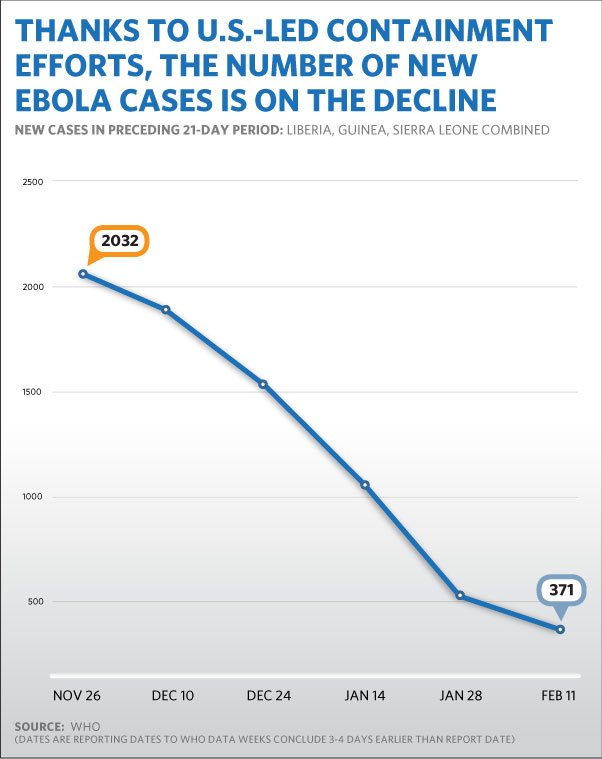
 

The White House

Office of the Press Secretary

President Obama Announces Presidential Delegation to attend the State Funeral of Former President Richard von Weizsäcker of the Federal Republic of Germany

President Barack Obama today announced the designation of a Presidential Delegation to Berlin, Germany to attend the State Funeral of Former President Richard von Weizsäcker of the Federal Republic of Germany on February 11th, 2015.

The Honorable John Emerson, U.S. Ambassador to the Federal Republic of Germany, will lead the delegation.

The White House

Office of the Press Secretary

Readout of the President's Call with President Putin of Russia

President Obama today called President Vladimir Putin of Russia to address the escalating violence in eastern Ukraine and Russia’s ongoing support for the separatists there. President Obama reiterated America’s support for the sovereignty and territorial integrity of Ukraine. President Obama underscored the rising human toll of the fighting and underscored the importance of President Putin seizing the opportunity presented by the ongoing discussions between Russia, France,  Germany, and Ukraine to reach a peaceful resolution. The President emphasized the importance of reaching and implementing a negotiated settlement underpinned by the commitments in the Minsk agreement. However, if Russia continues its aggressive actions in Ukraine, including by sending troops, weapons, and financing to support the separatists, the costs for Russia will rise.