Health Care Blog
Health Care Costs
Posted by on January 26, 2011 at 5:01 PM ESTToday, the Centers for Medicare & Medicaid Services (CMS) Actuary testified before the House Budget Committee and reiterated his views about the Affordable Care Act. His testimony reaffirmed that millions of previously uninsured Americans will gain coverage, Medicare will be stronger, and the rate of health care spending will decrease. But as we’ve noted on the blog in the past, we disagree with some of the Actuary’s other conclusions. Here’s why:
In previous analyses of the Affordable Care Act, the Actuary discounts proposals that other independent experts credit with getting at the root causes of health care cost growth. The Affordable Care Act, for example:
- Creates new, competitive state-based insurance Exchanges. Exchanges will enable individuals and small businesses to pool together and use their market strength to buy coverage at a lower cost, the same way large employers do today.
- Establishes ways for Medicare to adopt cutting-edge payment reforms, such as the new Innovation Center. These benefits will spill over to the private sector.
- Creates Accountable Care Organizations and other ways to promote value – so that patients are getting better care not just expensive care. The plan gives health care providers incentives to coordinate care to improve the quality of care as well as efficiency.
These policies will bring down health care costs, but they are undervalued by the Actuary.
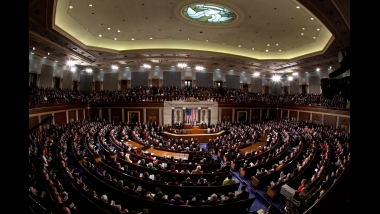
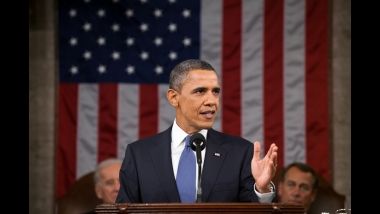
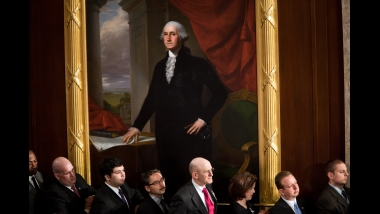
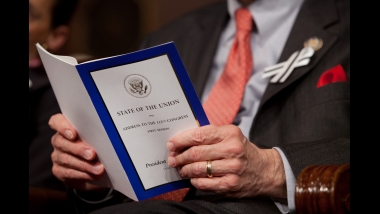
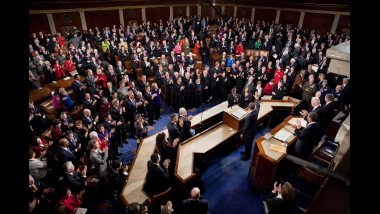
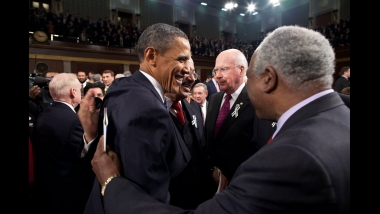
Learn more about Health CarePhoto Gallery: President Obama’s 2011 State of the Union Address
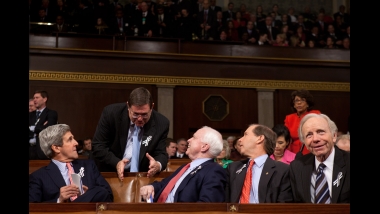
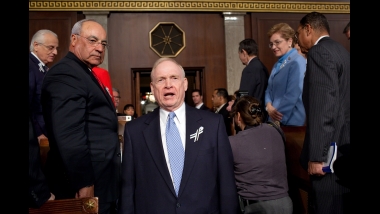
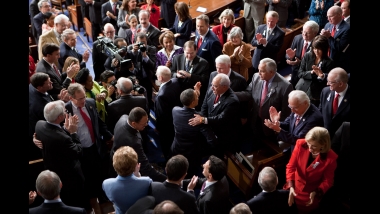
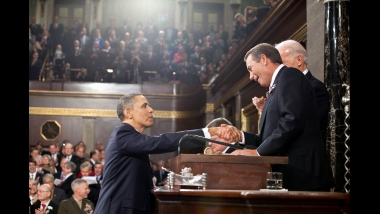
Posted by on January 26, 2011 at 3:00 PM ESTSee President Obama’s State of the Union Address in photos, thanks to the White House Photo Office:
play2011 State of the Union Address
President Barack Obama delivers his 2011 State of the Union address.
1 of 15Health Care Reform Check-Up
Posted by on January 26, 2011 at 10:35 AM ESTToday, the House Budget Committee is holding a hearing about the fiscal impacts of the Affordable Care Act (ACA), which the President signed into law last year and has already given Americans new freedoms and protections. It’s important to get the facts straight about what impact the Affordable Care Act has on our deficits and long-range fiscal situation.
Rising health care costs are the biggest driver of our long-term deficits, and getting them under control is crucial if we want to grow the economy, create jobs, compete in the world economy and win the future. The Affordable Care Act helps us achieve that goal.
As the Congressional Budget Office (CBO) made clear in a letter sent earlier this month to the Speaker of the House, repealing the Affordable Care Act would increase the budget deficit by hundreds of billions of dollars over the next decade. The CBO letter notes that “over the 2012–2021 period, the effect of H.R. 2 [the repeal of ACA] on federal deficits … is likely to be an increase in the vicinity of $230 billion.” And in the decade after that, we will save more than $1 trillion thanks to the new law.
Learn more about Fiscal Responsibility, Health CareVoices of Health Reform: Janine’s Story
Posted by on January 26, 2011 at 8:00 AM ESTEditor’s Note: This post is part of a series where readers can meet average Americans already benefiting from the health reform law, the Affordable Care Act.
Janine Marie Vaughn owns a vintage lighting restoration, manufacturing, and retail shop in Spokane, Washington. As a small business owner, she believes providing health insurance is “vital for the health of our business and the health of our employees.” And she’s committed to keeping her employees healthy. As Janine said, “We’re a small business. We care about everybody that works here.”
Janine has been in business for more than a decade and has seen her health insurance costs rise dramatically each year. She also spends a significant amount of time combing through various insurance plans to secure the best possible option for her employees, trying to compare the plans.
The Affordable Care Act is already providing immediate relief to business owners like Janine. Today, small businesses pay 18 percent more for health insurance premiums than large businesses. The Affordable Care Act changes that by providing tax credits for small businesses that offer employees health insurance. Up to 4 million small businesses could be eligible for relief from high health insurance premiums and, according to the independent Congressional Budget Office, the tax credit will save small businesses $40 billion by 2019. And small business owners like Janine are benefiting from the tax credit today.
Janine says that the Affordable Care Act has given her more peace of mind. Before it was signed into law in March 2010, she had to think hard about whether she was going to be able to even offer insurance to her employees in the future, but now, the tax credits remove that worry.
And Janine likes how the law helps consumers compare “apples to apples” when searching for insurance plans. You can see more about how the law does this on HealthCare.gov, which includes an Insurance Finder that compares details about private plans.
Listen to her story:
Stephanie Cutter is Assistant to the President for Special Projects.
Learn more about Health CareHHS Secretary Kathleen Sebelius Connects King’s Dream and the Affordable Care Act at Howard University School of Divinity Convocation
Posted by on January 25, 2011 at 6:37 PM EST“Health disparities carry a big cost for our communities and our nation,” she said. “It’s hard to concentrate on school when you’re sick. When it’s not safe for children to play or there are no facilities for them to play on, it’s hard to get exercise. When you have to walk two miles to get fresh produce but a bag of chips is right around the corner at the local store, it’s hard to eat healthy.”
Voices of Health Reform: James’s Story
Posted by on January 25, 2011 at 10:44 AM ESTEditor’s Note: This post is part of a series where readers can meet average Americans already benefiting from the health reform law, the Affordable Care Act.
James Howard from Katy, Texas was diagnosed with brain cancer in March, 2010 and later thought his lack of health insurance was a death sentence. One of his prescription drugs alone cost $10,000 a week and he had no idea how he would afford the costs of prescriptions, doctor’s visits, tests and treatments. James searched, but could not find affordable health insurance until he discovered the Pre-Existing Condition Insurance Plan. Here’s how the Pre-Existing Condition Insurance Plan works:
The Pre-Existing Condition Insurance Plan is a bridge to 2014, when the health insurance exchanges will offer people like James and small businesses a competitive marketplace where they can shop for more affordable insurance based on price and quality. In addition, in 2014, denying coverage or charging higher premiums based on a pre-existing condition will be prohibited.
But we know that people like James need immediate relief. Between now and 2014, the Pre-Existing Condition Insurance Plan offers health insurance to Americans who have been uninsured for at least six months and have a pre-existing condition or have been denied health coverage because of their health condition. Depending on where you live, the plan is operated by either your state or the Department of Health and Human Services.
James is grateful for the coverage the Pre-Existing Condition Insurance Plan offers and says that without it, he would not have been able to continue his treatments.
Tonight, you’ll be able to spot James as he watches the State of the Union address here in Washington with First Lady Michelle Obama and other Americans from across the country. You can listen to his story now:
Stephanie Cutter is Assistant to the President for Special Projects.
Learn more about Health Care





- &lsaquo previous
- …
- 125
- 126
- 127
- 128
- 129
- 130
- 131
- 132
- 133
- …
- next &rsaquo
From the Press Office
Related Videos
-
 December 13, 2016 5:04 PM
Signing Ceremony for the 21st Century Cures Act
-
 December 10, 2016 5:00 AM
Weekly Address: It’s Time to Get Covered on the Health Insurance Marketplace