Health Care Blog
Using Partnerships to Reach Into Communities
Posted by on October 27, 2014 at 9:35 AM EST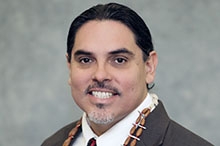
Mark LeBeau is being honored as an Affordable Care Act Champion of Change.
In California, tribal governments, tribal health programs, and the California Rural Indian Health Board (CRIHB) worked together to develop and share educational materials about the Affordable Care Act prior to its passage. Upon enactment of the ACA, CRIHB partnered with the Northwest Portland Area Indian Health Board, Oklahoma City Area Inter-Tribal Health Board, and United South and Eastern Tribes to develop tribal-specific educational materials about the legal rights of tribes and American Indian and Alaska Natives (AIANs) under the ACA. These partners each contributed funds to help make this work a reality.
This program became known as the Tribal Education and Outreach Consortium (TEOC). The people involved in this work became highly knowledgeable about the subject matter and formed a training program called TEOC University, which trained trainers to present the information to tribal communities. This was the first tribal work of this type in the United States, and the TEOC materials have been distributed throughout Indian Country.
Today, a number of federal and state offices provide these materials. Many of these materials have been reviewed and updated by CRIHB and the other members of TEOC. One of the most well-known programs we’ve helped with has been the National Indian Health Outreach and Education Initiative (NIHOE). This is a partnership between the Indian Health Service (HIS), the National Congress of American Indians, the National Indian Health Board, and representatives from each of the 12 IHS Areas. The partnership develops consumer-oriented materials to assist AIANs in understanding their opportunities under the ACA. Together, the partners provide local trainings, national marketing tools, and e-resources that clearly explain health reform changes and their impact on tribal communities. CRIHB has presented these materials to tribal governments, Indian health programs, and Indian communities and organizations.
To ensure the successful roll-out of the ACA in California, CRIHB policy staff have been meeting with state officials on a regular basis. In addition, CRIHB has reached out to the Northwest Portland Area Indian Health Board (NPAIHB) for input in developing successful implementation strategies and tactics.
These strategies and tactics were incorporated into a proposal developed by CRIHB, which was presented to the state as a necessary and fundable ACA program. Eventually, the state agreed to fund our program. As a result of this work, the Covered California Tribal Community Mobilization program was created and funded at $250,000. The grant designated funds to support implementation of the ACA AIAN provisions and to meet the tribal consultation requirements outlined in federal guidance. While this grant will end in December of 2014, I and the rest of the folks at CRIHB will continue to seek additional financial resources in order to continue to implement this important work for Indian Country.
Mark LeBeau is Executive Director at the California Rural Indian Health Board.
Learn more about Health CareThe Power of Pink: Raising Awareness for Breast Cancer
Posted by on October 15, 2014 at 7:21 PM EST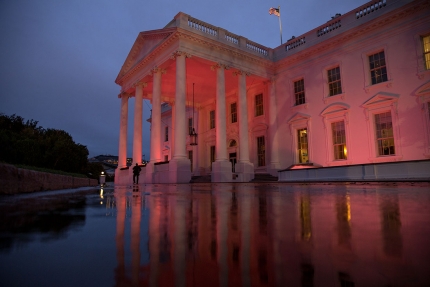
The North Portico exterior of the White House is illuminated pink in honor of Breast Cancer Awareness Month, Oct. 15, 2014. (Official White House Photo by Chuck Kennedy)
The painful reality is that whether it’s our mothers, sisters, aunts, daughters or friends, breast cancer will touch the vast majority of our lives in some way, and it is up to each of us to make sure that we, and our loved ones, remain vigilant about scheduling regular breast exams. Early detection can help save lives, which is why President Obama ensured that the Affordable Care Act provides preventive care for women without a co-pays, and why the White House is making a point again this Breast Cancer Awareness Month to elevate this issue.
Today, Dr. Jill Biden hosted a conference call with women from around the country on how the Affordable Care Act is helping to combat breast cancer. And tonight, in keeping with an annual tradition to honor Breast Cancer Awareness Month, the North Portico of the White House, as well as the Vice President’s residence at the Naval Observatory, are lit pink to honor those battling the disease, those we’ve lost, their families, and the survivors who are often the first to remind us that survival is not only possible, but highly probable for most women when the disease is detected early and addressed with proper care. Every woman is different, so it’s important to speak with your health care provider about the breast cancer screening schedule and tools that are most appropriate.
Learn more about Health Care, WomenBig Data a Big Deal for First Recipients of Biomedical Big Data Grants
Posted by on October 9, 2014 at 4:00 PM ESTIn March 2012, the Obama Administration announced the commitment of $200 million by six Federal agencies as part of the Big Data Research and Development Initiative. Earlier this year, the Administration released a report entitled Big Data: Seizing Opportunities, Preserving Values. This report outlines steps the Administration is taking to promote the benefits of Big Data while preserving values such as privacy, fairness, and self-determination.
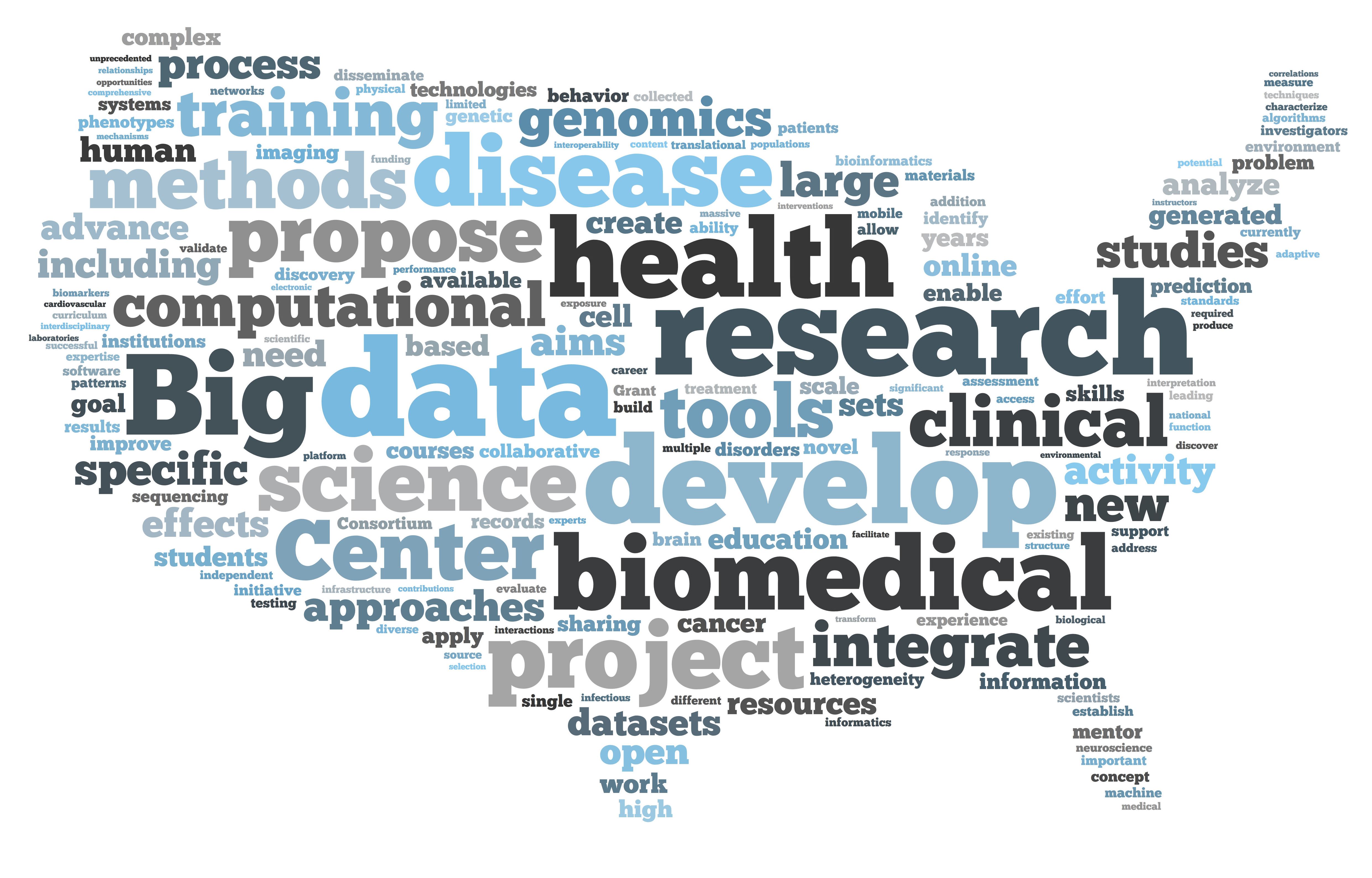
To catalyze new biomedical Big Data research, the Obama Administration and the National Institutes of Health launched the Big Data to Knowledge (BD2K) initiative in April 2013. Today, we are pleased to announce that the NIH has awarded a total of $32 million in new grants.
Learn more about Health Care, TechnologyHere Are Five Facts from the White House Report on Millennials:
Posted by on October 9, 2014 at 11:24 AM ESTToday, the Council on Economic Advisers released a new report that looks at the so-called "Millennial" generation. And while you might think that this group of Americans -- mostly in their mid-20s -- is all about smartphones and mason jars, you'd be wrong.
The report comes ahead of President Obama's visit with Los Angeles entrepreneurs, technologists, and creatives -- and it takes a close look at the trends and circumstances that have shaped Millennials. It finds a generation shaped by transformation, that came into its own in the midst of the financial crisis, but is also more diverse and educated than any other generation.
Here are some of the most interesting facts from the report:
- Millennials are now the largest, most diverse generation in the U.S.
- They're shaped by technology, value creativity, and are innovative (see, founders of Facebook, Instagram, and Tumblr).
- More Millennials are going to college, especially women. But when you couple that with rising tuition, they're also left with an ever-increasing share of the student loan debt burden.
- Thanks to the Affordable Care Act, they are much more likely to have health insurance without being job-locked.
- Millennials are moving into urban areas and they're paying rent. They're less likely to own a home during their 20s than previous generations.
So even as Millennials face new challenges, they have enormous opportunity. And President Obama is taking steps to ensure their success -- something he'll talk about more this afternoon in Los Angeles.
Five U.S. Airports Are Enacting New Screening Measures to Protect Against Ebola
Posted by on October 8, 2014 at 4:50 PM ESTToday, the Centers for Disease Control and Prevention (CDC) and the Department of Homeland Security (DHS) announced that the following five U.S. airports will soon begin enhanced Ebola screening for all travelers coming from Ebola-affected countries:
- John F. Kennedy International Airport - New York, NY
- Washington Dulles International Airport - Washington, D.C.
- Newark Liberty International Airport - Newark, NJ
- Chicago O'Hare International Airport - Chicago, IL
- Hartsfield-Jackson Atlanta International Airport - Atlanta, GA
These five airports receive more than 94% of travelers coming to the United States from the Ebola-affected nations of Guinea, Liberia, and Sierra Leone.
Learn more about , Foreign Policy, Health CarePreparing America’s Hospitals, Health Care Facilities, and Health Care Providers for Ebola
Posted by on October 7, 2014 at 5:44 PM ESTEd. note: This is cross-posted on the Centers for Disease Control and Prevention's "CDC Director Blog." See the original post here.
Since the first appearance of Ebola in West Africa earlier this year, CDC has been working to prepare the American health care system for the diagnosis and safe care of a patient with Ebola here on our shores.
We have learned immensely from this first U.S.-diagnosed case and we are implementing additional actions to make sure health care workers and hospitals around the nation are as prepared and informed as possible.
CDC is committed to making sure every U.S. health care system and health care worker is prepared for Ebola. Key is first noting if the patient exhibits symptoms consistent with Ebola, and if so, working with that patient using the most meticulous infection control procedures, and then taking a careful and complete travel history of each patient who comes in their door.
In the past three months, CDC has been in close communication with hundreds of thousands of clinicians through notices distributed through CDC’s Health Alert Network, our primary means of reaching the nation’s health care community — and one they are already very familiar with. The Ebola-related notices have included recommendations for evaluating patients, guidance for the nation’s Emergency Medical Services systems and 911 offices, and guidelines for infection control should a hospital or health care facility find themselves caring for a patient with known or suspected Ebola.
Learn more about , Foreign Policy, Health Care
- &lsaquo previous
- …
- 22
- 23
- 24
- 25
- 26
- 27
- 28
- 29
- 30
- …
- next &rsaquo
From the Press Office
Related Videos
-
 December 13, 2016 5:04 PM
Signing Ceremony for the 21st Century Cures Act
-
 December 10, 2016 5:00 AM
Weekly Address: It’s Time to Get Covered on the Health Insurance Marketplace