

Latest News
Somali Women’s Advancement in Ohio: "New Americans Initiative"
Posted by on October 30, 2014 at 1:00 PM EST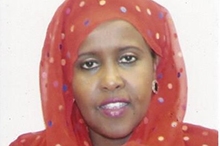
Khadra Mohamed is being honored as a Promoting Citizenship in the Workplace Champion of Change.
It would be difficult for anyone to move into a new country and re-learn everything—a new language, cultural nuances, and social environment. I arrived in Ohio in 2000 amid a large influx of Somali immigrants to the state. There were no existing community-based organizations at the time, so a group of Somali women, including myself, met to form a community service organization to facilitate the smooth integration of the Somalis into their new home. Since then, the Somali community in Ohio has gone through remarkable transformations.
The greatest needs in the community were English as Second Language (ESL) classes, employment services, and housing assistance. We established successful partnerships with existing social service organizations such as the Jewish Family Services and educational institutions including the Ohio State University. We were successful in recruiting volunteer navigators and securing funding for English classes and job placement services. We also engaged in an effort to educate local elected officials and policymakers about the needs and aspirations of our community. One of the most rewarding aspects of the work that we started was that a significant number of Somalis have become U.S. citizens and have enrolled in college.
Somalis, wherever they are, have a natural gift for entrepreneurship. Somali women are particularly skilled at successfully starting and running small businesses. They even have a unique system, known in Somali as “Ayuuto,” for raising capital for new business endeavors. Many Somalis have become U.S. citizens and have started successful businesses. Now, there are hundreds of Somali business in Columbus, Ohio alone.
This progress from a new immigrant community to locally integrated part of the Columbus fabric did not come easy. It came as a result of not only hard work by the community but also the embracing nature of the City of Columbus. Columbus Mayor Michael Coleman believes that it is not just enough to be tolerant towards diversity; it is necessary to embrace it. That is why he created the New Americans Initiative, an office that gives immigrants access to city services.
To recognize the economic and social contributions of Somalis in Ohio, I proposed to the Board of Directors of the Center for Somali Women’s Advancement that we start an annual recognition day for citizenship and entrepreneurship in Ohio on March 8—and they agreed. Now, every year, we celebrate the contributions of diverse women and call for a better society in which gender parity in politics, health, employment, family life, education, media, and culture becomes a reality.
This is a lesson for all of us that we need to take initiative and work together to accomplish real things; with this approach, we can turn brilliant ideas into impressive outcomes.
Khadra Mohamed is the President and CEO of the Center for Somali Women’s Advancement.
Learn more about ImmigrationWhy Supporting Citizenship is Good for Business
Posted by on October 30, 2014 at 1:00 PM EST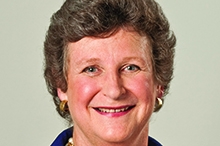
Barbara Kamm is being honored as a Promoting Citizenship in the Workplace Champion of Change.
Many of us in Silicon Valley are working to help meet the predicted workforce needs of the next decade. This includes providing better, more efficient training and education in our community colleges and universities and creating opportunities for foreign-born workers who are legal, permanent residents and eligible to apply for U.S. citizenship.
San Francisco Bay Area businesses like Tech CU are creating partnerships with organizations such as the National Immigration Forum’s New American Workforce, which assist our customers and employees with information on citizenship.
There are approximately 536,000 immigrants in the Bay Area who meet are eligible to apply for citizenship. These individuals do everything from writing code to treating patients—and they can be part of the solution that addresses the evolving needs of U.S. companies. Yet, many never take that final step towards citizenship, leaving critical benefits on the table, such as increased earnings, greater access to job opportunities, and the ability to petition for family members.
Working with local community legal service, companies like ours are hosting free citizenship seminars, where individuals receive legal assistance with their application for as little as $90. Some of the New American Workforce employer partners also host English-language training and civics courses.
Why are we so invested in our employees? It’s good for business. By providing access to citizenship guidance and legal services, we are ensuring a robust, diverse labor force dedicated to the mission of our company.
Encouraging our employees to attain citizenship strengthens the U.S. workforce and drives innovation within this country. This can lead to new developments in medicine, infrastructure, and agriculture, benefitting our economy, our country, and our world.
Barbara Kamm is President and CEO of Tech CU.
Learn more about ImmigrationFocusing on People and Partnerships are the Keys to Providing the Benefits of Citizenship to Employees
Posted by on October 30, 2014 at 1:00 PM EST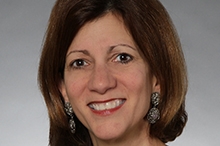
Wendy Kallergis is being honored as a Promoting Citizenship in the Workplace Champion of Change.
Nearly a century ago, at the height of the U.S. immigration boom, Bethlehem Steel became one of the first U.S. employers to begin providing free English language instruction to its immigrant workers. Today, the National Immigration Forum’s Bethlehem Project continues that mission by facilitating the citizenship of the country’s eligible immigrant workforce.
My family and I have lived in Miami for more than thirty years. Caring about the families who live in our city has always been very important to us, so it was an easy decision to help introduce South Florida to the Bethlehem Project.
With more than 500,000 employees eligible to become citizens, Miami is one of the cities with the most potential for the Bethlehem Project. The project’s goal is simple: Help eligible immigrants become citizens, which not only helps immigrant families but also businesses in South Florida.
My work is in the hospitality industry, and partnerships have always been an integral part of my strategy to build a stronger organization. In South Florida, the Bethlehem Project has worked with Baptist Health South Florida, the Miami Dolphins, and Miami Dade College. Within the hospitality industry, I’ve helped connect the Bethlehem Project with numerous hotels and resorts. As the project expands, we will continue to reach out to colleagues in other cities, like the San Francisco Hotel Council.
What we’re doing is simplifying the citizenship process: cutting back on bureaucracy, creating in-house workshops, and connecting immigrants and new citizens with employers and human resource representatives in the hospitality industry.
The benefits are crystal clear: We’re providing our industry with an expanding workforce, and we’re creating a sense of loyalty among our workers. At the same time, we’re opening doors and generating prosperity for immigrant families and our community.
Our board and our membership embraced this program, as our employees are at the heart of the hospitality industry. Being honored as a Champion of Change for my work on this project is truly an exciting and humbling recognition.
The human resources director of one of our first business partners said it best: “With this partnership, we demonstrate to our employees that we care and support their best interests as much as we care for our community.”
Wendy Kallergis is President and CEO of the Greater Miami & The Beaches Hotel Association.
Learn more about ImmigrationCitizenship in the Workplace
Posted by on October 30, 2014 at 12:59 PM EST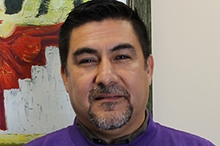
David Huerta is being honored as a Promoting Citizenship in the Workplace Champion of Change.
For centuries, this nation’s economy has been strengthened by the backbreaking work of immigrant laborers who built our infrastructure and put food on our tables. This immigrant legacy makes me proud to serve as President of SEIU United Service Workers West, a union comprising workers from all walks of life who are contributing to the prosperity of our great country.
Whether they are out in the streets demanding a living wage and decent benefits, or talking to their elected officials to stop wage theft or inappropriate police practices, immigrant workers in our union are paving the way to a better way of life for everyone in our communities. The goal is simple: provide better opportunities for our kids than what we had growing up.
We’re accomplishing that in a unique project called Building Skills Partnership, which brings together workers, employers and building owners to give immigrant workers a fair shot at career advancement and community engagement. The collaboration has allowed more than 1,000 immigrant workers to participate in English language classes, computer literacy programs, and other educational trainings.
Integrating new Americans into our communities has also been a priority. SEIU locals in California, including United Service Workers West, have partnered with Mi Familia Vota to assist over 5,400 Legal Permanent Residents with the citizenship process. Together, we’ve developed broad coalitions throughout California that have been instrumental in ensuring that California leads the way on legislation that respects and values the contributions of immigrants, such as enabling them to obtain drivers' licenses and to receive in-state tuition.
Looking back at these accomplishments, I’m truly honored to be named a “Champion of Change” for promoting citizenship in the workplace, but I think the true recognition belongs to the brave janitors and other immigrant workers across California who are working to make sure that our country builds on all of our strengths to prosper in the 21st century.
David Huerta is President of SEIU United Service Workers West.
Learn more about ImmigrationCitizenship: A New Strategy for Financial Inclusion and Inclusive Economic Growth
Posted by on October 30, 2014 at 12:59 PM EST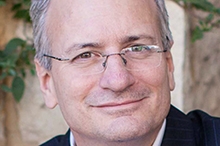
Bob Annibale is being honored as a Promoting Citizenship in the Workplace Champion of Change.
At Citi, we are focused on innovative and practical solutions to ensure that communities have access to resources and opportunities that enable them to achieve their potential and to climb up the economic ladder. Immigrants are, historically and increasingly, a dynamic part of our neighborhoods, and their financial success is directly tied to our nation’s economic growth. That is why Citi joined the mayors of Chicago, Los Angeles. and New York, as well as The Center for Popular Democracy and The National Partnership for New Americans, as the founding corporate partner of Cities for Citizenship.
Cities for Citizenship is a major national initiative that recognizes the contribution of immigrants and how citizenship can serve as an economic asset. It aims to increase citizenship among eligible U.S. permanent residents, as well as encourage cities across the country to invest in citizenship and financial capability programs.
On behalf of Citi, I am honored to be named as a Champion of Change by the White House. But I must share this recognition with all of my coworkers at Citi and with our partners who have provided critical national leadership, especially Mayor Bill de Blasio, Mayor Rahm Emanuel, and Mayor Eric Garcetti.
Our shared goal is to increase access to legal and financial services and contribute to enabling more inclusive cities across the country. Through this program, cities and their community partners will deliver financial counseling, legal support, application guidance, naturalization test preparation, and other assistance to eligible immigrants.
This initiative and partnership will enable immigrants to build a valuable financial identity as they also pursue a national identity. This is critical since the Federal Deposit Insurance Corporation reports that about 20 percent of foreign-born households have never had a bank account, which has driven immigrants to use alternative financial services that often come with higher costs and risks. Instead, Cities for Citizenship aims to build a stronger foundation for the American Dream.
Moreover, it is a strategy that makes good economic sense.
There are approximately 8.8 million legal permanent residents in America who are eligible for citizenship. These are documented residents who pay taxes and work lawfully. Yet, 52 percent of them remain low-income. Their naturalization would provide access to better-paying jobs, academic scholarships, and other benefits. It would also provide billions of dollars in stimulus to the national economy over the next few years.
This would mean up to $1.6 billion for Chicago’s economy, $2.8 billion for the Los Angeles economy, and a $4.1 billion boost for New York City’s economy, according to the report “Citizenship: A Wise Investment for Cities.”
Cities for Citizenship considers citizenship and immigrant integration as powerful platforms to promote widespread financial inclusion and truly inclusive economic growth. We are excited to work with more municipalities on this project and share the collective efforts of our partners with The White House.
Bob Annibale is the Global Director of Citi Community Development, which leads Citi's initiatives and partnerships supporting inclusive finance.
Learn more about ImmigrationAlleviating the Burden of Circumstance
Posted by on October 27, 2014 at 9:35 AM EST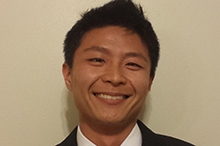
Peter Yang is being honored as an Affordable Care Act Champion of Change.
I believe that we are all products not only of our choices but also of our circumstances. There is a surprisingly prevalent misconception that people in adverse situations somehow deserve the hardships they face. Working in my community in Georgia, I’ve come to regard that idea as severely misguided; I have met so many hardworking individuals who, despite their best efforts, are trapped in a socioeconomic pit that they cannot dig themselves out of.
I first became involved in my community as an undergraduate at Emory University, when I saw the incredible impact of volunteerism in the surrounding community. During this time, I met many of the leaders and visionaries of the Asian American community in Georgia. Inspired by these individuals, upon graduation, I moved on to work at the Center for Pan Asian Community Services, where I was tasked with outreach for the Affordable Care Act during the first period of Open Enrollment. Prior to this work, my sole experience with the Affordable Care Act had been learning about its intricacies in a classroom setting. As I learned more about the program and its effect on the communities we serve, I began to see the law as a huge step in the right direction to improve the lives of the individuals that struggled with adverse circumstances.
Adequate access to health care is an essential part of human society. Some would even argue that it is a human right. Yet, the United States is severely behind the majority of other developed countries in providing that access. Georgia is home to one of the fastest growing populations of immigrants and refugees, and these individuals often lack adequate health insurance coverage. The more I worked with these individuals, the more I saw the human beings whose lives were impacted by the ACA.
The law has been successful thus far, but we still have more work to do. I am deeply honored to be selected as a Champion of Change but also just as honored that I have had the opportunity to serve these communities by promoting the Affordable Care Act.
Peter Yang is the Affordable Care Act Program Coordinator at the Center for Pan Asian Community Services.
Learn more about Health CareYou Too Can Make a Difference
Posted by on October 27, 2014 at 9:35 AM EST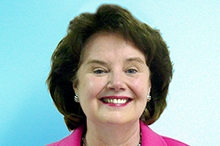
Pat Halpin-Murphy is being honored as an Affordable Care Act Champion of Change.
I am truly grateful to have been selected as a White House Champion of Change. I can’t tell you how much it means to me to be honored with this award.
As the President and Founder of the Pennsylvania Breast Cancer Coalition (PBCC), I lead a non-profit organization dedicated to finding a cure for breast cancer now so that our daughters won’t have to. I’m a breast cancer survivor, and twenty-five years ago when I was diagnosed I found that there wasn’t an organization in Pennsylvania dedicated to supporting women and families facing breast cancer. I founded the PBCC in 1993 to fill this void. In our twenty-year history, the PBCC has paved the way for countless legislative victories that support women and families across the state.
The best part of my work is talking to women about their experience with breast cancer and finding out what we can do to help meet their needs. For instance, we learned that many women were diagnosed with breast cancer in late stages because they have dense breast tissue. Upon learning this, we didn’t just sit by and wait for something to be done. Rather, we sprang into action and convinced Pennsylvania State Senator Bob Mensch to introduce legislation to help women with dense breast tissue receive improved information and screening so that they could be diagnosed at an earlier stage.
I believe that we all have the capacity to make a difference in our communities. Former U.S. Senator Harris Wofford made a tremendous impression on me as a leader. He recognized that each person has so much to contribute if only given the opportunity. He listened to people’s ideas and encouraged them to make those ideas become realities. Senator Wofford believed that everyone could contribute to their community. I truly believe that we can all make a difference. That’s the best part of this work. I’ve come to realize that, by simply standing up and taking action, we can all be “Champions of Change.”
Pat Halpin-Murphy is the President and Founder of the PA Breast Cancer Coalition.
Learn more about Health CareConnecting Muslims to Coverage
Posted by on October 27, 2014 at 9:35 AM EST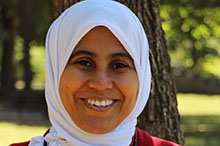
Khadija Gurnah is being honored as an Affordable Care Act Champion of Change.
There are a number of cultural, language, and financial barriers that prevent the traditional government messaging and resource dissemination strategies from reaching the Muslim community. These barriers vary greatly with each local community, as Muslim Americans represent diverse socioeconomic strata, immigration statuses, cultures, ethnicities, languages, histories, and religious approaches and interpretations. Assistance that is tailored to these diverse needs is critical to any effective public health initiative in the Muslim community.
American Muslim Health Professionals (AMHP) is a national, non-profit organization of American Muslims in health professions. During the last period of Open Enrollment, our goal was to cater to the needs of the uninsured Muslim population by promoting awareness of the benefits of the Affordable Care Act.
To achieve this, we had a two-pronged approach to outreach. At a grassroots level, we implemented enrollment campaigns in individual states. At a national level, we served as a resource for information and coordinated National Muslim Enrollment Weekend with a coalition of Muslim organizations.
At a grassroots level, we recruited “Community Liaisons” in seven states. The liaisons worked with their local faith communities to host enrollment and outreach events. We recognized that our communities needed cultural ambassadors to encourage their local faith communities to host events. Our most effective cultural ambassadors were recent graduates from health fields. They were excited, passionate, and well-established within their communities. AMHP also supported volunteers and partner organizations across the nation by connecting them with local Navigators and providing resources such as event planning guides, outreach materials tailored to Muslim communities, flyers, sign-up sheets, and a Jumah Khutba guide for imams to discuss the Affordable Care Act during sermons.
We established a clear tracking plan to help us keep metrics on outreach. We sent out a very simple form to anyone who planned to host an enrollment event. We also followed up afterward with another form. The form tracked attendance and enrollment and included a thank you to everyone for their time and commitment. We used the tracking form to update an online events page that allowed people to find enrollment events in their area.
We were also part of a national coalition of Muslim organizations that facilitated national Muslim Enrollment weekend. Together, we rolled out the first national health campaign targeting the Muslim community. We partnered with amazing facilitators at Get Covered America and the Department of Health and Human Services’ Office of Faith-Based and Neighborhood Partnerships to reach as many Muslim Americans as possible.
We were met with overwhelming support from the Muslim community. Over the course of the enrollment period, we made contact with 27,116 people and enrolled 1,662 people in high-quality, affordable health insurance plans.
As we prepare for the next enrollment period, we are looking forward to building upon our existing infrastructure to reach new communities across the nation. It is an honor to be part of this moment in our nation’s history and to help address the needs of our nation’s uninsured.
Khadija Gurnah is the Program Manager for the American Muslim Health Professionals’ Affordable Care Act outreach and enrollment efforts.
Learn more about Health Care
- &lsaquo previous
- …
- 15
- 16
- 17
- 18
- 19
- 20
- 21
- 22
- 23
- …
- next &rsaquo
Twitter