
Energy and Environment Latest News
The President’s Plan to Reduce Carbon Pollution: Myths v. Reality
Posted by on June 26, 2013 at 3:00 PM EDTYesterday, at Georgetown University, President Obama laid out his Administration’s broad-based plan to cut carbon pollution and meet the climate change challenge.
It’s a plan that starts with responsibility. While no single step can reverse the effects of climate change, President Obama believes we have a moral obligation to future generations to do what we can. After all, this is no longer a distant threat – we are already feeling the impacts now.
The 12 hottest years on record have all come in the last 15 years. Asthma rates have doubled in the past 30 years and our children will suffer more asthma attacks as air pollution gets worse. And increasing floods, heat waves, and droughts have taken a toll on our nation’s farmers, which is raising food prices. These changes come with far-reaching consequences and real economic costs. Last year alone, there were more than 11 different weather and climate disaster events with estimated losses exceeding $1 billion each across the United States.
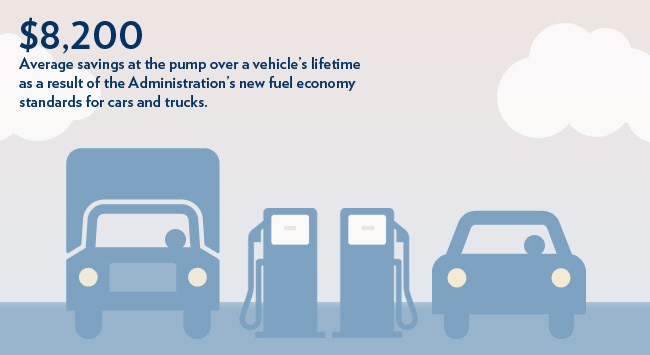
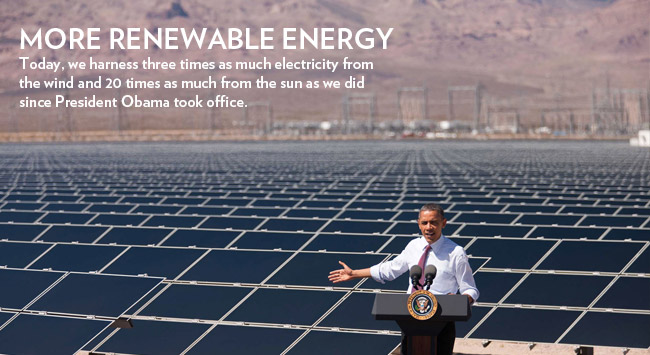
During President Obama’s first term, we took a number of important steps to reduce carbon pollution and spark innovation in cleaner forms of energy. For example, we doubled our use of renewable electricity from wind, solar, and geothermal sources and set the toughest fuel efficiency standards in American history. Thanks in part to these actions, in 2012, U.S. carbon pollution from the energy sector fell to the lowest level in nearly 20 years. To build on this progress, the President’s Climate Action Plan has three pillars: cut carbon pollution in America; prepare the United States for climate impacts; and lead international efforts to combat global climate change.
Now, we’re already seeing many Republicans and some of the nation’s biggest polluters attack the President’s plan. And they’re recycling the same tired and empty arguments that we’ve heard time and time again. To separate fact from fiction, let’s dig a little deeper and compare their rhetoric with the reality.
Claim #1:
Reducing carbon pollution will hurt the economy and cost jobs.
FACT:
Over the last four decades, we have reduced common pollutants by more than half and have doubled economic output.
Our own history shows us that we can protect our environment, reduce harmful pollution, and promote economic growth all at the same time. And the numbers speak for themselves: between 1970 and 2011, aggregate emissions of common air pollutants dropped 68 percent, while the U.S. gross domestic product grew 212 percent. Private sector jobs increased by 88 percent during the same period.
What’s even worse about this claim is that it suggests a lack of faith in American businesses to innovate. When we banned cancer-causing chemicals in our toys, and leaded fuel in our cars, it didn’t end the plastics industry or the oil industry; American chemists came up with better, cheaper substitutes. When we phased out chlorofluorocarbons – the gases that depleted the ozone layer – it didn’t kill off refrigerators and air conditioners; American workers built better ones.
The bottom line is that we don’t have to choose between the health of our children and the health of our economy. Those goals go hand in hand. And by taking action to reduce carbon pollution, we can spark new jobs and industries building cleaner and more efficient American-made energy technologies.
Learn more about Energy and EnvironmentState-by-State Reports: President Obama's Plan to Cut Carbon Pollution and Prepare for Consequences of Climate Change
Posted by on June 26, 2013 at 1:00 PM EDTEd. note: Find the latest state-by-state reports about the impacts of extreme weather and carbon pollution here.
On Tuesday, President Obama laid out his comprehensive plan to cut carbon pollution, prepare our country for the impacts of climate change, and lead global efforts to fight it.
Climate change impacts -- ranging from more frequent and severe storms, floods, heat waves, and wildfires, to increased risk of asthma attacks and longer allergy seasons -- are already affecting our security, our economy, and our communities. In 2012 alone, the cost of weather disasters exceeded $110 billion in the United States, and climate change will only increase the frequency and intensity of these events. Today, we already set limits for arsenic, mercury and lead, but we impose no limits on how much carbon pollution our power plants release-- despite the fact carbon pollution is one of the largest drivers of climate change.
As the President explained yesterday, we have a moral obligation to leave our children a planet that’s not polluted or damaged, and by taking an all-of-the-above approach to develop homegrown energy and steady, responsible steps to cut carbon pollution, we can begin to slow the effects of climate change so we leave a cleaner, more stable environment for future generations. The President’s plan is a comprehensive approach to cutting the pollution that causes climate change and threatens public health, setting us on a path to make our communities healthier, safer, and more resilient.
The state-by-state reports below detail some of the impacts of extreme weather and pollution across the country, and underscore the importance of acting now to cut carbon pollution and protect the health of our communities.
Learn more about Energy and EnvironmentThe President's Action Plan to Fight Climate Change
Posted by on June 26, 2013 at 11:29 AM EDTYesterday, in a 45-minute speech at Georgetown University, President Obama laid out a comprehensive plan to reduce greenhouse gas pollution in America, prepare our country for the impacts of climate change, and lead global efforts to fight it. The Plan is a recognition that climate change is unequivocal, its primary cause is greenhouse gas pollution from burning fossil fuels, and it is threatening the health of our communities, families, and economy. In his remarks, President Obama said “the question is not whether we need to act… the question now is whether we will have the courage to act before it’s too late.”
Learn more about Energy and EnvironmentResponsibility to Future Generations: Renewable Energy Development on Tribal Lands
Posted by on June 25, 2013 at 6:18 PM EDTToday, the President announced his comprehensive plan to cut the carbon pollution that is changing our climate and affecting public health. Reducing carbon pollution will keep our air and water clean and safe for our kids and grandkids. It will also create jobs in the industries of the future as we modernize our power plants to produce cleaner forms of American-made energy that reduce our dependence on foreign oil. And it will lower home energy bills and begin to slow the effects of climate change.
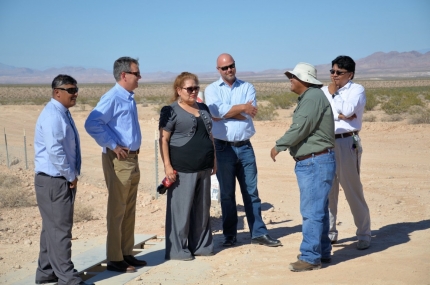
David Agnew, Director of the White House Office of Intergovernmental Affairs, meets with leaders of the Moapa Band of Paiute Indians and the Moapa Solar Project. (by Eric Lee)
While no single step can reverse the effects of climate change, we need to begin preparing to leave a safe and clean planet to our children. Last weekend, in the desert northeast of Las Vegas, Nevada, I had the privilege of visiting a project that is already working to meet the challenges laid out today in the President's Climate Action Plan. The intense desert heat and bright sun made it crystal clear to anyone who stepped outside that this location has plenty of solar energy to harness.
The Moapa Solar Project, on the Moapa River Indian Reservation, is a 350 megawatt solar energy project that will help power over 100,000 homes and generate 400 jobs at peak construction. The Moapa Paiute tribe has set aside approximately 2,000 acres of their 72,000 acre Reservation for the project, including some acreage to ensure a protected habitat for the endangered desert tortoises living near the project. A commitment to protect their tribal homelands from the effects of existing power sources led this tribe to gain approval from the Secretary of the Interior in 2012 for construction of the first utility-scale solar project on tribal lands. As part of the President's all-of-the-above energy strategy, the Moapa Solar project will help reduce our dependence on foreign oil while creating good jobs in the heart of Indian Country - jobs that can’t be shipped overseas.
Learn more about Energy and EnvironmentPresident Obama's Plan to Cut Carbon Pollution and Address Climate Change
Posted by on June 25, 2013 at 6:15 PM EDTToday, in a speech at Georgetown University, President Obama laid out his comprehensive plan to reduce carbon pollution, prepare our country for the impacts of climate change, and lead global efforts to fight it. Watch his speech, and check out the infographic below to learn more about the plan.

Read his remarks here, or learn more about his plan here.
Learn more about Energy and EnvironmentFourth Graders Power Their Classroom with Solar Energy
Posted by on June 24, 2013 at 12:30 PM EDTEd. note: This is cross-posted from Energy.gov. See the original post here.
A group of fourth graders in Durham, North Carolina, are showing America the way to a clean energy future.
After learning all about solar and other energy sources, Aaron Sebens -- a teacher at Central Park School for Children -- and his fourth grade class came up with a bold idea: make their classroom solar-powered.
The video above documents the students’ journey from idea to reality -- leading up to a celebratory party where Aaron and his students officially “flip-the-switch” on their solar-powered classroom. To fund the project, Aaron’s class launched a crowd-funding campaign that garnered support across America and around the world. The students originally hoped to raise $800 but significantly beat expectations -- raising more than $5,000.
Learn more about Energy and Environment

- &lsaquo previous
- …
- 54
- 55
- 56
- 57
- 58
- 59
- 60
- 61
- 62
- …
- next &rsaquo
Related Videos
-
 May 09, 2014 9:21 AM
Inside the White House: Solar Panels
-
 September 01, 2016 9:25 PM
President Obama Delivers a Statement to the Press
White House Blogs
- The White House Blog
- Middle Class Task Force
- Council of Economic Advisers
- Council on Environmental Quality
- Council on Women and Girls
- Office of Intergovernmental Affairs
- Office of Management and Budget
- Office of Public Engagement
- Office of Science & Tech Policy
- Office of Urban Affairs
- Open Government
- Faith and Neighborhood Partnerships
- Social Innovation and Civic Participation
- US Trade Representative
- Office National Drug Control Policy