

Latest News
Let’s Move! In Indian Country – Tell Us Your Stories
Posted by on April 16, 2012 at 3:10 PM ESTSince coming into the White House, First Lady Michelle Obama has made the promotion of a healthier America one of her primary goals. Through her Let’s Move! initiative, the First Lady has dedicated her time to solving the challenge of childhood obesity within a generation, so that children born today will grow up healthier and able to pursue their dreams. May of 2012 will mark the one year anniversary of Let’s Move! In Indian Country which brings together federal agencies, local communities, nonprofits, corporate partners, and tribes in order to end the epidemic of childhood obesity in Indian Country within a generation.
Learn more about , , Foreign PolicyPreserving Our Natural Resources for the Future
Posted by on April 13, 2012 at 12:16 PM EST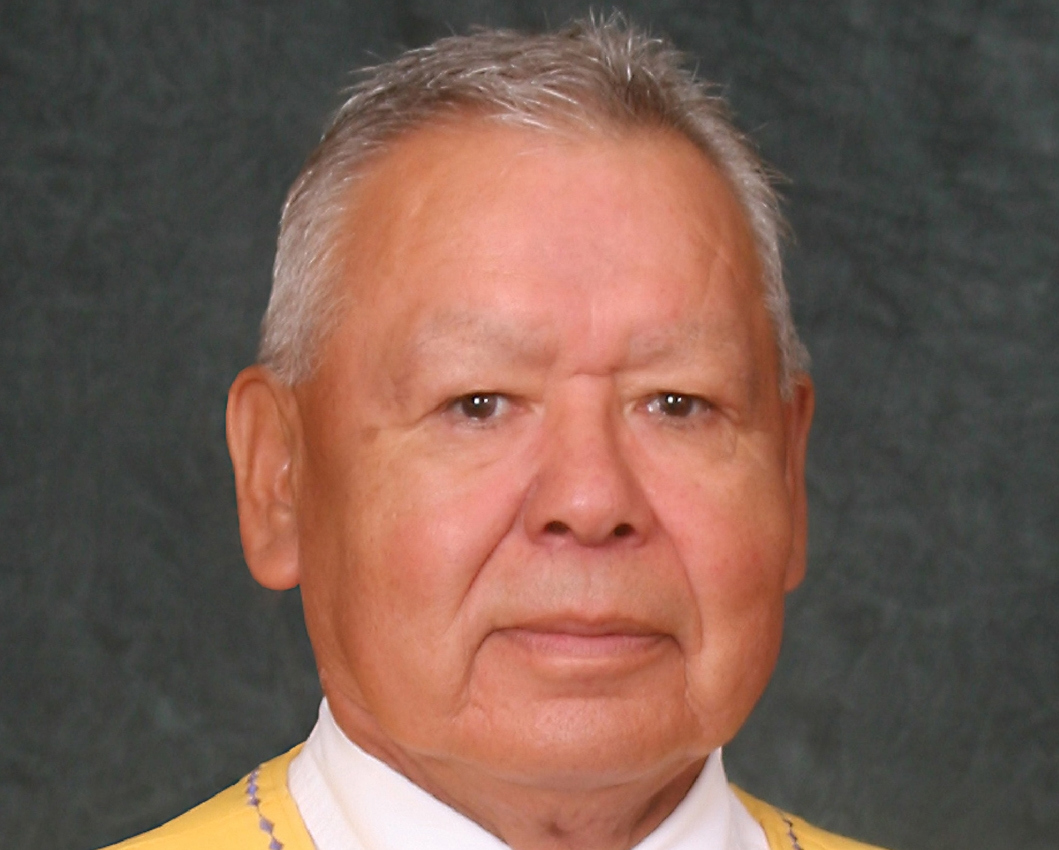
Harold "Gus" Frank is being recognized as a Champion of Change for his work demonstrating that corporate environmental leadership makes sense, both for business and for American communities.
The Forest County Potawatomi Community (”FCPC” or the “Tribe”) is guided by a fundamental belief in protecting Mother Earth and ensuring that future generations will have access to clean air, water and land. This philosophy has led FCPC to become an environmentally proactive tribe and take a pragmatic approach to ecological stewardship.
Over the past several years, FCPC has implemented a number of energy efficiency initiatives to significantly lower its energy usage and reduce its carbon emissions. Since 2007, the Tribe has reduced its energy usage per gross square foot by 12 percent and reduced their corresponding carbon emissions by more than 20 percent. These efficiencies have significantly lowered both the Tribe’s energy costs and its environmental footprint. It has eliminated more than 14,400 tons of emitted carbon dioxide per year, equivalent to the annual greenhouse gas emissions from 2,560 passenger vehicles, or the CO2 emissions from the electricity use of 1,630 homes for one year.
Secretary Bryson Promotes American Businesses Across the Americas at White House Conference
Posted by on April 13, 2012 at 8:33 AM ESTEd Note: This cross-post originally appeard on the Commerce.gov blog.
Earlier today, Secretary Bryson delivered welcoming remarks at the “White House Conference on Connecting the Americas.” The all-day conference brings together business and community leaders from across the country with Administration officials working to expand opportunities for American businesses and people throughout the Americas.
The conference also serves as a forum for the Hispanic community, with cultural and economic ties to the rest of the Americas, to further identify ways in which they can partner up with the administration to promote economic growth and prosperity.
Learn more about Economy, Foreign PolicySustainable Farming for Global and National Food Security
Posted by on April 12, 2012 at 11:14 AM EST
Chad and Jodi Ray are being recognized as Champions of Change for their work demonstrating that corporate environmental leadership makes sense, both for business and for American communities.
You want children and their parents to value the family farm lifestyle and farmers? We must educate, educate, and educate some more why sustainable farming is so important to our world food supply.
Ray Family Farms of Bunn, NC markets their products directly to the consumer. We produce Animal Welfare Approved beef, pork and eggs. We also grow vegetables and raise poultry. The only family farmer poultry processor in our state is not AWA approved -- that is the only reason our poultry is not. We raise delicious, healthy, and nutritious food from “conception to consumption.” Other than animal welfare, our farm is very committed to educating our customers and community, promoting environmental stewardship, and utilizing wildlife enhanced farmland.
The history of our family’s roots here in Franklin County, NC are as deep as a 200’ pine tree. The history of our farm however is not. It is less than 35 years old. Our parents' generation was really the first to ever accumulate land assets. We come from a long line of “dirt” farmers -- dirt farmers were all the people around here who lived off the land. All of their income and the food they ate came from the patch of land they were working. Most of the time that involved working other peoples' land -- sharecropping. My mother and her family moved 14 times in 16 years while she grew up as a sharecropper. Our parents will leave us our farm that was purchased in our lifetime. That is a very powerful responsibility knowing our ancestors worked hundreds of years to give us the opportunity to make something great out of a farm handed down to us.
Creating Sustainable Practices that Change the Way the World Does Business
Posted by on April 12, 2012 at 11:07 AM EST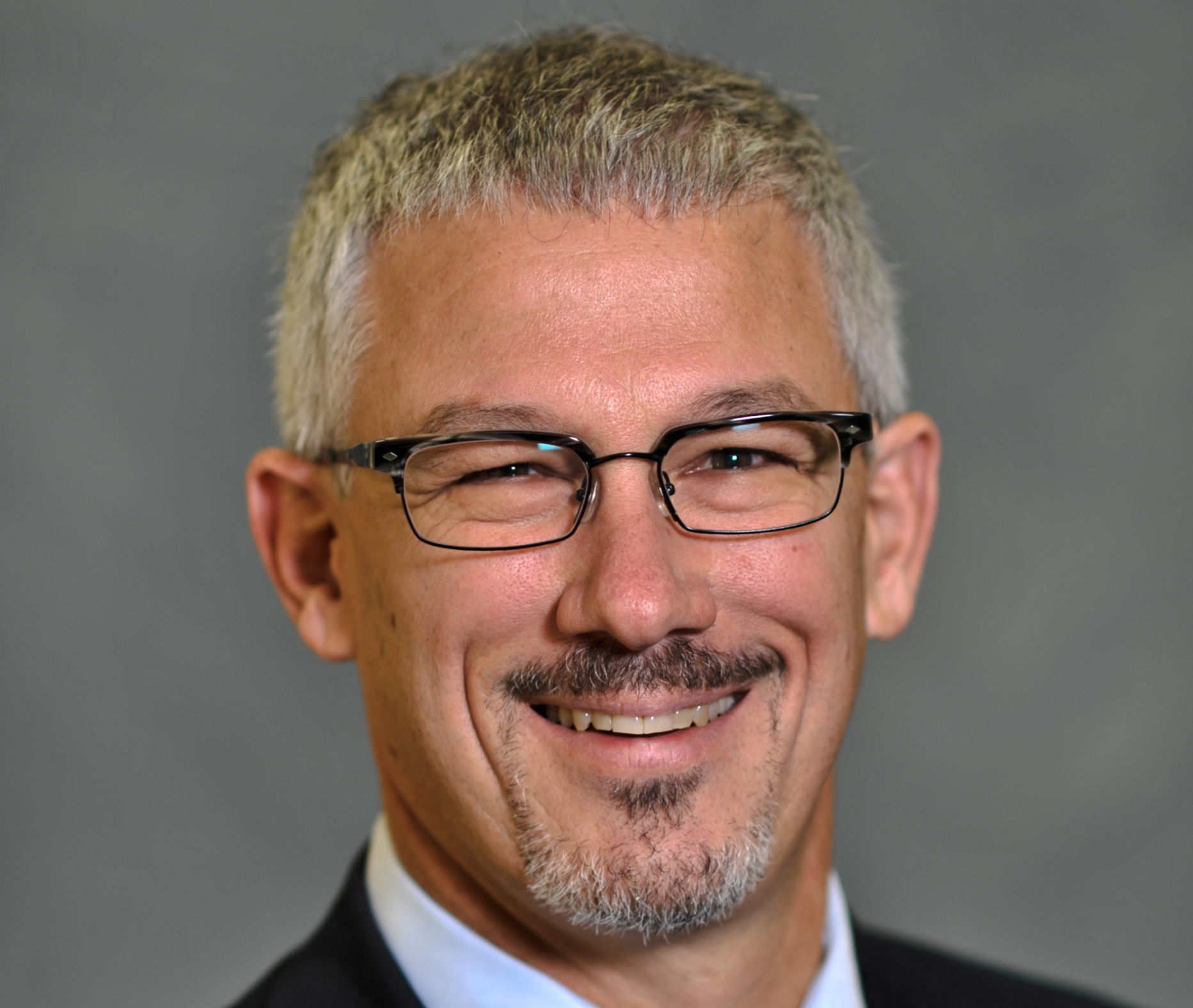
Frank Hugelmeyer is being recognized as a Champion of Change for their work demonstrating that corporate environmental leadership makes sense, both for business and for American communities.
This award is a great honor for the Outdoor Industry Association (OIA) Sustainability Working Group as well as for the outdoor industry as a whole. The OIA Sustainability Working Group (SWG) is comprised of outdoor apparel, footwear and gear companies — large and small — that are working together to establish leading business practices in environmental and social responsibility.
Outdoor industry companies have been quietly plugging away on this work for years, recognizing that an internal focus on improving practices and performance within their supply chains would provide the most significant opportunity for scalable, measurable change. Today the work of the OIA SWG includes establishing responsible chemicals management practices, improving materials traceability methods, and addressing social responsibility and fair labor challenges.
One of the group’s most notable accomplishments is creation of the OIA Eco Index, an open-source shared product sustainability indexing tool that OIA member companies began developing in 2007. In 2011, the Sustainable Apparel Coalition — a broader group of companies representing approximately 30 percent of the global apparel and footwear supply chains — adopted and expanded this tool so brands, retailers and suppliers worldwide would have a standardized, credible framework and language to assess the sustainability of their products.
The Synergy of Core Values and a Robust Bottom Line
Posted by on April 12, 2012 at 11:03 AM EST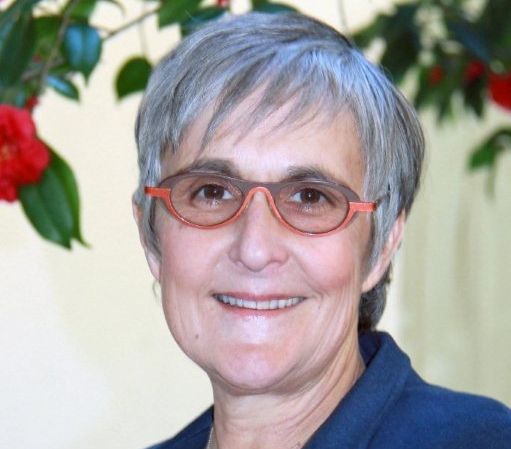
Karen Trilevsky is being recognized as a Champion of Change for her work demonstrating that corporate environmental leadership makes sense, both for business and for American communities.
I am an entrepreneur, who happens to run a successful bakery. It is a great honor to be recognized as a Champion of Change for Corporate Sustainability, especially given the current business and economic climate in our country. With this recognition, it’s my hope that more business leaders embrace the synergy and benefits of leading your business from a set of core values and more consumers demand values-driven products and services.
Like most start ups, I began my baking business with very few bankable resources: vision, passion and copious amounts of sweat equity. The baking day began at 3 p.m. in a shared kitchen and ended at 2 a.m. when the dilapidated pickup truck was loaded and deliveries began. By 10 a.m. the last delivery was made, new orders taken, supplies ordered and I was able to grab a few hours of sleep in the restaurant’s stock room. We grew slowly. Yet, by 1995 we were providing fresh baked natural pastries to more than 600 accounts seven days a week. Today we are a proud team of 240 people, baking in a state-of-the-art facility and making our products available nationwide at more than 12,000 locations.
Greener Workplaces: "A Win-Win for All"
Posted by on April 12, 2012 at 10:57 AM EST
Jim Clark is being recognized as a Champion of Change for his work demonstrating that corporate environmental leadership makes sense, both for business and for American communities.
I started working in manufacturing directly out of high school. I believe manufacturing is the backbone of our economy. Our country needs manufacturing to be strong. That’s why, as president of IUE-CWA, the Industrial Division of the Communications Workers of America, I have made it my mission to bring innovative and progressive programs to our shop floors – programs that make our plants more competitive and more efficient.
IUE-CWA has been involved in green jobs work for about five years. Our focus is not only on green products but on greening the process. As part of that goal last year we entered into a groundbreaking partnership with the Environmental Defense Fund. It is the first time EDF has partnered with a trade union. We launched a pilot program to train front line workers to conduct energy efficiency treasure hunts. They analyze energy use in the building and the production process, identify waste and come up with solutions.
Good Environmental Management Makes Good Business Sense
Posted by on April 12, 2012 at 10:39 AM EST
Wayne Balta is being recognized as a Champion of Change for his work demonstrating that corporate environmental leadership makes sense, both for business and for American communities.
The popularity of environmental sustainability has exploded in recent years. It is implanted in the minds of leaders no matter what aspect of business, government or society they serve. But to be realistic, it hasn’t always been this way. The broad popularity of environmental sustainability has been cyclical since the first Earth Day back in 1970. If the sustainability of our planet is indeed a future imperative, a relevant question for any organization is, how do you sustain sustainability over the long term?
At IBM, environmental leadership has been practiced regardless of its popularity or the company’s financial performance at any given point in time. Environmental sustainability is managed as a strategic imperative. We work to anticipate opportunities and prevent problems. Underlying this commitment is a conviction that good environmental management makes good business sense.
- &lsaquo previous
- …
- 140
- 141
- 142
- 143
- 144
- 145
- 146
- 147
- 148
- …
- next &rsaquo
Twitter