

Latest News
Recipe in Spotlight - Kosher for Passover Brownies
Posted by on March 30, 2012 at 2:54 PM ESTEditor's note: This post is part of a series spotlighting different family recipes used by members of the White House staff for Passover.
This Passover recipe comes from my mom. When I was a little kid, I had these Passover brownies at a friend's house. I liked them so much that I had my mom call my friend's mom to get the recipe. She has been making them every year for me since. They are so delicious I would even eat them not on Passover.
Learn more about Additional IssuesLatina Leader Reflects on the Privilege to Serve
Posted by on March 30, 2012 at 8:06 AM ESTDuring National Women’s History Month, I am inspired to reflect on the way President Obama has empowered women by appointing them to serve at all levels in his Administration. As Deputy Administrator of the National Telecommunications and Information Administration (NTIA), one of the most rewarding parts of my job is seeing how NTIA’s efforts to increase broadband Internet access and adoption are transforming lives across America. Closing America’s digital divide, a priority for the Obama Administration, is vital to our global competitiveness. NTIA’s research shows that 68 percent of U.S. households subscribe to broadband, meaning that nearly one-third homes are cut off from many economic and educational opportunities. This is even greater in the Latino community, where only 57 percent of households have broadband. By comparison, other research finds that the household broadband adoption rate in South Korea tops 90 percent. For America to thrive in the 21st century economy, our people must be skilled in the tools of the information age.
Thanks to the Recovery Act, NTIA is overseeing approximately 230 projects that are building broadband infrastructure, expanding public computer centers, and training Americans in the skills needed for today’s jobs. I’ve visited many of these projects, meeting adults who are re-entering the workforce after taking computer classes, students who are benefitting from distance learning, and small business owners who are eager to use new broadband connectivity or training to reach more customers.
In San Francisco, for example, I have visited the Latino Tech-Net Initiative, supported by a grant NTIA awarded to the Mission Economic Development Agency. This initiative is providing computer centers in 11 cities with equipment, software, and training -- such as programs on e-commerce and online marketing -- to help Latino entrepreneurs and small businesses take advantage of technology to compete better in the global economy.
In Puerto Rico, I have met with business leaders from two of our grant projects that are bringing much-needed broadband infrastructure to the area. These projects expect to bring new or improved high-speed Internet service to nearly 2,000 community anchor institutions, including more than 1,500 schools, and will lay the groundwork for long-term economic growth.
Broadband also is key to addressing other pressing challenges, such as improving communications for America’s first responders. Just last month, President Obama signed legislation to create a nationwide interoperable broadband network that will help police, firefighters, and other public safety workers to stay safe and protect our communities. The law entrusts NTIA with some of the implementation responsibilities, and we are both humbled and privileged to support this important initiative.
Missions like these make public service fulfilling. As the Internet and technology grow in importance to society, so does the need for forward-looking approaches to bring these benefits to more Americans, keep our country competitive, and preserve an open, interconnected global Internet that fuels continued innovation and economic growth. NTIA, which advises the President on telecommunications and Internet policy, is at the forefront of addressing these challenges. As a Latina leader, I feel privileged to serve the American people.
Anna M. Gomez is the Deputy Assistant Secretary for Communications and Information and Deputy Administrator for the National Telecommunications and Information Administration (NTIA).
Learn more about Technology, WomenA Model for Tomorrow: Empowering Successful Students and Productive Communities
Posted by on March 29, 2012 at 11:23 AM EST
Quoted in a Denver Post article, Nita Gonzales "was raised to work for a more just and humane world, to embrace my culture, language, and historical identity, to act in a principled and honorable way."
As a long time activist for Raza human rights, which included participation in Crusade for Justice, a Chicano/Mexicano civil rights organization started by my father, activist and community leader Rodolfo "Corky" Gonzales, I have come to realize change comes through the power of people willing to stand for justice . Since the mid-eighties, I have been the President/CEO of Escuela Tlatelolco Centro de Estudios. A private community school in northwest Denver, Escuela Tlatelolco caters to Chicano/Mexicano students through a foundation of cultural pride and self-esteem, so "these young people [can] obtain an education that [will] help them go on to become successful adults who would benefit the community in return."
Concerned that Chicano and Mexicano students were consistently lagging behind other students in the public school system, Corky Gonzales with the collaboration of other Crusade parent activists sought to create an educational model that promoted academic excellence and achievement, instilled cultural pride and inspired students to become leaders in their community.
Inspiring Hope: One Story Makes All the Difference
Posted by on March 29, 2012 at 11:20 AM EST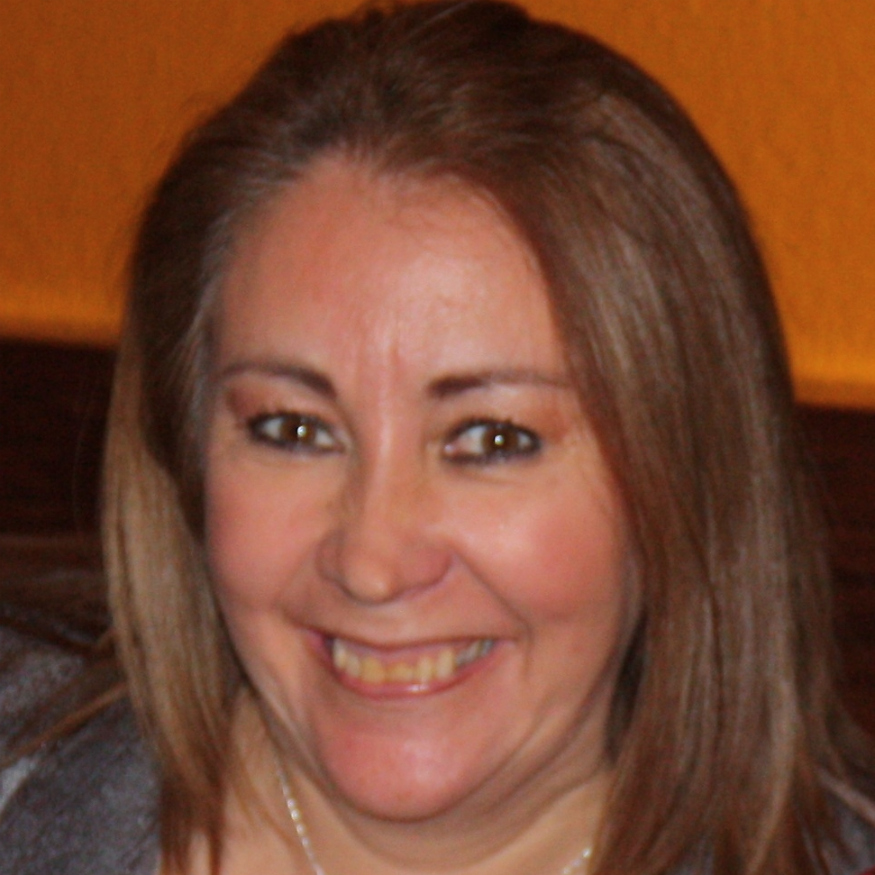
I am a single mother from Reno, Nevada. I began volunteering with the alliance in 2009. In late 2009, I began organizing “house parties,” or gatherings, at local venues. The purpose of these gatherings was to bring together community members to discuss social justice issues. Over time, it was clear that the majority of the participants at my house parties were single moms. Many of these women began sharing the challenges that they and their children encountered in our health care system, and the conversation often turned to the Affordable Care Act and the relief that it would bring to them and their loved ones.
News of the house parties traveled fast, and it wasn’t long before I was surrounded by a core group of single moms who were eager to advocate for their families. To date, my team and I have organized several of these events, which often feature a guest speaker. Ana Ayala spoke in the first birthday party of ACA. Jazmin Ayala, daughter of Ana Ayala, had pneumonia and died on February 1, 2011; she was 12 years old. She did not have health insurance and died between hospitals. Her mom was not informed of the fact that she can get insurance with the health reform. That incident gives me more courage to reach out the community and educate about the benefits of ACA. In September, I organized an event with 12 women Latina leaders to bike downtown to promote health literacy and to brainstorm ideas for how we could engage the Latino community in health awareness campaigns, and to learn how to advocate for others.
Teaching As An Act of Social Justice
Posted by on March 29, 2012 at 11:18 AM EST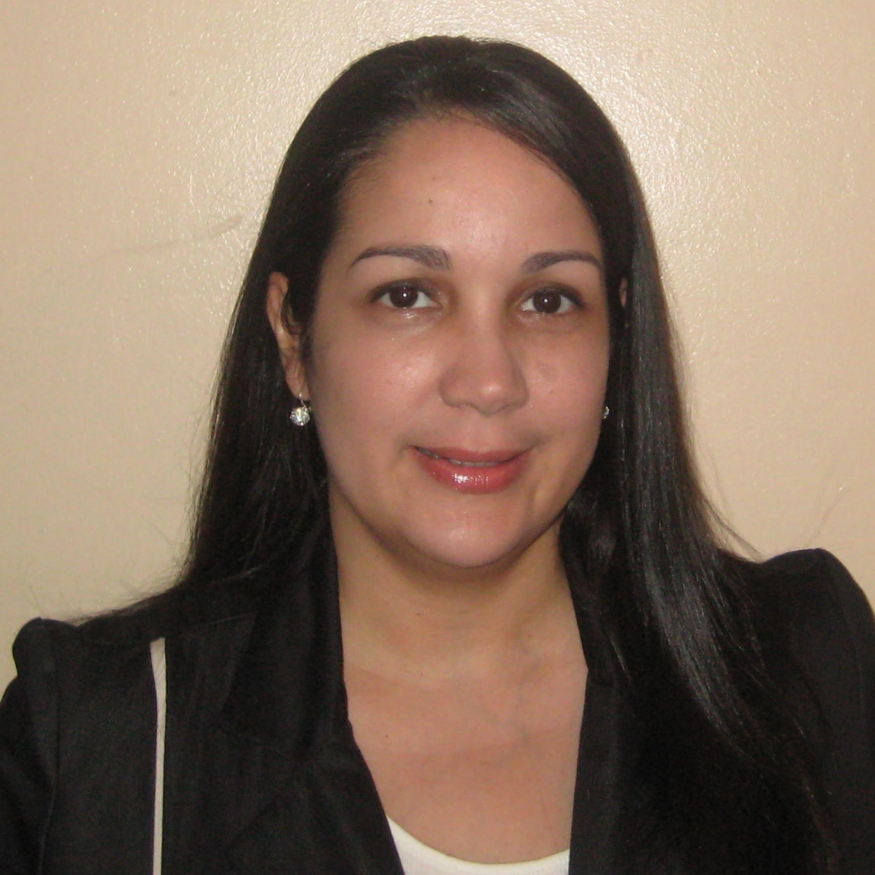
I feel incredibly privileged to be part of an award that acknowledges those who put service and social justice at the forefront of their work. To be recognized for something I to love to do is a source of great pride, and to be called a “champion of change” is an honor so deep that I’m not sure I’ve comprehended it yet.
All of my time is dedicated to practicing and reflecting on the craft of teaching. Yes, I do spend countless hours going to staff meetings, completing paperwork, and performing all of the other elements of the daily grind that comprise the life of a modern day public school teacher; but I’m energized by the fact that every day for 6 hours, I get to be in front of 30 eager students. And I get to teach.
I have found joy in my profession because I work in a special place called KIPP DuBois Collegiate Academy. KIPP, The Knowledge Is Power Program, is a network of free, open-enrollment public charter schools that prepares low-income and minority students for success in college and the competitive world beyond. KIPP builds a partnership among parents, students, and teachers that puts learning first. By providing a team of outstanding teachers and leaders, an extended day and year, and a strong culture of achievement, KIPP is helping all students climb the mountain to and through college.
Fruitful Under the Sun
Posted by on March 29, 2012 at 11:15 AM EST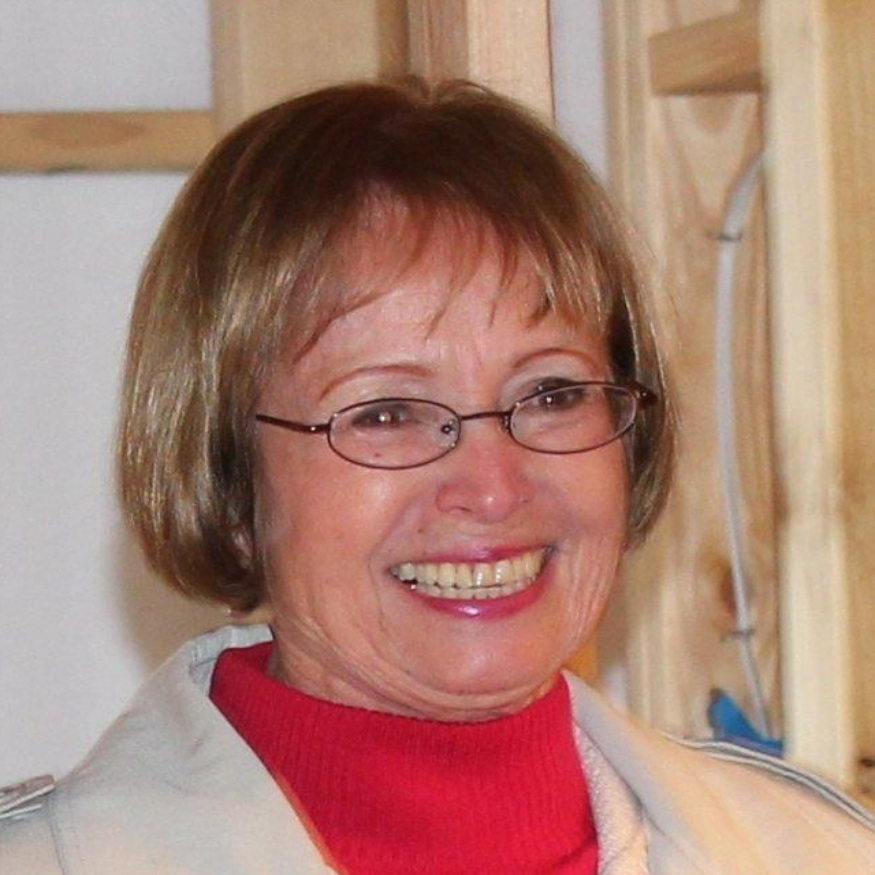
Doctors, teachers, lawyers, priests, like many other professionals, set about on course of academic preparation for their lifetime careers. For me as a wife and mother, I worked to help put my husband through college, with second consideration for my academic course of study in accounting. It was through my fortuitous meeting with the then President of the Board of Directors of Tierra del Sol Housing Corporation who encouraged me to come to work at Tierra del Sol that I started on my profession as Executive Director of a then local nonprofit organization, which provided housing opportunities on an otherwise disenfranchised and yet critically important sector to our local agricultural community, the farmworkers and the working poor.
There was no real academic course of study to prepare me for the many challenges and problems that I would encounter during the past 31 years. It was in the trenches that I learned the lessons of community work and with it gained the tenacity and passion for my work. Decades later, in reflecting my experiences, I chuckle when I think about coming from an office setting to trudging through the desert sands of construction sites in my Italian shoes. I was a female working in a male dominated construction field and I too had the additional challenge of proving myself in that environment. It’s been a good race and it is an honor to be recognized as a “Champion of Change” by the White House. I am truly honored and humbled by this award. It has been my privilege to have found my passion and to serve the people of New Mexico. I have also been blessed to have the support of so many dedicated leaders from our local communities who recognize the economic and social needs of people in rural areas of our states along the international border corridor between the United States and Mexico. My success is beholding to the people who have come to belief that collectively, we can effect change and can bring significant improvements to the lives of our clients.
Collective Minds, Hearts and Hands Working for Change
Posted by on March 29, 2012 at 11:13 AM EST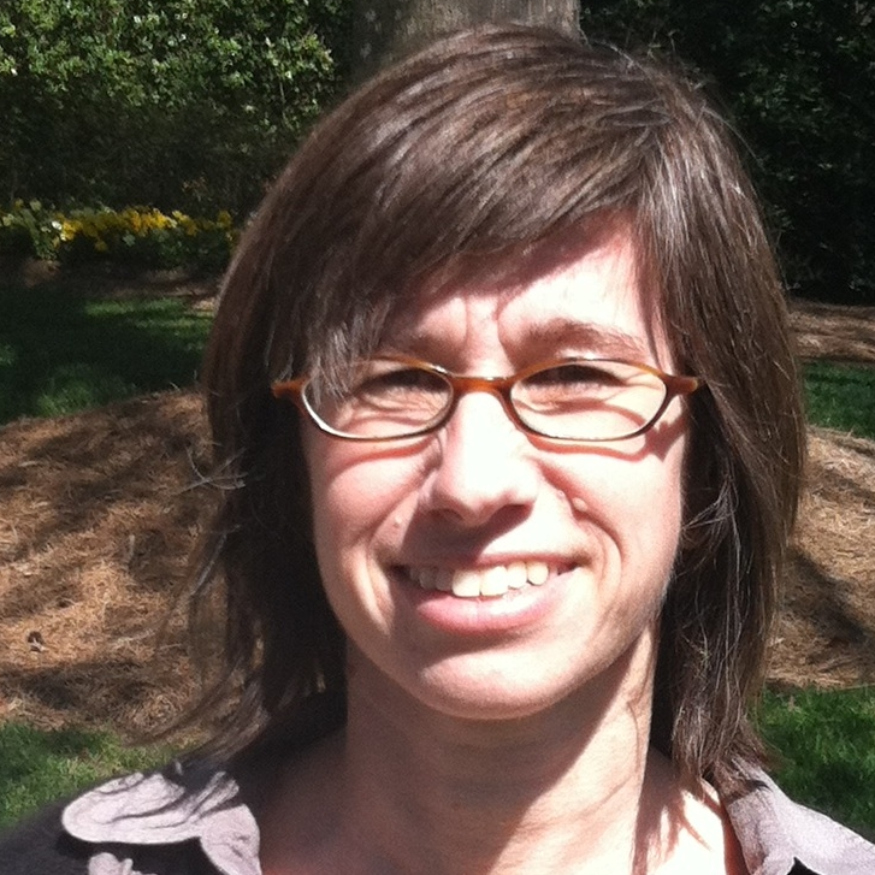
I am honored to be named a "Champion of Change," particularly during the week that lifts up individuals who honor Cesar Chavez’s core values of service, knowledge, innovation, acceptance of all people, and respect for life and the environment. I first learned of Cesar Chavez and the farmworker movement the year that Chavez died. During that spring of 1993, I was studying theology at Duke Divinity School and looking for a summer internship. I found that my previous internships working primarily with homeless women in MS, MO, DE, and NC proved critical to my understanding of the root causes of poverty, my ability to build relationships directly with homeless individuals, and my interest in working for social and economic justice.
I learned about the work and ideals of Cesar Chavez that summer during an internship with Student Action with Farmworkers (SAF), but I also learned a lot more. I learned about my own white, working class community in the Mississippi Delta, about my dad’s experiences sharecropping in the Delta, as well as about how my grandparents had been able to purchase the land I grew up on through a New Deal program that allowed sharecroppers to become farm owners.
One of the roles that Student Action with Farmworkers plays is supporting young people to explore their own family and community’s history, as well as to learn alternative views and stories of history—primarily told by those that are marginalized in our communities. For SAF this means sharing with young people the history of agriculture in the US, how this history connects to larger issues of class, race, and globalization, and the stories of those most oppressed in the agricultural system—farmworkers.
Solely Fulfilled by a Life of Service
Posted by on March 29, 2012 at 11:11 AM EST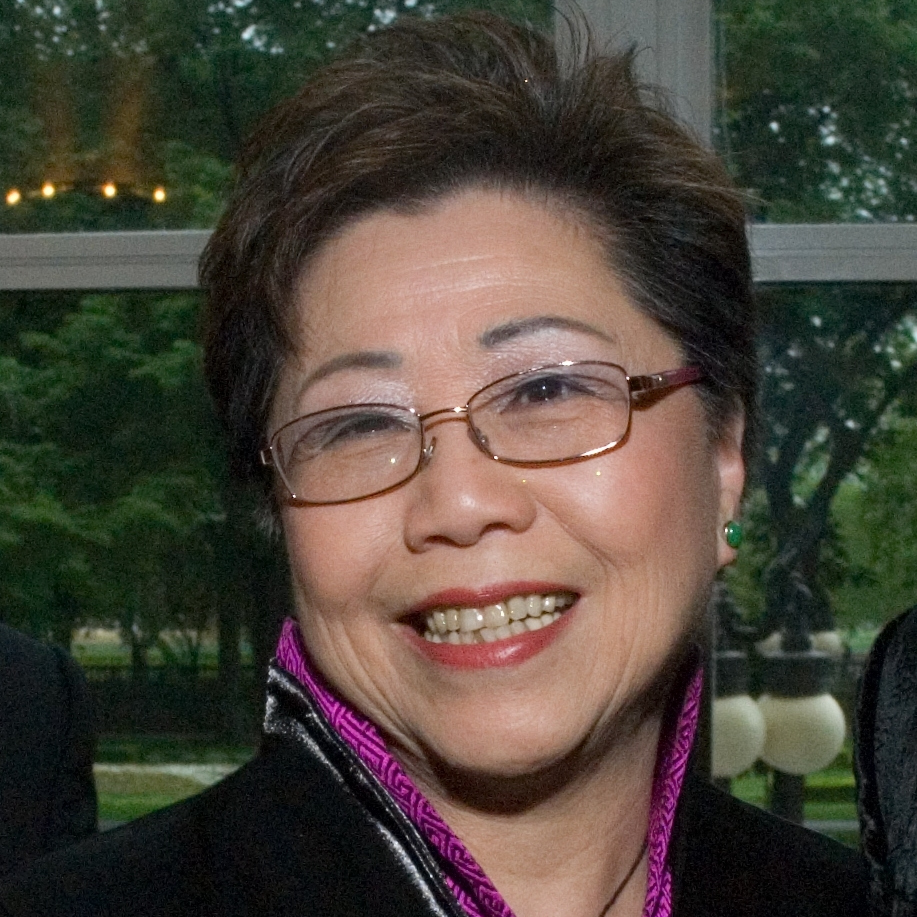 “Don’t only give your care, but give your heart as well” a quote by Mother Teresa which became my late mother’s mantra in life. I was the youngest of seven children and grew up poor but never realized it. I am, what you would refer to as a product of a Catholic School upbringing, I learned early on life the meaning of generosity and compassion for others. My mother was always available and willing to help others in need and would take me and my siblings to visit the sick every week and share our food with others. These experiences in my early years set the stage for my mission driven approach to serving others with dignity and respect. At age 18, I left Hong Kong alone for Sioux City, Iowa, where I earned a four year scholarship to pursue a Bachelor’s Degree in Sociology from Briar Cliff College. I went on to earn a Master’s Degree in Social Work from Washington University in St. Louis.
Through my own experience as an Asian living in a western world, I came to truly understand what poor new immigrants face when confronted by a completely different culture and language. This realization gave me the courage to gather a few friends and begin the difficult task of building the Chinese American Service League (CASL) with a desk and a chair.
Today, after 33 years, CASL has grown from a one-person shop in 1979 to become the largest, most comprehensive social service agency in the Midwest dedicated to serving the needs of Chinese Americans. At CASL, we welcome all who walk through our doors, providing child services, elder services, employment training services, family counseling, and housing and financial education to over 17,000 clients of all ages and backgrounds each year.
I’d like to say we have the best staff working at CASL. Why? Because I see how they devote themselves to serve the newly arrived Chinese immigrants in our great city of Chicago. A majority of our staff are themselves immigrants from Asia, which enhances their ability to empathize with their clients’ experiences of what it means to find an identity in a land they now call “home.” It warms my heart everyday as I walk through the doors of CASL and encountering a frail senior coming to our Adult Day service, or a tiny tot being chaperoned to our Day Care -- I make it my personal mission to stop in my tracks for every one of these precious people. My soul shall not be impoverished by missing out on the richness of what servitude can bring.
A nurturing hub within the heart of Chinatown, the Chinese American Service League (CASL) connects families and individuals of all ages with the vital support they need to flourish physically, economically, mentally and socially, enabling them to thrive and contribute to the greater Chicago community.
Being selected to receive the “Champion of Change” award at the White House is a stark reminder of the words my mother had lived by and shown me through her exemplary lifestyle: “don’t only give your care, but give your heart as well.” As an awardee today, I am truly honored and humbled.
Bernarda Wong is a founder and the President of the Chinese American Service League (CASL).
- &lsaquo previous
- …
- 146
- 147
- 148
- 149
- 150
- 151
- 152
- 153
- 154
- …
- next &rsaquo
Twitter