Health Care Blog
What Could Possibly Happen?
Posted by on January 30, 2015 at 1:34 PM ESTI have lived a lot of life, most of it on the go, and always an adventure. Challenging myself and pushing limits. From 25 to 35, I worked hard and lived with that sense of freedom, full of fun and exploration, believing every year would only get better and better. In that decade, I took some chances – moved to three different cities where I didn’t know anyone, and I took jobs I wasn’t sure about. I was always confident things would work out, or at least I could figure it out how to make it work.
I was lucky. Things did work, and my life in that time was wonderful. I deepened friendships and made even more great friends, completed graduate degrees, traveled the world, saw my nephews born and grow, helped elect a Senator and then a President, lived my dream of improving policies to help others, and even fell in love with the most incredible woman. I remember thinking, here I was in my mid-30s truly living the ultimate adventure, living life to the fullest every day – but also knowing the best years of my life were still in front of me. What I didn’t know during those 10 years was how uncertain my future really was, and how much control I was about to lose.
Two months after my wife said yes to being my adventure partner for life, I was diagnosed with Stage IV cancer. In the same decade I spent building my life, the cancer had been growing, and silently threatening to tear it down. Right at the dawn of my future. Literally, the worst news, at the worst time. Like any good sports fan, I turned to statistics to understand the odds. Only the numbers were no help. For the stage and type of cancer I have, my chances of seeing my 40th birthday were only about 10 percent.
Fortunately I had been paying out of my paycheck for health insurance through my employer. I’d never really given the choice of buying health coverage much thought. I never thought that one day the small choice to get covered would be one of the most important things to keep me alive. Insurance helped me do two things that greatly improved my chances – it helped me get diagnosed, and it helped me begin my treatment quickly.
Learn more about Health CarePrecision Medicine Is Already Working to Cure Americans: These Are Their Stories
Posted by on January 30, 2015 at 10:42 AM EST
During his State of the Union Address, President Obama announced that he is launching a new initiative that will help deliver the right treatment to the right patient at the right time. Precision medicine gives medical professionals the resources they need to target the specific treatments of the illnesses we encounter, further develops our scientific and medical research, and keeps our families healthier. As the country that eliminated polio and mapped the human genome, America is well-positioned to lead in a new era of medicine.
While most of today's medical treatments have been designed for the average patient, precision medicine allows us to be more effective than a "one-size-fits-all" technique. It's an emerging approach to promoting health and treating disease that takes into account individual differences in people's genes, environments, and lifestyles. This makes it possible to design targeted treatments for cancer and other diseases. As the President noted in his speech, this revolutionary approach has even reversed cystic fibrosis, an illness once thought unstoppable.
This approach is already saving lives, giving those in the medical field better options, and helping keep families healthy. Read a few of their stories:

William Elder Jr.
William Elder, Jr. was diagnosed with cystic fibrosis (CF) at the age of eight, when the life expectancy for CF patients was very low. Now at 27, Bill is alive thanks to Kalydeco, a treatment of a particular form for his cystic fibrosis and a remarkable drug that treats the underlying cause of his CF, rather than the symptoms.
At a congressional briefing in 2013, Bill told members of the U.S. Senate that just knowing that there were individuals who were researching his condition gave him hope and the strength to continue his treatments and work to be healthier every day. Bill described waking up in the middle of the night after taking his new treatment for the first time. “I sat on the floor of my room for a while slowly breathing in and out through my nose, and then I realized that was it. I had never been able to easily breathe out of my nose before. This was something profound,” he said. He recalls telling his parents, "For the first time in my life, I truly believe that I will live long enough to be a grandfather.”
Learn more about Disabilities, Health CareThe Precision Medicine Initiative: Data-Driven Treatments as Unique as Your Own Body
Posted by on January 30, 2015 at 9:19 AM ESTWatch Jo Handelsman, Associate Director for Science in the Office of Science and Technology Policy, explain the Precision Medicine Initiative and its significance.
The President's 2016 budget includes investments in an emerging field of medicine that takes into account individual differences in people's genes, microbiomes, environments, and lifestyles -- making possible more effective, targeted treatments for diseases like cancer and diabetes. That's incredibly significant, and this is why:
Right now, most medical treatments are designed for the average patient.
But one size doesn't fit all, and treatments that are very successful for some patients don't work for others. Think about it:
- If you need glasses, you aren't assigned a generic pair. You get a prescription customized for you.
- If you have an allergy, you get tested to determine exactly what you're allergic to.
- If you need a blood transfusion, it has to match your precise blood type.
Enter Precision Medicine: health care tailored to you.
Learn more about Health CareBehind the Budget: Dr. Julian Harris, OMB Associate Director for Health
Posted by on January 29, 2015 at 2:57 PM EST"Behind the Budget" is a series of posts featuring audio stories from staffers from across the Office of Management and Budget, discussing aspects of the budget process that most Americans don't get to see.
In some ways, it's always budget season for the OMB health policy team: At any point in the year, they're likely to be either developing, negotiating, or implementing two or three fiscal year budgets at a time. This year's budget in particular includes a range of proposals, from those that make efficient improvements to health care acess and quality, to those with broader public health implications. That means, for instance, programs that invest in preparedness and disease prevention, efforts to combat antimicrobial resistance, and the NIH-lead effort to accelerate advances in the field of precision medicine.
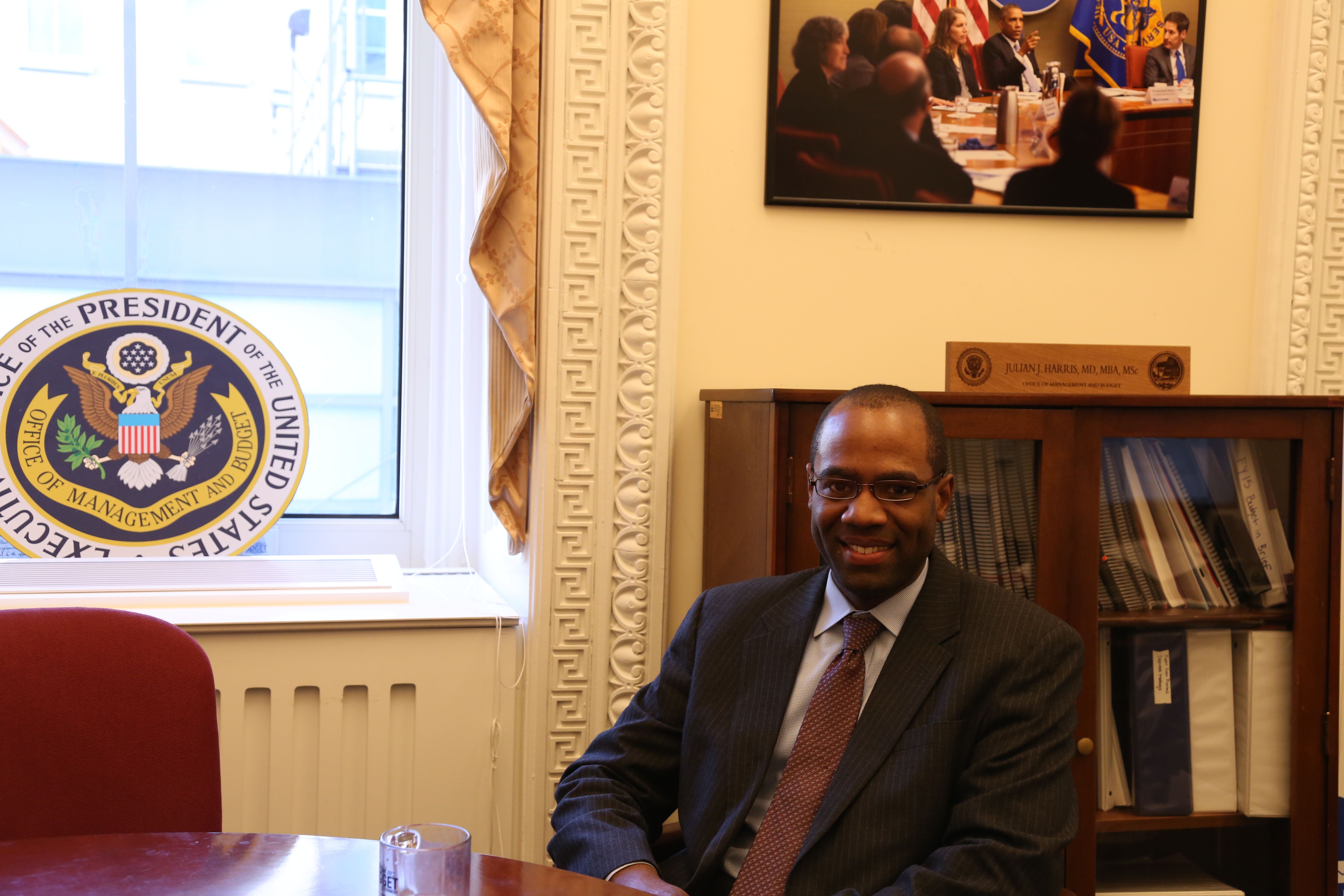
Meet Dr. Julian Harris, OMB Associate Director for Health.
The Faces of Health Care: Steve P.
Posted by on January 29, 2015 at 9:30 AM EST
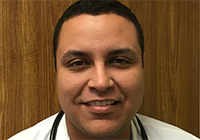
"Your reform made it possible for me to be covered."
Last September, Steve P., an emergency physician in South Florida, wrote the President to thank him for his efforts on health insurance reform.
As an emergency physician, Steve said that he's "a witness everyday to both the successes and the shortcomings of our health care system," and sees "how desperately we needed health insurance reform."
Learn more about , Health CareRemind You of Someone? You Should Share These:
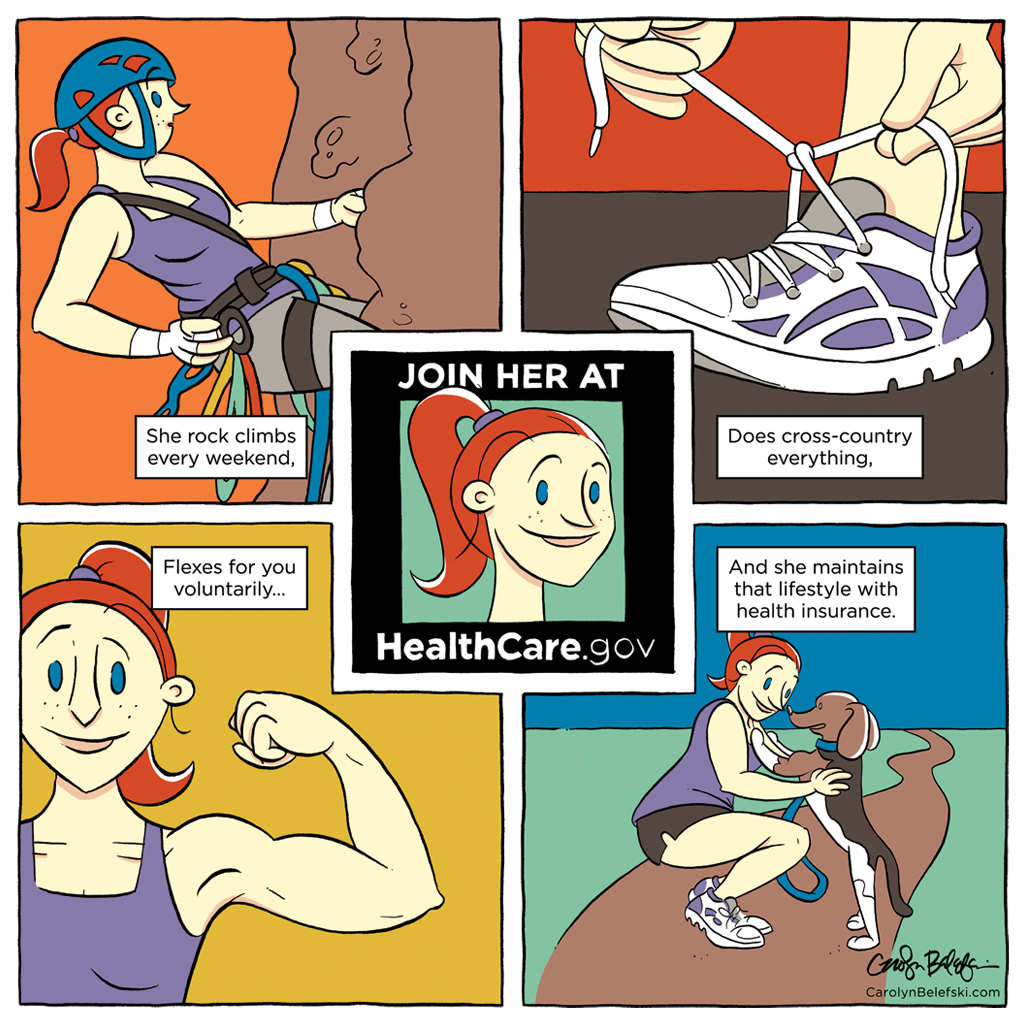
Posted by on January 27, 2015 at 5:08 PM EST2014 saw dramatic reductions in the amount of Americans without health insurance, corresponding with the estimated 10 million people who have already gained health insurance since the beginning of the Affordable Care Act open enrollment period. As more Americans gain coverage and we approach the February 15th HealthCare.gov enrollment deadline, one artist highlights what these diverse Americans have in common in a series of shareable graphics.
Do any of these remind you of someone you know?
Share it with them using the buttons below each image.
Learn more about , Health Care
- &lsaquo previous
- …
- 8
- 9
- 10
- 11
- 12
- 13
- 14
- 15
- 16
- …
- next &rsaquo
From the Press Office
Related Videos
-
 December 13, 2016 5:04 PM
Signing Ceremony for the 21st Century Cures Act
-
 December 10, 2016 5:00 AM
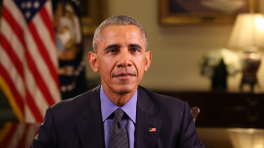
Weekly Address: It’s Time to Get Covered on the Health Insurance Marketplace