Health Care Blog
Weekly Address: America’s Fiscal Future
Posted by on April 16, 2011 at 4:30 AM ESTThe President discusses his plan for our fiscal future, a comprehensive and balanced approach to achieve $4 trillion in deficit reduction over twelve years.
Weekly Wrap Up: The Country We Believe In
Posted by on April 15, 2011 at 4:52 PM ESTYour quick look at the week that was on WhiteHouse.gov.
America's Fiscal Future: On Wednesday, President Obama spoke at the George Washington University about his plan to control spending while staying true to America's values of shared prosperity and shared responsibility. After his speech, economic advisor Brian Deese answered your questions in a live video chat. The President's focus on fiscal policy continued as he met with bipartisan leaders from the House and Senate, and with the co-chairs of his fiscal commission.
Repealing the 1099 Reporting Requirement: A Big Win for Small Business
Posted by on April 14, 2011 at 4:19 PM ESTEd. note: This was originally posted on the Small Business Administration blog.
Today, President Obama signed a law that removes the expanded “1099” reporting requirement from the Affordable Care Act. This is a big win for small businesses.
The SBA and President Obama supported repealing this provision, which would have required businesses to send 1099 forms for all purchases of goods and services over $600 annually. With this bipartisan effort, we have removed a requirement that would have been an undue barrier to small business growth.
The many benefits of the health reform law for small businesses remain in place. These tools are already helping small business owners find more affordable and accessible coverage for themselves and their employees.
In particular, with tax day coming on Monday, don’t forget that many small business that provide health insurance are eligible for tax credits, thanks to the new law. You can learn more at this page on the IRS website.
Karen Mills is the Administrator of the Small Business Administration.
Episcopal Church’s Commission on Health Welcomes HHS Officials
Posted by on April 12, 2011 at 9:11 AM EST
Mara Vanderslice, Acting Director and Senior Advisor of the HHS Center for Faith-based and Neighborhood Partnerships discuss the benefits and provisions of the Affordable Care Act with members of the Episcopal Church’s Commission on Health.
At the end of March our staff traveled to present to the Episcopal Church’s Commission on Health. The Episcopal Church has a rich tradition of ministry and service to the impoverished and underserved. This tradition inspires their interest in health care access for all people, especially the most vulnerable.
Having an opportunity to speak directly to the leaders of the commission that guides the Church’s healthcare ministry was an amazing opportunity for me and my colleagues. I began our presentation by reminding everyone that President Obama and Secretary Sebelius believe that faith and community leaders play an important role connecting hard-to-reach populations to quality, affordable health care. "The stories of everyday Americans and, more importantly, the courage it took to share those stories is what kept this effort alive…,” said President Obama.The Affordable Care Act expands access to care, ends some of the worst insurance company abuses, and makes health care more affordable. Yet many questions remain about the impact of the law.
We had the opportunity to share with the group, that right now, uninsured Americans with pre-existing conditions can get coverage through the new Pre-existing Condition Insurance Plan (PCIP) and young people are allowed to stay on a parent’s health care plan up to age 26. When I discussed ending insurance abuses, I explained that it is now illegal for an insurance company to drop you from a health care plan if you become sick due to an unintentional paperwork mistake. By putting you in control of your care, I told the commission, insurers can no longer cap the dollar amount they will pay or limit the amount of care you will receive in your lifetime.
Learn more about Health Care, ServiceWest Wing Week: "Windmills? Call Them Wind Turbines!"
Posted by on April 7, 2011 at 11:00 PM ESTWelcome to the West Wing Week, your guide to everything that's happening at 1600 Pennsyvlania Avenue. This week, President Obama focused on securing our nation's clean energy future, making stops at facilities in Maryland and Pennsylvania. He also met with Congressional leadership, hoping to avoid a government shutdown in the face of budget disagreements. The President also kept his eye on foreign policy, discussing developments in the Middle East with Israeli President Shimon Peres, and hemispheric concerns with Colombian President Juan Manuel Santos.
Find out more about the topics covered in this West Wing Week:
Friday, April 1, 2011
Tuesday, April 5, 2011
- President Obama on Budget Negotiations: "We Have Now Matched the Number the Speaker Originally Sought"
- White House Press Briefing: President Obama on Budget Negotiations
Wednesday, April 6, 2011
Arun Chaudhary is the official White House Videographer.
Improving Care for People with Medicare
Posted by on March 31, 2011 at 10:51 AM ESTCross-posted from HealthCare.gov.
If you or a loved one has ever had the unfortunate experience of having a chronic or serious illness, you’ve experienced the frustration of our fragmented health care system. Just when you are feeling your worst, there you are in the doctor’s office or hospital room, repeating the same information time and time again, sitting through the same medical test more than once, and trying to track down lost or unavailable medical charts. These are all aspects of our current health care system we could each do without.
This can be a particular problem for the more than half of Medicare beneficiaries with five or more chronic conditions such as diabetes, arthritis, and kidney disease. These patients often receive care from multiple physicians and in multiple sites. A failure to coordinate care can lead to patients not getting the care they need or receiving duplicative care. This lack of coordination also increases their risk of suffering medical errors, such as receiving prescriptions for medications that ought not to be taken together. It can also cause complications that lead to needless hospital stays. Nearly one in five Medicare patients discharged from the hospital is readmitted within 30 days – a readmission many patients could have avoided if their care outside of the hospital had been better coordinated.
Learn more about Health Care
- &lsaquo previous
- …
- 118
- 119
- 120
- 121
- 122
- 123
- 124
- 125
- 126
- …
- next &rsaquo
From the Press Office
Related Videos
-
 December 13, 2016 5:04 PM
Signing Ceremony for the 21st Century Cures Act
-
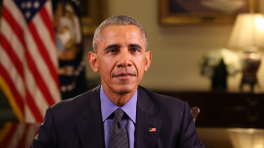 December 10, 2016 5:00 AM
Weekly Address: It’s Time to Get Covered on the Health Insurance Marketplace