

Latest News
Honoring American Indian and Alaska Native Veterans
Posted by on November 10, 2011 at 4:19 PM EST
President Barack Obama greets people following his remarks during the opening session of the Tribal Nations Conference at the U.S. Department of Interior in Washington, D.C., Dec. 16, 2010. (Official White House Photo by Pete Souza) (Official White House Photo by Pete Souza)
During November, National Native American Heritage Month, we commemorate the enduring achievements of American Indians and Alaska Natives and reaffirm the vital role American Indians and Alaska Natives play in enriching the character of our Nation.This Friday, our Nation comes together to honor our veterans and commemorate the legacy of profound service and sacrifice they have upheld in pursuit of a more perfect Union. In Indian Country as well, we pay tribute to our veterans, to the fallen, and to their families.
American Indians and Alaska Natives bravely fought to protect this country as members of our Armed Forces, from the American Revolution to Operation Iraqi Freedom and Operation Enduring Freedom. The courage these veterans have shown, the sacrifices they have made for their families and communities are a powerful reminder of the rich heritage and myriad contributions that American Indians and Alaska Natives have made to our country’s heritage.
Learn more about VeteransArt Cart in The Big Apple
Posted by on November 9, 2011 at 4:50 PM ESTThere are many things that can inspire us. Whether it’s listening to the story of a war veteran, learning about someone who successfully started a company, or reading a speech from historic figures fighting injustice there are so many places to look for inspiration. For many there is one thing they can always rely on to stir imagination and passion - art.

Hannah Flegelman. (Photo from HelloGiggles)
Most of us do not get the chance to work with artists and art on a daily basis. Many people do not have the time to visit a museum or a gallery during the work week and therefore find themselves craving to reinvigorate their creative juices. This week’s Women Working to Do Good profile of Hannah Flegelman highlights the savvy way she is bringing creativity to the people in the streets of New York City proving that art can be discovered anywhere. Hannah found her inspiration for Art Cart NYC in a very unlikely place:
Celebrating American Indian and Alaska Native Heritage Month
Posted by on November 9, 2011 at 3:34 PM ESTEd note: This blog was cross-posted from the Department of Justice.
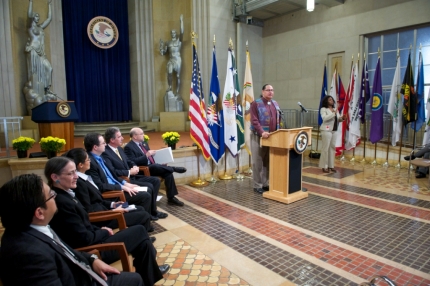
Mr. Dennis W. Zotigh delivers remarks before he performs a cultural piece at the commemoration. (Photo from the Department of Justice)
This week the Department of Justice held a special event in the Great Hall commemorating National Native American Heritage Month. Each November, the department honors the cultural traditions, contributions and history of America’s indigenous peoples in honor of their many sacrifices and contributions to our nation’s well-being.
Now Is the Time for Change
Posted by on November 9, 2011 at 9:44 AM ESTFor six years of my life I lived out of a suitcase, travelling to war-torn countries, where a small group of us built an organization called Playing for Peace. The idea was to use sports to get kids from both sides of a conflict meeting each other, finding common ground and eventually becoming friends. I am a huge believer in the concept that the most powerful weapon in the world is an idea whose time has come, and the idea of using sports to promote change couldn’t have been more timely.
I have spent a lot of time on airplanes as a result of this work and inevitably would also spend a considerable amount of time talking to those sitting next to me on each flight. One of my favorite questions to ask people was: “if you could go back in time, which period would you choose to go back to?” The answers I received were always interesting and ranged across the board. Some wanted to go back to the days of the cavemen, some wanted to live as knights in the Medieval Ages, and others wanted to go back to the free flowing 60s.
On one particular long flight from London to Johannesburg I had the opportunity to speak with a teenager who seemed mature past his years. Long into our conversation I ventured to ask him the question. Without any hesitation he looked me in the eye and he responded: “I would go back to Nazi Germany.” I was stunned by his answer and asked him to explain why he would choose that dark period. Without losing eye contact he told me that he felt he would have had a chance to stop Hitler, or at least he might have been able to make a difference in the lives of those who were being persecuted.
This young man’s statement was incredibly powerful and it caused my mind to race for the rest of the flight. I had always wondered what side of a struggle I would have chosen if I had been in a position to choose. Being a white American, if I had been born in Alabama during the civil rights movement, would I have had the courage to stand out against what was happening and join the likes of Martin Luther King Junior or Malcolm X? If I had been born a white South African growing up during Apartheid, would I have had the strength to go against the grain and fight for equality? Would I have had the clarity of mind to stand for the freedom of the blacks in South Africa?
Then I saw myself 20 years from today sitting next to a young adult asking me the same question I had asked during my travels. What would I say to this eager person? Would I tell him Nazi Germany, the American Civil Rights movement, or the Apartheid time in South Africa? That is when I realize that the time is now. I today along with everyone have a responsibility that is pressing. I look around our nation and the opportunities that are present. The state of our education system as it currently stands is criminal. If we can’t fix it quickly then we will lose another entire generation of children, putting us even further behind rapidly growing nations. Global Warming and clean energy are not being taken seriously and continue to be punted to the next generation to deal with. HIV/AIDS claims over two million lives per year. Those are just to name a few. My point is that now is the time to act. Now is the time to become aware and awake, and to stand up for change. Nelson Mandela could have just waited for the next person to do something. Martin Luther King could have hoped that someone else would have started the movement.
We are all in a position to choose that what we say matters because it serves, as we speak. We are always in the thick of the fight, even though we may not know it at the time, and only the great ones have the vision and leadership to see to it and act on it. I believe that great leaders and heroes have been selected as Champions of Change and I look forward to hearing about all of the movements, companies and ideas you have created and are supporting across the country to help make our world a better place.
Thibault Manekin is a co-founder of Seawall Development, which redevelops historic city buildings as office space for non-profits and housing for teachers.
Revitalizing Rural America
Posted by on November 8, 2011 at 3:26 PM EST
On November 3, I was honored with a Champions of Change award, allowing me to join a conversation between Administration officials and visionaries from around the country to discuss the many challenges and opportunities that face rural America.
I am a fifth-generation descendant of Colorado homesteading pioneers; my maternal grandparents were Minnesota dairy famers. Over a course of five decades I have witnessed technological and social changes that have both made our rural landscape the breadbasket of the world – and created a new social paradigm where our best and brightest often leave, never to return. It is with no sense of irony that a landscape that contains some of our grandest natural resources – our air, sun and water – the very infinite resources that produces this country’s food, feed, fiber and fuel – is the same landscape that is becoming increasingly depopulated.
Just seven decades ago our nation embarked on the idea of rural electrification. It is because of that effort that we saw a revolution in agricultural productivity and the establishment of vibrant, rural communities across this country. In thanks to the partnership between the resources of the federal government and the ‘can do’ attitude of our rural constituents, the economic potential of our resources were unleashed, bringing with them great prosperity.
Today we find ourselves at a crossroads across this vast landscape. As our nation embarks on what some may call our ‘Apollo moment’, the question remains: will we find ways to connect today’s technology to the distribution grid, gathering the bounty of our air and sunshine to provide affordable, local power to the masses? Will we harness the power of the sun through photosynthesis, converting our vast solar wealth into biomass for our fuel supply? Will we find ways to connect restorative practices to our soil carbon and organic matter to provide both a new source of revenue for America’s farmers and ranchers? Will we re-establish ourselves as global thought leaders on building the foundation for a 21st century global economy?
One of the organizations I helped found, “25x’25”, is an alliance on national interests who seek to establish agricultures role in these new markets; we seek to enhance the economies and opportunities to our rural areas. We seek common sense, pragmatic solutions to our nation’s woes. A second organization I help found, the Sustainable Biodiesel Alliance, promotes a local model of biofuel production. The ‘local first’ approach to vision is one we believe maximizes both job and wealth creation at a community level. It is an approach that we believe should be applied to all local resources, whether they be food, liquid fuels or an electron.
As a citizen of Colorado, we have demonstrated the effects of sound public policy related to a New Energy Economy. What started as a modest goal of 10% renewable energy in our electrical supply in 2004 has grown to a 30% standard today. Our focus on the conversion of our natural resources to an infinite supply of affordable, homegrown power has brought with it untold opportunities across broad swaths of our eastern Colorado prairies and our mountain valleys; it has attracted new industry and with it an expanding tax base and unleashed a torrent of entrepreneurial spirit. Our state ‘blueprint’ demonstrates a clear path upon which our nation would be served well to embark upon.
A revitalized rural America is one of the many benefits of a national focus on building a 21st century economy through technology, innovation and public support. Just as we were challenged some five decades ago by President Kennedy to land on the moon before the end of the decade, [a feat we accomplished in eight years], so today we face many of the same perilous challenges: our role as a global leader; our mission to out-innovate the rest of world – starting at home. On the farm. In every community across this nation. We owe it to the generations that follow us to embark on a visionary goal of energy independence, a strong rural economy and national policies that recognize the importance of the value American agriculture brings to the nation’s table of prosperity.
Michael Bowman serves on the National Steering Committee for "25x'25" and was a founding member of the alliance.
Preparing Today's Technicians for Tomorrow's Automobiles
Posted by on November 8, 2011 at 12:30 PM ESTEd. Note: Champions of Change is a weekly initiative to highlight Americans who are making an impact in their communities and helping our country rise to meet the many challenges of the 21st century.
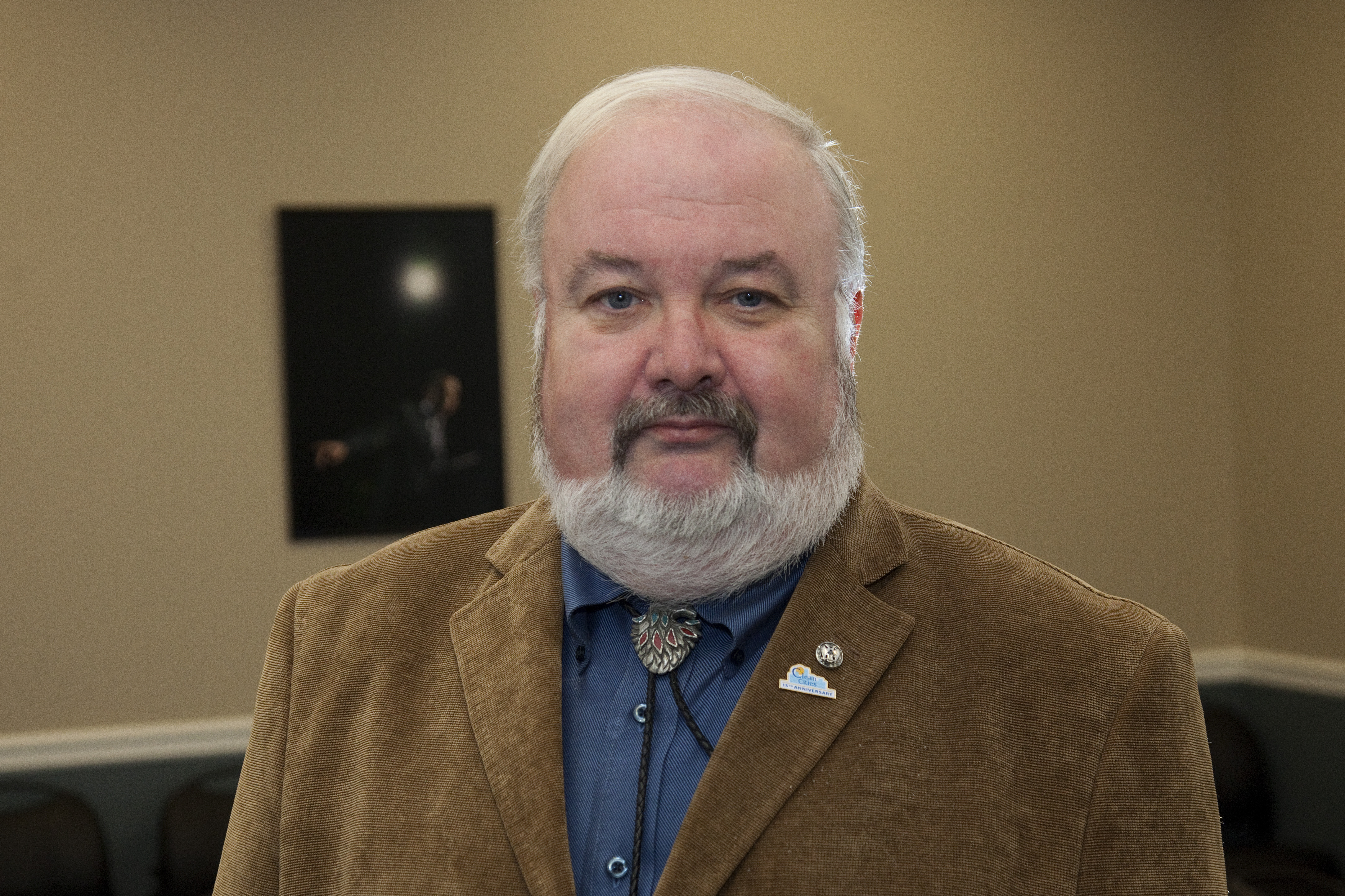
For better or worse, the American economy is tied to the automobile and even more to the concept of personal transport. While at first the automobile was only a plaything for the rich, industrial pioneers such as Henry Ford and William Durant developed manufacturing systems which made the automobile affordable for millions of Americans. They also created the American Middle Class with an industrial model that brought wealth and freedom to more people than any previous economic system in human history.
However, for any technology to remain successful, for any business model to remain successful, it must evolve and adapt to macro changes; changes in energy supply, changes in our environment, changes in our demographics and our economy.
The automobile business as we know it must evolve. Drive down any main street in America and inventory the businesses that are tied to the automobile: new car dealerships, used car dealers, independent repair shops, national service franchises, tire retailers, gas stations, car washes and detailers. Don’t forget the associated businesses that are supported by the sales, financing, fueling, repair and maintenance of this ubiquitous product. It is one of the pillars of our economy. Yet the automobile must evolve. At Wake Tech and now as a Champion For Change, my focus is the automotive service sector and the recruitment, training and professional development of the automotive technician. “Make It In America” requires a highly trained and well paid service sector!
The Next Big Frontier of the American Story
Posted by on November 8, 2011 at 11:30 AM ESTEd. Note: Champions of Change is a weekly initiative to highlight Americans who are making an impact in their communities and helping our country rise to meet the many challenges of the 21st century.

I am truly honored to be recognized among such an extraordinary group of entrepreneurs, scientists and engineers who are using science and technology as change agents to improve the lives and livelihoods of everyday Americans.
The title “Champion of Change” belongs to everyone at Lighting Science Group and other organizations who work every day to find solutions and push the boundaries of what’s possible.
If you think about it, all of the great American success stories have come as a result of our quest to tame the next frontier – from the pilgrims landing on Plymouth Rock to astronauts landing on the moon. Today, we must aim even beyond space itself, to an invisible, yet not unimaginable, clean energy future. That exploration will move ahead with or without us, and no nation which expects to be a 21st Century leader can stay behind in this clean-energy race.
It’s this spirit of competition, collaboration, and curiosity that drives everything we do at Lighting Science Group. We believe that the cleanest energy isn’t solar, geothermal or wind – it’s the energy saved, the energy never expended at all.
Building a New Streetcar Industry in the United States
Posted by on November 8, 2011 at 10:52 AM ESTEd. Note: Champions of Change is a weekly initiative to highlight Americans who are making an impact in their communities and helping our country rise to meet the many challenges of the 21st century.
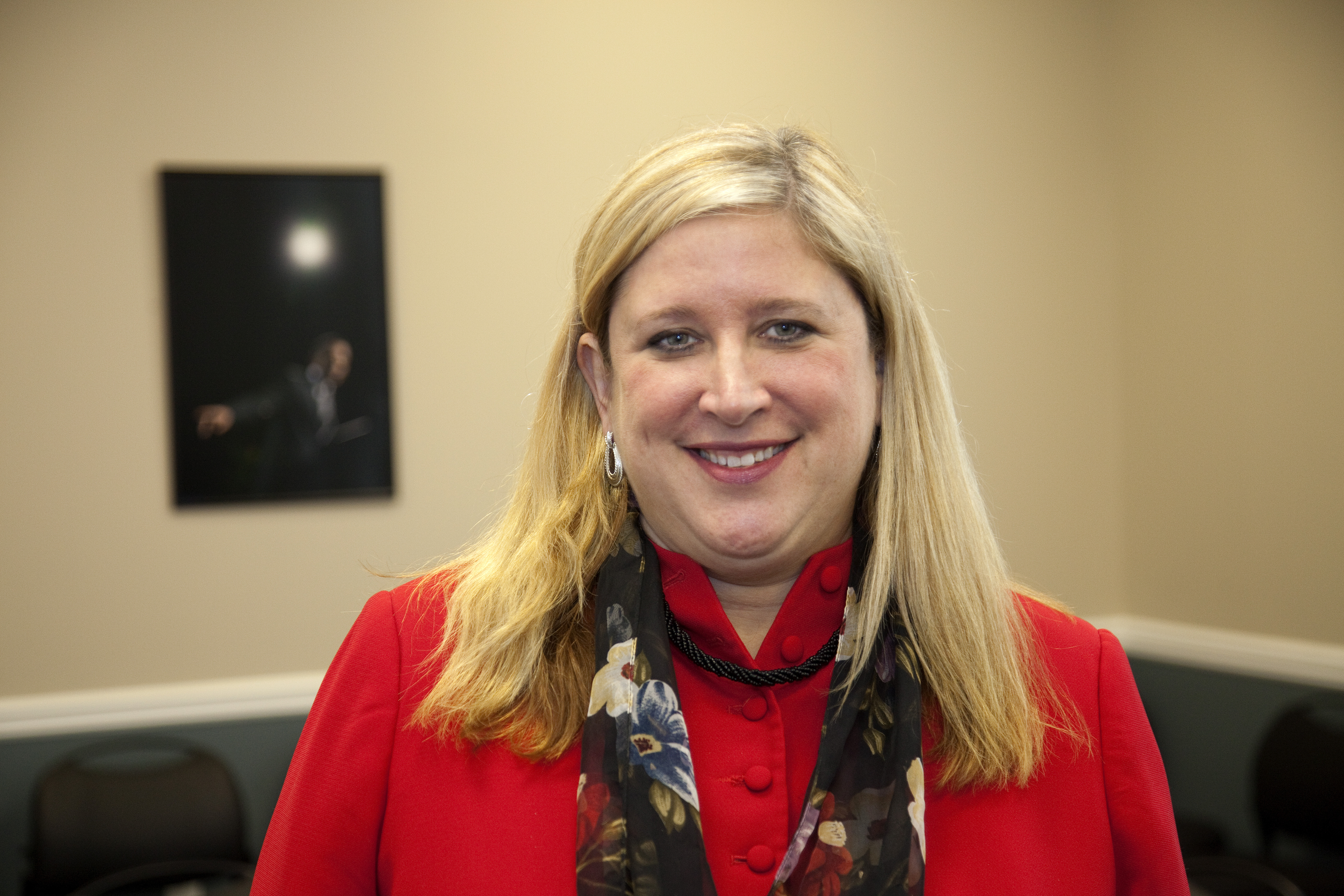
I cannot begin to express what an honor it is to be recognized as a Champion of Change. I am thrilled that our efforts to “Make it in America” are creating an impact, and will hopefully facilitate the return of more jobs to the United States.
Upon discovering all modern streetcars were imported, I knew that we could create and offer an alternative for communities to serve their transportation and urban circulating needs. United Streetcar was formed to build the first modern streetcars manufactured in the United States in over 59 years. Since the formation of United Streetcar, a subsidiary of Oregon Iron Works, I have come to discover just what an impact manufacturing jobs have on our economy. Oregon Iron Works is aworld-class metal fabricator, with factories in Oregon and Washington. Backed by an experienced and capable work force, we decided to enter the modern streetcar market and create the building blocks of a new manufacturing industry right here in the USA.
Between Oregon Iron Works and United Streetcar, we employ a highly skilled and productive workforce of over 400 people. We successfully compete in this market as demonstrated through executed contracts worth more than $50 million from the cities of Portland and Tucson. The creation of a new manufacturing industry in the United States is due to a true public-private partnership with United Streetcar investing millions of dollars, along with support of our federal, state, and local partners. Through this partnership, we have in sourced jobs away from Europe and brought them back to the United States, solidifying a new industry in which we have hundreds of suppliers across the United States now building parts for modern streetcars. We certainly would not be this successful without our workers and management who have been focused on the importance of manufacturing in the United States since our founding in 1944. US workers are some of the most productive and skilled in the world, and I am proud not only to lead United Streetcar, but also to serve on the US Manufacturing Council and I will continue to work hard to support domestic manufacturing throughout this amazing country.
- &lsaquo previous
- …
- 183
- 184
- 185
- 186
- 187
- 188
- 189
- 190
- 191
- …
- next &rsaquo
Twitter