

Latest News
Teachers We Love
Posted by on October 26, 2011 at 10:39 AM ESTHere at the White House, we just love teachers. Each of us had a special teacher that changed our lives and went the extra mile just to see the spark within us grow ablaze.
Throughout my life I’ve been blessed with so many amazing ones that shaped my life in some indelible way. There was Mr. Paulson the elementary school music teacher that encouraged me to join the school choir, Mrs. Staley in 6th grade who thought I would have fun running for student council president (I won!), Mr. Rossi in junior high that helped me discover a love for American history and our Constitution, and my high school English teacher Ms. Adams who reminds me to this day that I can do anything as long as I put my mind to it (though maybe the window for me to play big league shortstop has closed. Maybe.) In short, I wouldn’t be where I am today without them and I am forever grateful to all the teachers that put our children, our future first.

Ninive Calegari (Photo from Hello Giggles)
Programs of Change: Law Schools Explain Their Commitment to Public Service
Posted by on October 25, 2011 at 4:58 PM ESTEd. Note: Champions of Change is a weekly initiative to highlight Americans who are making an impact in their communities and helping our country rise to meet the many challenges of the 21st century.
At the October 13 Champions of Change event, Stanford Law Professor Deborah Rhode noted that it is a “shameful irony that the country with the highest concentration of lawyers in the world does such an abysmal job of ensuring that they are available for the vast majority of low-income people who need them, and whose needs are greatest.”
Millions of people in the United States cannot access legal assistance that is often critical to their wellbeing and freedom. All parts of the legal profession need to be engaged to address this crisis. There is no better place to begin than when future lawyers are at the very start of their careers – when they are still in law school.
Champion Martha Bergmark, President of the Mississippi Center for Justice, noted with some envy that when she was in law school, clinics were only just beginning. But as most Champions observed on October 13, times have changed and law schools now offer a wide range of opportunities for students to learn about legal issues involving poverty and equal justice.
Students are able to get hands-on experience helping victims of domestic violence, individuals who need a second chance, or Native Americans in need of defender services. There are a diverse range of opportunities for students interested in supporting the cause of access to justice.
White House Hispanic Community Action Summit in New York City
Posted by on October 25, 2011 at 12:08 PM EST
Jon Carson speaks at the White House Hispanic Community Action Summit in New York City on Tuesday, October 18, 2011. (Photo by Jessica Orozco of the Hispanic Federation) October 18, 2011.
Last Tuesday, I had the opportunity to reemphasize President Obama’s commitment to improving the lives of Latinos at a White House Hispanic Community Action Summit in New York City. As the fastest growing minority in the United States, there is no doubt the success of the Hispanic community is essential for the success of all Americans. The White House partnered with the Hispanic Federation to bring Latino leaders from New York, New Jersey, and Connecticut together with high-level Administration officials to identify solutions and opportunities to work together on critical issues facing the Hispanic community.
The summit covered a wide range of topics, from Jobs and the Economy to Health Care, Education, and Immigration Reform. It was a great opportunity for me to hear firsthand both the concerns of Latino leaders as well as on the ground solutions from the community’s perspective. It was equally as important for the Latino community to hear how hard the President and this Administration is working every day to positively affect the lives of Latinos and their families.
Why We Need the American Jobs Act
Posted by on October 25, 2011 at 11:21 AM EST
President Barack Obama delivers remarks on the American Jobs Act at Fire Station No. 9 in North Chesterfield, Virginia during the American Jobs Act bus tour, Oct. 19, 2011. (Official White House Photo by Pete Souza)
Last week, President Obama took a bus tour through North Carolina and Virginia to talk directly to the American people about jobs, the economy, and the importance of the American Jobs Act.
After attending the President’s speech at Langley Air Force Base, Stacie Walls-Beegle sent us a note about her experience running ACCESS AIDS Care, a non-profit organization in Hampton, Virginia that provides services to people living with HIV/AIDS as well as a safe space for the local LGBT community:
“For the last ten years, I have run ACCESS AIDS Care, a non-profit organization that serves the Eastern region of Virginia, including Norfolk, Virginia Beach, Hampton, Newport News, and adjoining areas. Our small organization employs 45 individuals and serves more than 500 people a year living with HIV/AIDS. This year we opened the LGBT Center of Hampton Roads, the first of its kind in this region.
On a daily basis, me and my staff work diligently to keep our doors open to serve individuals and families who are already living below the federal poverty line. Many of them are also employed in minimum wage jobs and are uninsured.”
We also heard from Jay Squires, President of the Gay Community Center of Richmond, following the President’s speech in Chesterfield, Virginia:
“America’s LGBT community centers serve 40,000 people each week. 725,000 people are affiliated with 200 centers nationwide. The centers, often volunteer-run and lightly funded, do critical work to address issues of poverty, homelessness, substance abuse, health care, and discrimination, seven days a week, and one person at a time.
These are the issues that impact our people’s lives daily. Smaller centers do their work with the support of individuals who donate what they can to support the work that needs to be done. Tens of thousands of times each week, we make a difference. The community center movement is a great example of the American spirit – people coming together because they need to, to care for their own.”
Community centers, health clinics, and local non-profits across the country provide critical services for lesbian, gay, bisexual, and transgender people – many of whom are especially vulnerable in a tough economy. Passing the American Jobs Act will help put people back to work and put more money in the pockets of working Americans.
The American Jobs Act will provide tax relief for workers and businesses, put teachers, police officers and firefighters back on the job, and invest in rebuilding our infrastructure and modernizing our schools. It also focuses on providing pathways back to work for the long-term unemployed – providing incentives for employers to hire, expanding efforts for youth employment and subsidized jobs, and prohibiting discrimination on the basis of unemployed status.
Learn more about the American Jobs Act, and take a look at front pages from the American Jobs Act Bus Tour.
Gautam Raghavan is an Associate Director in the White House Office of Public Engagement.
Learn more aboutWhite House “Open for Questions” with Valerie Jarrett and Melody Barnes
Posted by on October 25, 2011 at 8:50 AM EST
Domestic Policy Council Director Melody Barnes answers an audience member’s question at the “Open for Questions” conversation at the White House on Friday, October 21, 2011. October 21, 2011. (by Office of Public Engagement)
Last week, the White House hosted an “Open for Questions” session with Senior Adviser Valerie Jarrett and Domestic Policy Council Director Melody Barnes to give an update on the American Jobs Act and to discuss the administration's “Creating Pathways to Opportunity” report. All questions addressed on stage were filtered in from audience members and submitted on Twitter by people across the country. The Root's Cynthia Gordy moderated the 45-minute discussion, which covered questions ranging from job creation to poverty to economic improvement in urban areas. The session was streamed live by The Root and on whitehouse.gov.
To read more about the White House report on Creating Pathways to Opportunity for All Americans, please visit www.whitehouse.gov/opportunity
Watch the video of the event:
Heather Foster is the Associate Director of African American Affairs.
Committing to Helping Those in Need, One Person at a Time
Posted by on October 24, 2011 at 4:07 PM ESTEd. Note: Champions of Change is a weekly initiative to highlight Americans who are making an impact in their communities and helping our country rise to meet the many challenges of the 21st century.
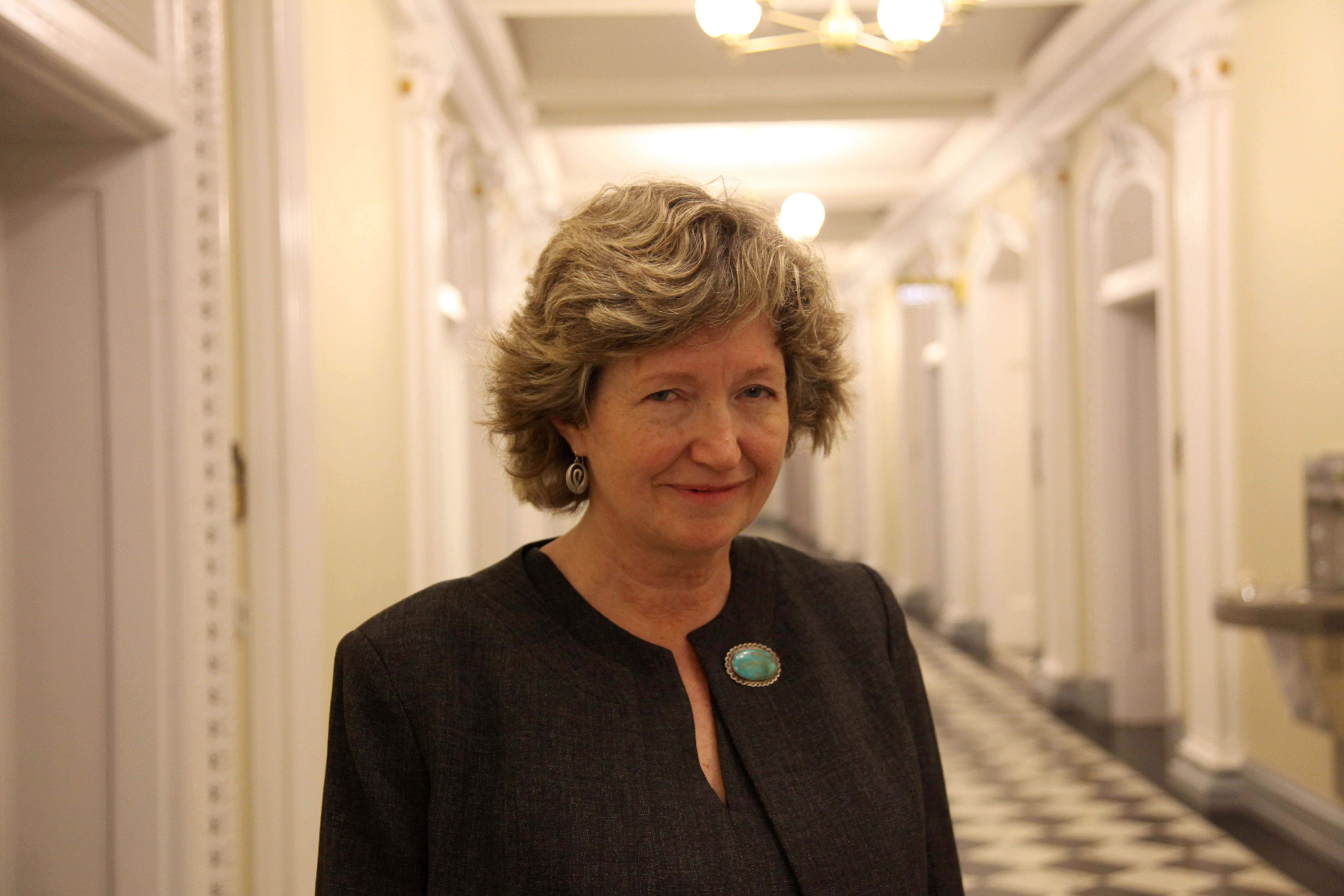
To be a legal aid advocate, by definition, is to be a champion of change in the lives of our clients and in the legal environment in which we operate. Over the past 44 years, Pine Tree Legal Assistance has been staffed by hundreds of champions of change, and the quality of their work is extraordinary. In Maine, the abolition of debtors’ prison, the right to due process and a fair hearing, the first successful employment discrimination lawsuits, improved housing codes, accessibility for people with disabilities, and an end to “robo-signing” in foreclosure proceedings are all legacies of Pine Tree’s commitment to individual clients who sought our help, one person at a time.
The downside to a great reputation is that, every year, we get more and more calls for help and must turn away a higher percentage because of limited staff resources. In 2009, Pine Tree only had sufficient resources to handle 15% of eligible requests for help and that percentage is dropping as we lose staff to new funding cuts. Every week, our staff say “no” to desperate callers with meritorious legal claims, knowing those callers will not find an attorney elsewhere to take their case. Instead, we can only do our best to ensure that Maine people understand their legal rights and have some tools to enforce them in Court or before administrative agencies. Until the advent of the Internet, we relied on printed versions of in-house publications such as “Do Your Own Divorce in Maine.”
Transforming the Way We Care for Our Country’s Most Vulnerable Citizens
Posted by on October 24, 2011 at 2:08 PM ESTEd. Note: Champions of Change is a weekly initiative to highlight Americans who are making an impact in their communities and helping our country rise to meet the many challenges of the 21st century.
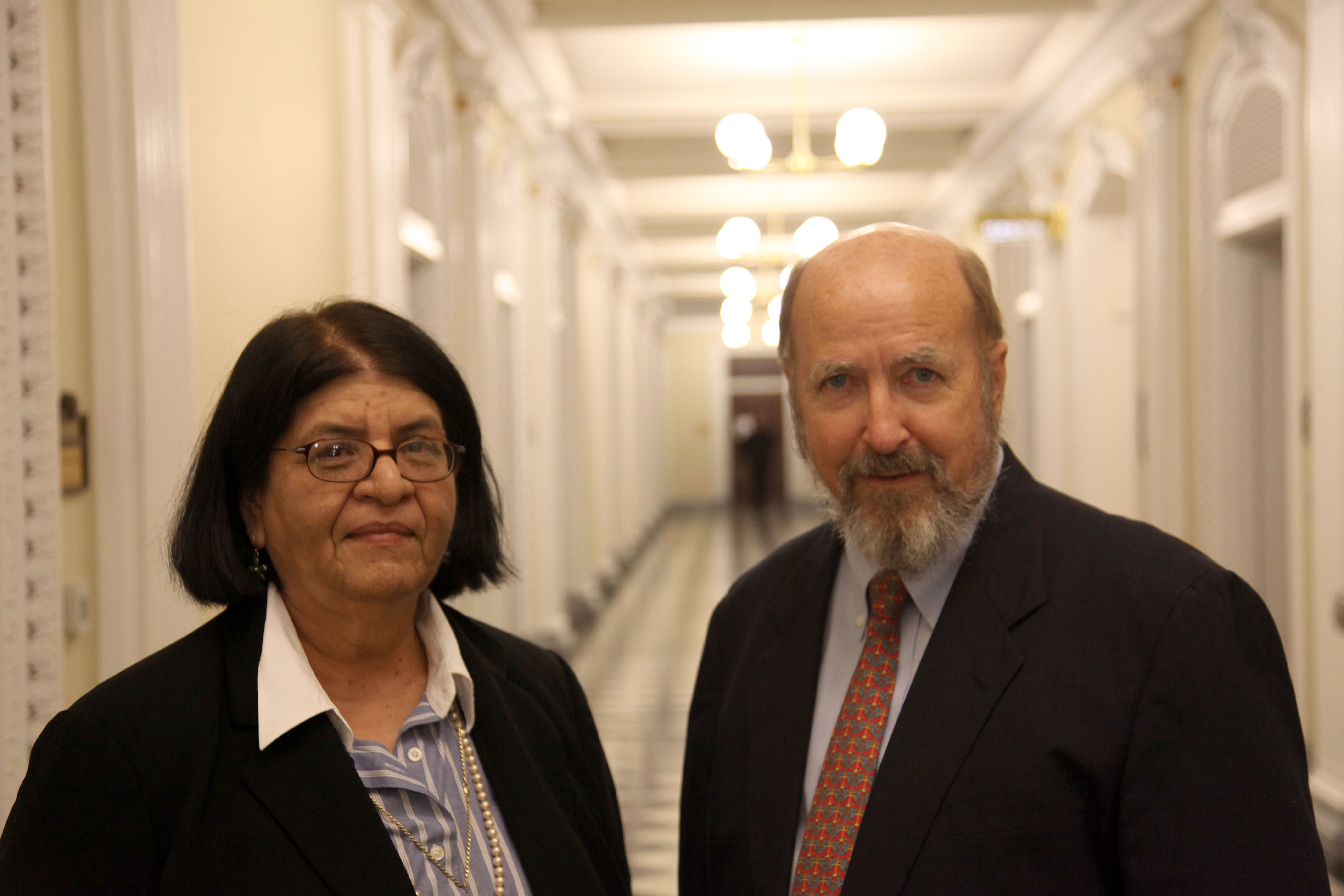
The Brownsville Community Health Center and Texas RioGrande Legal Aid have been recognized by the White House as Champions of Change for their Medico-Legal Partnership. The MLP model has emerged in recent years, growing from less than one hundred projects five years ago into a system that serves low-income patients in more than 235 hospitals and health centers around the country. It's a movement that grew from a fairly simple concept: that often patients who are poor need lawyers as well as doctors to address their medical conditions. A pediatrician in a health center in an impoverished community diagnoses a child as dyslexic, but realizes that the local school district is not providing special education services, or is frustrated because another child is not responding to asthma treatments because she lives in a mold-invested apartment. At the Brownsville Center, both of those patients are referred to the TRLA lawyer in the office down the hall, and legal advocacy for the family becomes part of the treatment protocol.
Learn more about Health CarePursuing Equal Justice for All Native Americans
Posted by on October 24, 2011 at 11:38 AM ESTEd. Note: Champions of Change is a weekly initiative to highlight Americans who are making an impact in their communities and helping our country rise to meet the many challenges of the 21st century.

I am a member of the Squaxin Island Tribe of Indians, whose homelands encompass the southern waters of Puget Sound in Washington State. I was born and raised among my tribe, and continue to participate in the cultural activities of my people. I am proud of my Native American heritage, and I am grateful that my parents instilled in me a strong work ethic and a belief in the value of education. My father taught in a state juvenile detention institution for almost 30 years, and his example led me to focus my work on assisting adults and juveniles in tribal justice systems. Sadly, however, I am also motivated by an awareness of the tragic disparities faced by Native Americans as a result of both historical trauma and present-day realities. Native Americans die from alcohol-related causes at a rate six times higher than that of all other races in the United States combined; they are more likely than members of all other races to commit suicide, to be the victims of homicide, and to die from unintentional injuries; they suffer from higher rates of infant mortality; and the United States Department of Justice has determined that one in three Native American women will be raped during her lifetime. I have seen examples of these disparities among my own family and friends.
- &lsaquo previous
- …
- 187
- 188
- 189
- 190
- 191
- 192
- 193
- 194
- 195
- …
- next &rsaquo
Twitter