
Office of Science and Technology Policy Blog
PCAST Assesses Federal Information Technology R&D
Posted by on August 7, 2015 at 5:59 PM ESTInformation technology (IT) drives the modern world. Nearly every device – be it a car, a kitchen appliance, a device on the manufacturing floor, or a child’s toy – is enhanced by IT. IT empowers scientific inquiry, space and Earth exploration, teaching and learning, health, consumer buying and selling, informed decision-making, national security, transportation, advanced manufacturing, and protection of the environment. IT-enabled advances rest on a strong base of research and development (R&D) created over many years of government and private investment. Today, the President’s Council of Advisors on Science and Technology (PCAST) released its latest report to the President and Congress, Ensuring Leadership in Federally Funded Research and Development in Information Technology. The report is a Congressionally mandated assessment of the Federal Networking and Information Technology Research and Development (NITRD) Program, which coordinates the Nation’s federally-funded research and development. This report provides an update on the progress of the NITRD Program since the last assessment in 2013 and makes new recommendations.
Learn more about TechnologyNomination Period Open for the Sustained National Climate Assessment Federal Advisory Committee
Posted by on August 6, 2015 at 3:48 PM ESTDecision-makers across the nation are increasingly focused on anticipating, mitigating, and adapting to climate change. That’s why the President’s Climate Action Plan emphasizes the importance of “actionable science”: scientific findings tailored to assist decision makers and citizens in anticipating and preparing for specific climate-change impacts.
Every four years, the United States Global Research Program (USGCRP) releases a comprehensive National Climate Assessment (NCA) report. The NCA embodies the concept of actionable science by communicating reliable information about climate changes that are happening now in the United States, and further changes that we can expect to see throughout this century.
To complement the NCA and expand the capacity of the Federal government to provide scientifically sound climate information on a timely basis, the USGCRP is implementing a sustained climate assessment process. This process will facilitate continuous and transparent participation of scientists and stakeholders across regions and sectors, enabling new information and insights to by synthesized as they emerge.
I invite you to submit nominations for members for a new Federal Advisory Committee (FAC) for the sustained National Climate Assessment.
Learn more about Energy and EnvironmentWhite House Demo Day Celebrates Our Legacy as a Nation of Entrepreneurs and a Nation of Immigrants
Posted by on August 5, 2015 at 11:26 AM ESTYesterday, the President hosted the first-ever White House Demo Day to celebrate the important role entrepreneurship plays in America’s economy, and to hear directly from innovators who are turning their ideas into indispensable products and services.
Just as America is a nation of entrepreneurs, it is also a nation of immigrants. Indeed, the U.S. Small Business Administration (SBA) found that immigrants are more likely than American-born individuals to start businesses. And studies by the Partnership for a New American Economy found that more than 40 percent of Fortune 500 companies were founded by immigrants or the children of immigrant and immigrant entrepreneurs are concentrated in high-growth industries, starting more than 25 percent of all businesses in seven of eight sectors of the economy that the U.S. government expects to grow the fastest over the next decade.
Learn more about Immigration, TechnologyStatements of Support for the Clean Power Plan from Science and Technology Leaders
Posted by on August 5, 2015 at 8:46 AM ESTIn response to the Monday, August 3 announcement of the Clean Power Plan, I have received many statements of support from science and technology leaders, including members of the President’s Council of Advisors on Science and Technology (PCAST). I am pleased to share a selection of those statements here:
Learn more about Energy and EnvironmentEntrepreneurs Demonstrate their Innovative Ideas at the First White House Demo Day
Posted by on August 4, 2015 at 5:01 PM ESTToday the President hosted the first-ever White House Demo Day, welcoming startup founders from across the country and diverse backgrounds to “demo” their success stories.
Entrepreneurship drives the American economy. We are a nation of inventors, makers, and innovators. Even so, we know that so much of our entrepreneurial talent remains untapped.
Consider this: Just three percent of America’s venture capital-backed startups are led by women. Less than one percent are led by African-Americans. And the state of California received more venture capital funding last year than the rest of the country combined.
We need to do more to ensure that all Americans have the opportunity to fully contribute their entrepreneurial talents. Inclusive entrepreneurship is both a matter of fairness and an economic imperative – you don’t win games by leaving more than half the team on the bench, and companies with diverse leadership often outperform those that don’t.
Learn more about , , Innovations, Startup America, ,On the Passing of Dr. John H. Gibbons, Science Advisor to President Clinton 1993-1998
Posted by on August 4, 2015 at 8:55 AM ESTDr. John H. (“Jack”) Gibbons passed away on July 17, 2015, from complications from a stroke. He was 86. He is survived by his wife of 60 years, Mary Ann Hobart Gibbons, a sister, two daughters, and eight grandchildren. The memorial service will be held at 2 pm September 19 at Grace Episcopal Church in The Plains, Virginia.
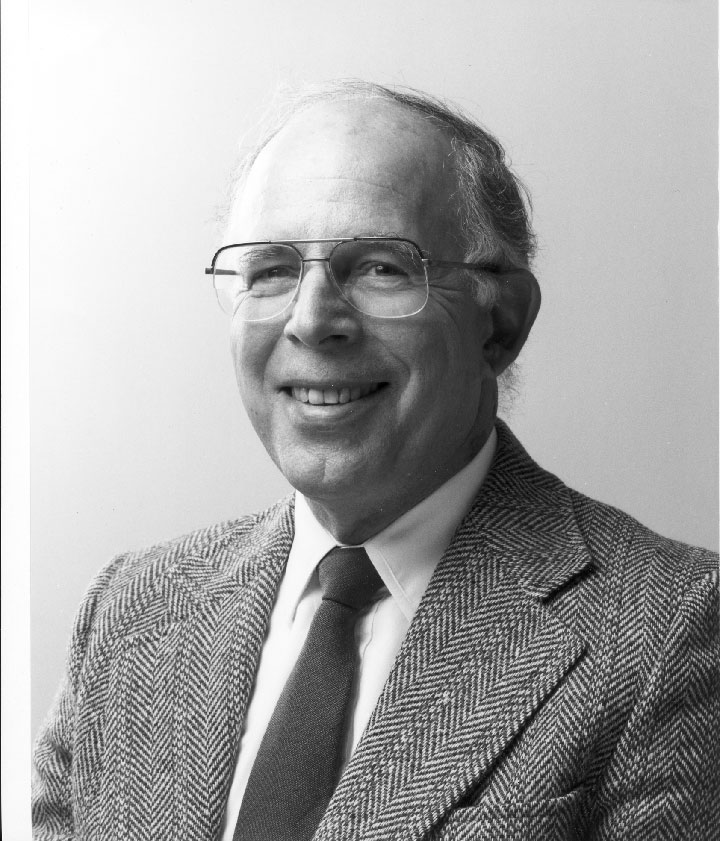
Dr. John H. ("Jack") Gibbons
Jack served from the beginning of the Clinton Administration in 1993 until 1998 as Assistant to the President for Science and Technology, Director of the White House Office of Science and Technology Policy, and Co-Chair of the President’s Council of Advisors on Science and Technology (PCAST). His influence in the Clinton White House was evident in the Administration’s signing the Comprehensive Nuclear Test Ban Treaty (which, alas, the Senate has never ratified, even though the United States has not conducted a nuclear-explosive test since 1992); in increased cooperation with the former Soviet Union to keep nuclear materials from falling into the wrong hands; in ramped-up government attention to global climate change, including, very importantly, significant increases in budgets for energy research, development, and demonstration; in new initiatives in biomedical research; in the establishment of the National Bioethics Advisory Commission; and much more.
Learn more about


White House Blogs
- The White House Blog
- Middle Class Task Force
- Council of Economic Advisers
- Council on Environmental Quality
- Council on Women and Girls
- Office of Intergovernmental Affairs
- Office of Management and Budget
- Office of Public Engagement
- Office of Science & Tech Policy
- Office of Urban Affairs
- Open Government
- Faith and Neighborhood Partnerships
- Social Innovation and Civic Participation
- US Trade Representative
- Office National Drug Control Policy
categories
- AIDS Policy
- Alaska
- Blueprint for an America Built to Last
- Budget
- Civil Rights
- Defense
- Disabilities
- Economy
- Education
- Energy and Environment
- Equal Pay
- Ethics
- Faith Based
- Fiscal Responsibility
- Foreign Policy
- Grab Bag
- Health Care
- Homeland Security
- Immigration
- Innovation Fellows
- Inside the White House
- Middle Class Security
- Open Government
- Poverty
- Rural
- Seniors and Social Security
- Service
- Social Innovation
- State of the Union
- Taxes
- Technology
- Urban Policy
- Veterans
- Violence Prevention
- White House Internships
- Women
- Working Families
- Additional Issues