Health Care Blog
American Jobs Act by the Numbers: 1:1
Posted by on October 25, 2011 at 3:21 PM EST
Today, the Obama Administration challenged each of the 8,000 Community Health Centers around the country to hire one veteran, effectively opening up 8,000 jobs to our unemployed vets. These health centers, which provide primary care services in typically underserved areas, are a major piece of President Obama’s historic health care reform law.
Veterans who are committed to serving their country and their communities are well suited to serve in a number of capacities at community health centers, both in administrative and care-providing positions. Yet many former military medics who want to work as nurses, physician assistants, or in other health care jobs when they leave the military are often not given credit or credentials for the skills they developed while serving.
Health centers are also an integral source of local employment and economic growth in many low-income communities. Thanks in part to support from the Affordable Care Act, health centers across the country have added more than 18,600 new full-time positions since the beginning of 2009, many of them in the nation’s most economically distressed communities. Jobs like these are crucial to the health of our economy.
In order to fast-track former military medics into jobs in community health centers and other parts of the health care system, today the Health Resources and Services Administration pledged to open up career-paths into a variety of health care jobs and expand opportunities for veterans to become physician assistants. Through this initiative, HRSA will give priority in physician assistant grant awards to universities and colleges that help train veterans for careers as physician assistants.
We can’t wait any longer to help our unemployed veterans find jobs. The initiatives announced today aren’t a replacement for the bold steps we need to strengthen our economy for the long-term, but our problems are too serious, and the stakes are too high to do nothing. While President Obama will continue to work with Congress to pass the American Jobs Act, piece by piece, he will increase his focus on executive actions like this one that helps our veterans because the American people simply can’t wait.
Transforming the Way We Care for Our Country’s Most Vulnerable Citizens
Posted by on October 24, 2011 at 2:08 PM ESTEd. Note: Champions of Change is a weekly initiative to highlight Americans who are making an impact in their communities and helping our country rise to meet the many challenges of the 21st century.
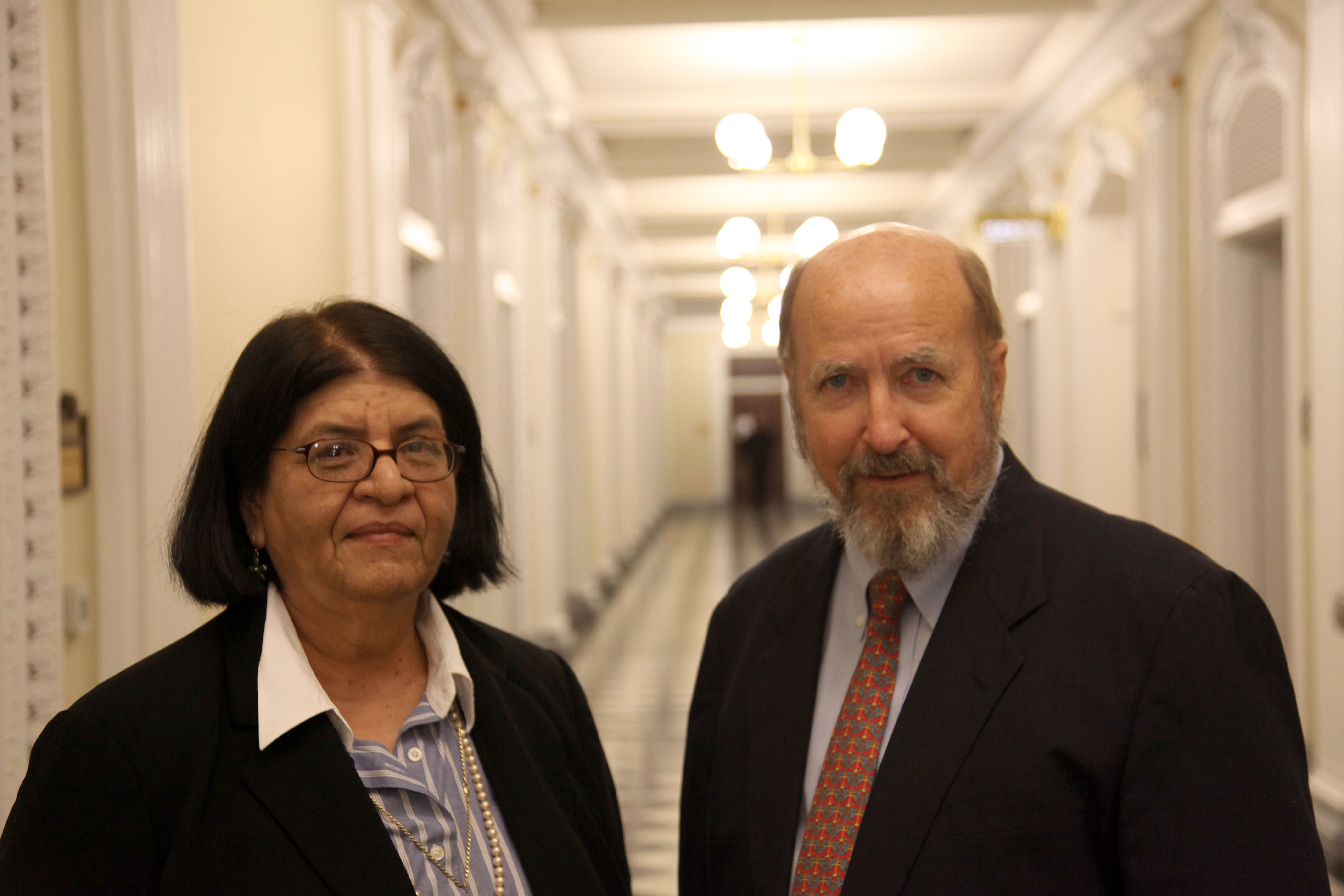
The Brownsville Community Health Center and Texas RioGrande Legal Aid have been recognized by the White House as Champions of Change for their Medico-Legal Partnership. The MLP model has emerged in recent years, growing from less than one hundred projects five years ago into a system that serves low-income patients in more than 235 hospitals and health centers around the country. It's a movement that grew from a fairly simple concept: that often patients who are poor need lawyers as well as doctors to address their medical conditions. A pediatrician in a health center in an impoverished community diagnoses a child as dyslexic, but realizes that the local school district is not providing special education services, or is frustrated because another child is not responding to asthma treatments because she lives in a mold-invested apartment. At the Brownsville Center, both of those patients are referred to the TRLA lawyer in the office down the hall, and legal advocacy for the family becomes part of the treatment protocol.
Learn more about Health CareReducing Regulatory Burdens in Health Care, Saving More Than $1 Billion
Posted by on October 18, 2011 at 10:55 AM ESTOn January 18, President Obama called for an unprecedented and ambitious government-wide “lookback” at federal regulations. The lookback requires all agencies to reexamine their significant rules and to streamline, reduce, improve, or eliminate them.
A few months ago, and after consulting with the public, over two dozen departments and agencies released plans to remove what the President has called “absurd and unnecessary paperwork requirements that waste time and money.” And we’re continuing our work to identify and eliminate regulations that don’t make sense.
Just a small fraction of our burden-reducing reforms promise billions of dollars in savings over the next five years. And many of these changes overlap with the recent recommendations of the President’s Council on Jobs and Competitiveness.
Today, one part of this larger effort is moving forward. The Department of Health and Human Services is announcing three sets of important reforms that are expected to save more than $1 billion every year in health care overhead and paperwork costs. These reforms are aimedat reducing unnecessary, obsolete, or burdensome regulations on American hospitals and healthcare providers.
Learn more about Health CareRate Review: Cutting Costs for Consumers and Small Businesses – Chapter One
Posted by on October 13, 2011 at 8:35 AM ESTToday, consumers got some good news when a big insurance company – Blue Shield of California – announced it will be returning $295 million to consumers and the community by the end of the year. This announcement will provide some much needed relief to families who have seen their premiums increase in recent years. And it’s the fourth positive announcement we’ve heard this week alone about health insurance premiums.
Before the Affordable Care Act became law, many insurance companies could raise your premiums without any transparency or accountability. If you wanted to know why your rates were going up, they were under no obligation to tell you.
Thanks to the Affordable Care Act, that’s all changing. Starting September 1, 2011, in every State and for the first time ever, insurance companies are required to publicly justify their actions if they want to raise rates by 10 percent or more. The Affordable Care Act also included $250 million to help States strengthen their rate review procedures so they can successfully fight high premium hikes and help keep costs under control.
Making the insurance marketplace more transparent and holding insurance companies accountable is good for consumers. Accountability and transparency can help drive costs down and give you more information about your health insurance choices.
Learn more about Health CareDr. Biden: October Is the Time for Each of Us to Consider the Role We Can Play in Combatting Breast Cancer
Posted by on October 12, 2011 at 8:28 AM ESTOctober is Breast Cancer Awareness month, and it’s an important time to consider the role that each of us can and must play in combating this disease. Far too many of us have lost a loved one to breast cancer – or seen a neighbor or a colleague endure painful treatments or a long battle with the disease.
We know that early detection can make all the difference. And I am proud to be a part of an Administration that is working hard to ensure that affordable and accessible preventive care is a reality. Thanks to the health reform law, the Affordable Care Act, most private health plans and Medicare cover women’s preventive health care – such as mammograms and screenings for cervical cancer –with no co-pays or other out-of-pocket costs. This year to date, 3.8 million women in traditional Medicare have received a free mammogram.
Last week, Secretary of Health and Human Services Kathleen Sebelius, Jennifer Aniston, and I toured a state-of-the-art breast health center in Northern Virginia. We met with committed health professionals as well as with women who shared personal stories about their battles with breast cancer.
There is no question that we have a lot of work ahead of us – but I will say that we were all inspired and hopeful after the visit. Please take a minute to see some highlights of our visit, and hear first-hand from some of these inspiring women.
Forward this video to your loved ones, together we will win this fight!
-Jill
Learn more about Health Care, Women"I Have Cancer, But Cancer Doesn’t Have Me"
Posted by on October 10, 2011 at 12:03 PM ESTEd. Note: Champions of Change is a weekly initiative to highlight Americans who are making an impact in their communities and helping our country rise to meet the many challenges of the 21st century.
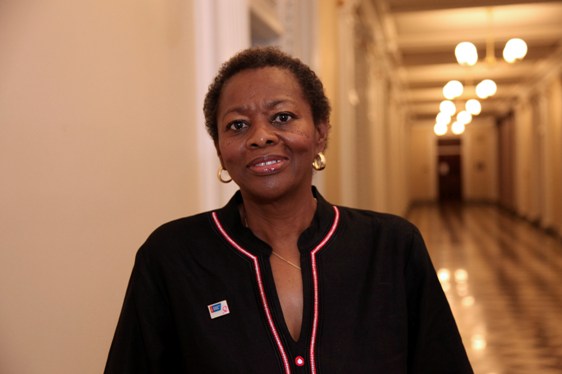
I believe in the saying that if you give to the world the best you have, the best will come back to you. I have tried to live my life inspired by this mantra—and I have tried to inspire and influence others to do the same. My fight against breast cancer and my work to educate and help others facing the same challenge have defined my life for the past four years. My volunteer work in building stronger communities in Washington, DC and in my home state of North Carolina has been my passion for over thirty years. And while the impact of my efforts alone may be limited, I believe those efforts have been greatly magnified by the efforts of countless volunteers who have responded to my positive example and found ways to serve their communities in countless ways.
My dream of visiting the White House was realized when the American Cancer Society Cancer Action Network nominated me as a Champions of Change, in recognition of my work helping to fight against breast cancer. When I was diagnosed in June 2007 with a rare form of breast cancer, my world and my life perspective changed drastically. The harsh treatments—chemotherapy, surgery and seven weeks of radiation—took a toll on me, changing the very essence of who I am and limiting my abilities to accomplish some of my dreams. Now, I am a breast cancer survivor, certified breast health educator, community navigator, youth worker, and Ambassador for the American Cancer Society Cancer Action Network.
A major lesson I learned along the way was the value of family members, friends, communities, and colleagues--they provide identity, support, joy and comfort. They make the fight against this disease tolerable. No one who travels the breast cancer journey should have to make this journey alone.
Almost from the inception of my diagnosis, I vowed to fight back and use my voice to increase funding for cancer research and to make it a national priority. I have vowed to use my experience as a survivor as a beacon of hope and inspiration for others who have the disease or who have lost a loved one.
Today, I serve as a community navigator for Smith Center for Healing and the Arts, where I regularly navigate 18-20 patients, providing moral support and a listening ear. I help arrange mammography appointments, connect patients with financial and housing resources, and identify other needs, such as transportation, lack of education, and fear about the disease.
Yes, I have cancer, but cancer doesn’t have me. I have a voice and a story that can help inspire and give hope to others who are fighting the disease.
Thelma Jones is a four-year breast cancer survivor who is a relentless cancer advocate and certified breast health educator for the American Cancer Society (ACS) and community navigator for Smith Center for Healing and the Arts.
Learn more about Health Care, Women
- &lsaquo previous
- …
- 106
- 107
- 108
- 109
- 110
- 111
- 112
- 113
- 114
- …
- next &rsaquo
From the Press Office
Related Videos
-
 December 13, 2016 5:04 PM
Signing Ceremony for the 21st Century Cures Act
-
 December 10, 2016 5:00 AM
Weekly Address: It’s Time to Get Covered on the Health Insurance Marketplace