

Latest News
Roads and Transportation on the Navajo Nation
Posted by on February 15, 2012 at 1:30 PM EST
I’m a member of the Navajo Nation, the largest Native American Tribe in the U.S. We live in parts of New Mexico, Arizona, and Utah on land we have occupied since the beginning of our time on this continent. Our land area is over 27,000 acres with a population exceeding 250,000. Elevations in parts of our land range from 4,000 feet to over 12,000 feet encompassing high deserts with sparse vegetation to land heavily forested with Ponderosa pine. We experience drought, heavy rainfall and abundant snowfall. Most of our people still live in isolated rural areas where generations of their relatives lived on land connected to their history, customs and traditions.
The Navajo Nation has over 18,000 miles of roads; over 15,000 of those miles are not paved yet provide the only means for children and families to get to schools, hospitals and markets. Most Navajo households are located miles from paved roads which are accessible only by dirt roads which are highly susceptible to damage from heavy snows, floods, and washouts making roads useless for travel and pose risks for school buses and families; sometimes people are stranded for days at home unable to drive out to major roads.
I am appointed by the President of the Navajo Nation to guide of the Navajo Division Transportation. I provided the foregoing snapshot of our land and people as a backdrop to my message on the roads and transportation challenges we face, and, the absolute need for cooperation and sharing among people and organizations to improve life on the reservation.
Needless to say, paved roads are highly valued for dependable, safe travel in most weather conditions. Many of our families have had to move closer to paved State, County and B.I.A. roads for convenience and safety. U.S. Highway 491 is one such road which connects with Inter-state 40 in Gallup, New Mexico, and runs north through the Navajo Nation into Colorado. The route was named Highway 666 before it was renamed due to people’s discomfort with the numbers “666”and the bad omens associated with it. The concern was very real due to the historically high number of vehicle crashes and fatalities on the route. Highway 491 was always a two lane road not sufficiently designed and constructed to handle the heavy traffic assigned to it. Trucks of every description exiting Inter-State 40 use it to haul homes, hazardous material, and everything in between competing with school buses and families which share the highway along the corridor. A general public outcry for a safer four lane highway, with a median separating north and southbound traffic had been heard for years. Funding for re-construction of the highway was not available despite repeated attempts to find funding. In the meantime Highway 491 maintained its reputation as an unsafe, bad road.
Solving the Aquifer Dilemma: Turning Waste into Water
Posted by on February 15, 2012 at 1:30 PM EST
I am always disappointed by the argument that we must compromise our concerns for the environment when jobs may be adversely affected. I am the mayor of a small city in Louisiana where an underground aquifer (Sparta aquifer) serves as the major source of fresh water for our community and for all or part of 14 additional parishes (counties) in our state. An extensive engineering study published in 2001 documented the danger that the Sparta aquifer had a much larger daily drawdown than its recharge capability, resulting in rapidly declining levels in our water wells. The largest single user of water from the aquifer is a paper mill that is also our largest provider of high-paying manufacturing jobs. Faced with the threat of irreparable damage to this precious natural resource, we began a search for a solution to the problem, a solution that would preserve the aquifer and also protect those essential jobs.
Although the engineering study of the aquifer offered a variety of suggested solutions, none were within the financial capability of our community. We took an approach not mentioned in the study. We began a search for an acceptable alternative source of water to meet the mill’s needs. Because the product produced by the mill came in contact with food, the alternative water had to meet EPA primary and secondary drinking water standards.
Fiber Optic Networks: Powering the Next Wave of Education
Posted by on February 15, 2012 at 1:30 PM EST
MCNC is a 30+ year old non-profit corporation. It was created to seed technology based economic development in North Carolina and to provide advanced network services to the 17 institutions of the University of North Carolina System. At the time of MCNC’s creation in 1980, the network services offered were a combination of microwave video and proprietary data connectivity over copper.
MCNC’s provision of network services has evolved and over the last 3 decades. With the onset of Internet Protocol and high speed fiber & high capacity fiber optic networks, MCNC’s helped build the North Carolina Research and Education (NCREN) network to serve the broadband connectivity needs of public education, public health and healthcare and other community anchor institutions in North Carolina. NCREN is a high speed, low latency optical backbone that today serves the bandwidth needs of:
- All 17 institutions of the University of North Carolina System
- All 58 North Carolina Community Colleges
- All 2410 K12 schools in the state
- 26 K12 charter schools
- 27 of 36 independent colleges and universities
- 20 non profit, mainly rural hospitals
- 55 County health agencies and county run free clinics
- Research Institutions, a few libraries, a growing number of public safety organizations across local, county and state government
Connecting Rural Communities
Posted by on February 15, 2012 at 1:30 PM EST I am extremely honored and humbled to have been selected as a Champion of Change. My employer, Venture Communications, and many other rural telecom companies like it, are serving rural customers throughout our country. I’m so proud to be part of a community of people that make it their priority to ensure that every American can be connected to the global economy for job opportunities, commerce, healthcare, education and a myriad of other benefits. As President Obama recently said, winning the future is about innovation. Venture Communications and other rural, community-based telecom companies are key innovators serving those who are unserved or underserved.
In our community, we are able to bring distance learning to students who would otherwise not have access to language classes. We connect rural health facilities to those in urban areas so that emergency medical assistance can be provided. We enable our residents to sell their cattle throughout the country through online auctions. These are real life experiences that make our work rewarding and ensure our community is able to thrive.
As the accounting and office manager for Venture Communications Cooperative, I have many responsibilities and opportunities to help and serve people. We are located in a very rural part of South Dakota where distance isn’t measured in how many houses must be passed to reach your neighbor down the street but, instead, how many miles will be passed. Venture Communications has approximately two subscribers for each square mile of service territory. This creates a number of challenges for both my company and the people who live in our rural area. The challenge for Venture is that it is very costly to provide high-quality telecommunications service to our rural subscribers. The challenge for the residents of rural South Dakota is that these services are needed to connect them to the rest of the world for commerce, education, healthcare and information needs.
Environmental Progress Through Intergovernmental Partnerships
Posted by on February 15, 2012 at 1:30 PM EST
I am honored and humbled to have been selected as a White House Champion of Change. This honor stems from my role in bringing solar photovoltaic power to the Water Filtration Plant that provides drinking water to some 200,000 people in Worcester, MA and surrounding towns. I can honestly say that my involvement in this project has been relatively minor and mostly consisted of shepherding it through the City and keeping it moving forward. Nevertheless, I will accept this recognition on behalf of my City and the many individuals and agencies that played pivotal roles in bringing it about.
The Worcester Water Filtration Plant solar photovoltaic project consists of a roof-mounted and a ground-mounted array of solar panels that provide supplemental power to this drinking water treatment facility. The roof array has been in operation since June 2011 while the ground array just went into operation in February 2012. The solar panels produce 135 kW of electric power and are expected to provide 5% of the electrical power needs of the plant. The design and construction of the solar power systems were 100% funded by federal ARRA dollars made available via the State Revolving Fund.
While the solar project will provide some savings to the City and its water ratepayers in the form of reduced electric costs and may play a small role in reducing greenhouse gas emissions, the real story to be told about this project is one of cooperation between all levels of government. It demonstrates that federal, state and local governments working in harmony to each achieve mutually beneficial goals can, in fact, happen.
Innovation in Transportation
Posted by on February 15, 2012 at 1:30 PM EST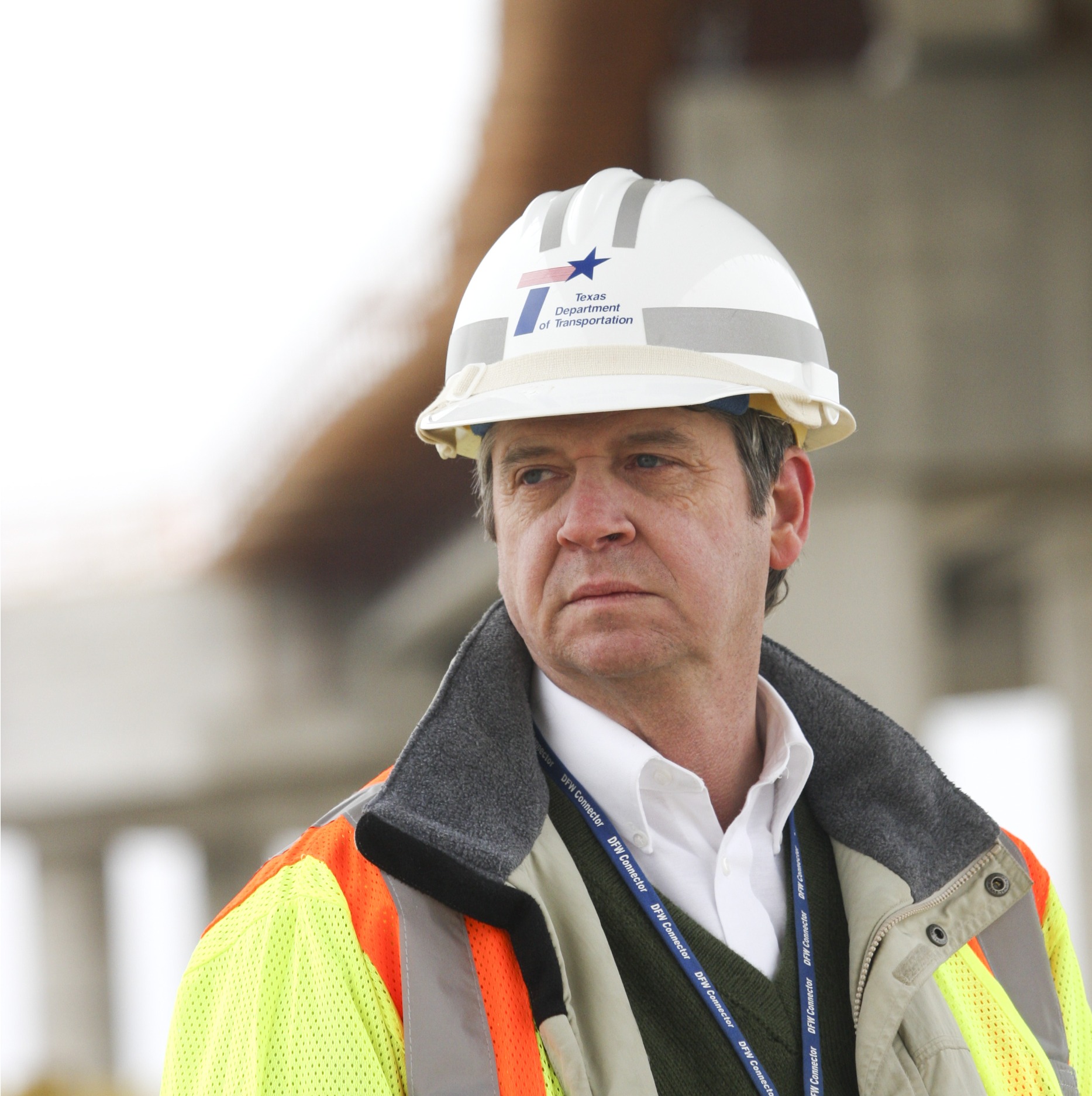 On behalf of the entire DFW Connector project team, I am deeply honored to be selected to receive the White House Champions of Change award.
 State transportation agencies don’t typically come to mind when thinking about organizations that embrace change and come up with bold, new ideas. Initially seen as highly experimental, the DFW Connector project has elevated expectations and established the standards of success and excellence for transportation projects across the state and county.
The challenge that the DFW Connector team faced was an immense one: to unsnarl traffic at the north entrance of the Dallas-Fort Worth International Airport, the world’s eighth busiest. As a part of this project, the team also faced time constraints, lack of funding and extreme congestion caused by 175,000 daily commuters through the area.
The North Texas region desperately (and quickly!) needed the $1.1 billion highway expansion project, which received more federal stimulus funds ($260 million) than any other transportation project in the nation. As such, the project’s owner, the Texas Department of Transportation (TxDOT), needed to find a new method of project delivery.
Green Streets: Using One Approach to Tackle Multiple Environmental, Social, and Economic Goals
Posted by on February 15, 2012 at 1:30 PM EST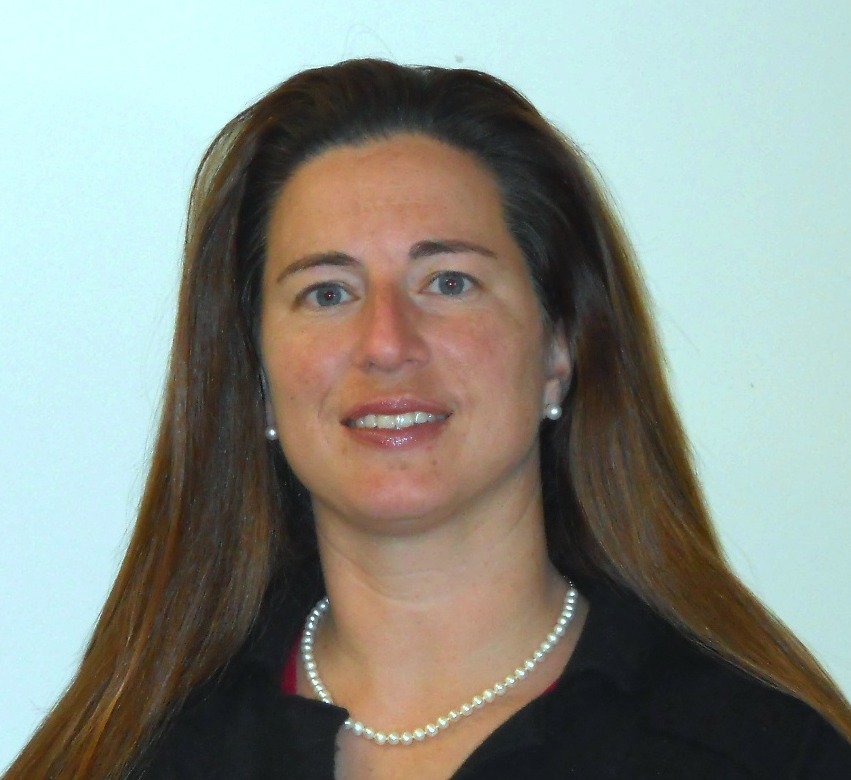
As we go about our busy lives, we often forget the value natural resources bring to our daily routine. Those fortunate enough to have green spaces in their communities often busily drive past the neighborhood park without a glance on the way to work. At times we take for granted the trees providing shade for and adding property value to our homes. And generally we don’t think about where our rainfall goes after it enters the storm drain and begins to degrade the local creek where we might have taken our kids fishing.
When we start to notice is when these resources are missing.
In many urban settings, a new technique is being formulated that seeks to bring back the connection to those natural resources with a cost-effective approach. Communities routinely must repave and sometimes reengineer roadways: What if we leverage these necessary activities and, with only a small additional investment, help our local natural resources, improve quality of life, and train workers in new techniques all at the same time? It turns out this small additional investment may end up saving us money down the road.
Bridging the Gap for New Yorkers
Posted by on February 15, 2012 at 1:30 PM EST
In 1993, the year before I came to the New York City’s Department of Transportation, 72 of the City’s bridges were listed in “poor” condition. Fast forward to today, and I’m proud to say there are only two NYC DOT bridges in that condition … and both of those spans are currently undergoing rehabilitation, getting the care they need to bring them into a state of good repair.
NYC DOT’s Division of Bridges oversees 787 bridge and tunnel structures. As vital components of New York’s transportation network, it takes a lot of hard work and dedication to make all these pieces work in lockstep, and I am extremely proud to represent the 714 DOT employees in my division who manage the City’s capital bridge program, conduct bridge inspections, and maintain our spans and related infrastructure.
The NYC DOT’s Bridges Division team knows that every day we are working to improve the city’s infrastructure and further enhance safety. And our progress delivering on those goals is tangible and in plain sight as people walk across the Brooklyn Bridge, bike over the new Willis Avenue Bridge or drive over the Belt Parkway Bridges in Brooklyn.
Our current project to rehabilitate the St. George ferry terminal ramps is a great example of the positive impact of our work on the lives of everyday New Yorkers. This construction project is also the largest ARRA-funded project in New York State, for which we have an outstanding partner in the FTA.
- &lsaquo previous
- …
- 163
- 164
- 165
- 166
- 167
- 168
- 169
- 170
- 171
- …
- next &rsaquo
Twitter