

Latest News
Fostering Diaspora Mobilization in Humanitarian Action and Beyond
Posted by on January 31, 2012 at 12:30 PM EST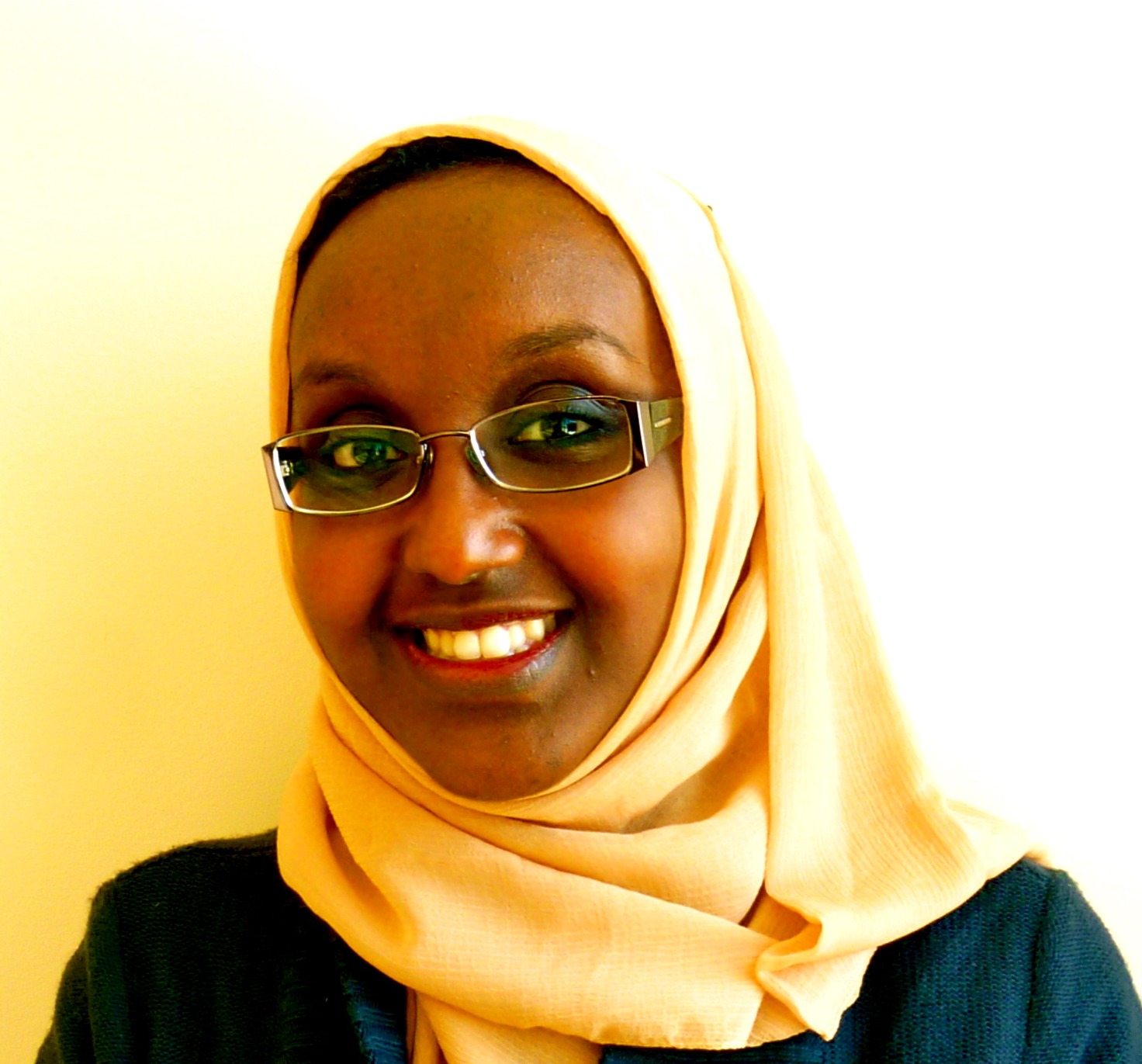
One of my earliest memories as a child was seeing the weak bodies of Somali children displayed on television during the famine in 1991. Twenty years later in the summer of 2011, I again witnessed these painful images. I am currently a first-year student law student deeply interested in international humanitarian law, human rights and global security. With the specter of death looming for East African children, my interest in studying the law and public health grew with urgency. These images galvanized me to act.
Back in 2009, I co-founded the organization Iftiin to provide mentorship and promote networking within the Somali-American community. Using this platform, I spearheaded efforts to mobilize a response to the East Africa famine. I reached out to my networks to raise awareness about the crisis and organized nation-wide fundraisers with other volunteers. Iftiin members reached out to aid groups, hospitals and experts in Southern Somalia to inform our fund-raising efforts, and learn of avenues to reach vulnerable children. Together, we raised thousands of dollars and coordinated one of the first aid convoys inside extremist controlled territory. We also communicated with State Department staff who were proactive in engaging with Diaspora initiatives, and participated in conference calls hosted by the White House. Our efforts in strategizing with small non-profits and providing fund-raising tips to concerned communities throughout the Diaspora underscored how a small group of energetic people can have meaningful impact. Each of these local volunteers is a “Champion of Change”, and I am very honored to be representing our activism at the White House.
Learn more about , , Foreign Policy, ServiceCatazlying Convergence: Bringing our Differences Face-to-Face
Posted by on January 31, 2012 at 12:00 PM EST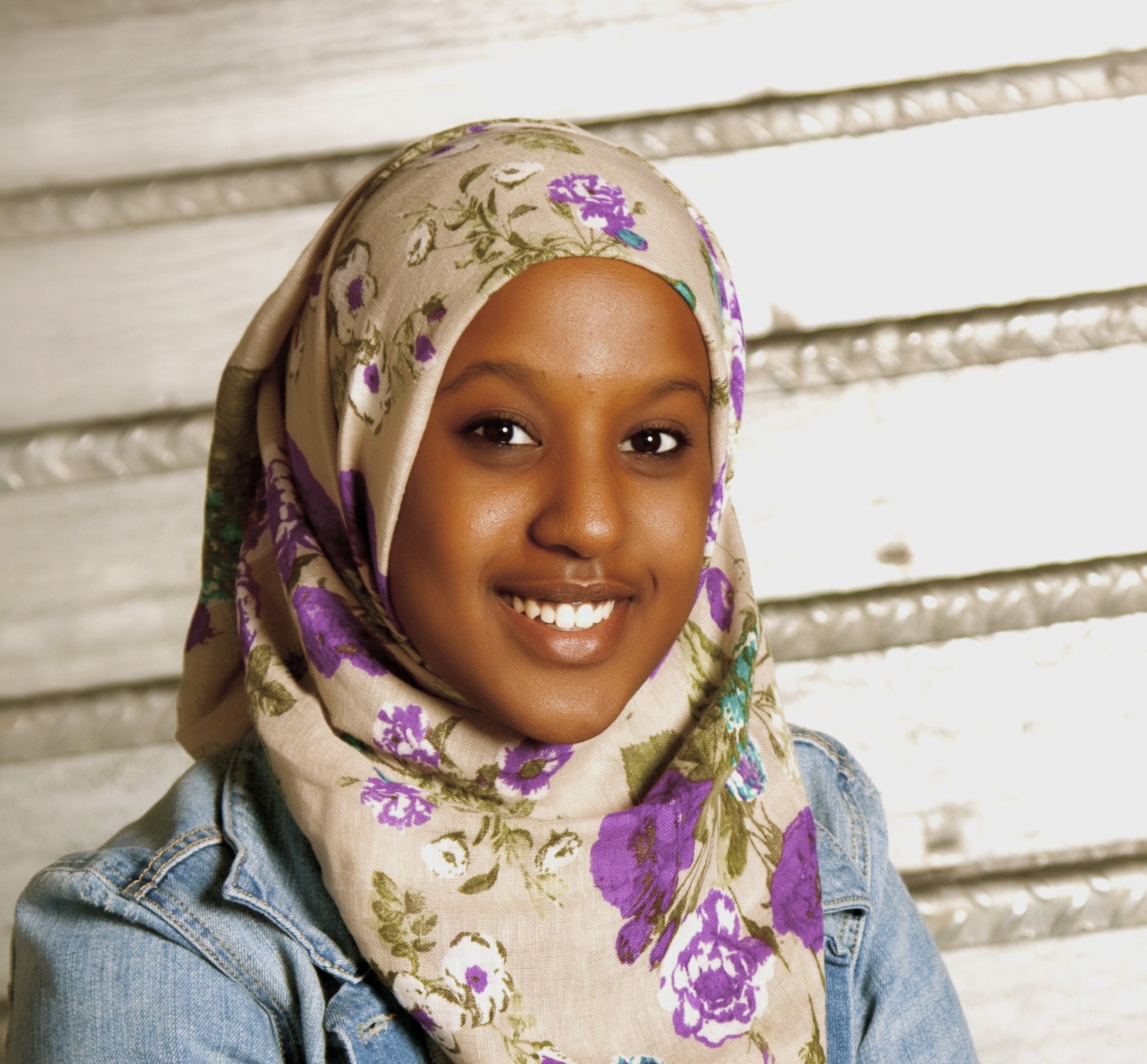
I am extremely honored and humbled to have been selected as a White House Champion of Change, especially as an innovator in the Somali Diaspora community. It is a passion of mine and a privilege to work with the Somali-American community in central Ohio as well as the community at large while working toward cooperation and understanding as we attempt to make a home for ourselves here in the United States.
As a first-generation Somali American in a small central Ohio suburb, I have grown up between cultures. Understanding and appreciating my Somali heritage while also taking part in my distinctly American upbringing, I have been able to take the best of both those cultures and create one distinctly my own. My background as well as my community’s increasing diversity has contributed to my passion for cross-cultural and inter-faith work and dialogue.
When discussing diversity work, the main hindrance to any real change is this idea that finding common ground amongst one another and implementing positive change in our communities together is somehow unrealistic. The work we do in this field is often referred to as idealistic or unattainable, words that do much to stand in the way of productive transformation. On the contrary, it is only through this type of work that we can begin to better our communities and ourselves. Appreciation, awareness, and understanding are not dispensable qualities in a positively functioning community; they are integral to its success. It is because of a thorough understanding of this principle that I seek out opportunities to serve through diversity work in my community, impacting its success today as well as in the years to come.
Learn more about ServiceBridging the Business Gap Between the U.S. and Africa
Posted by on January 31, 2012 at 11:45 AM EST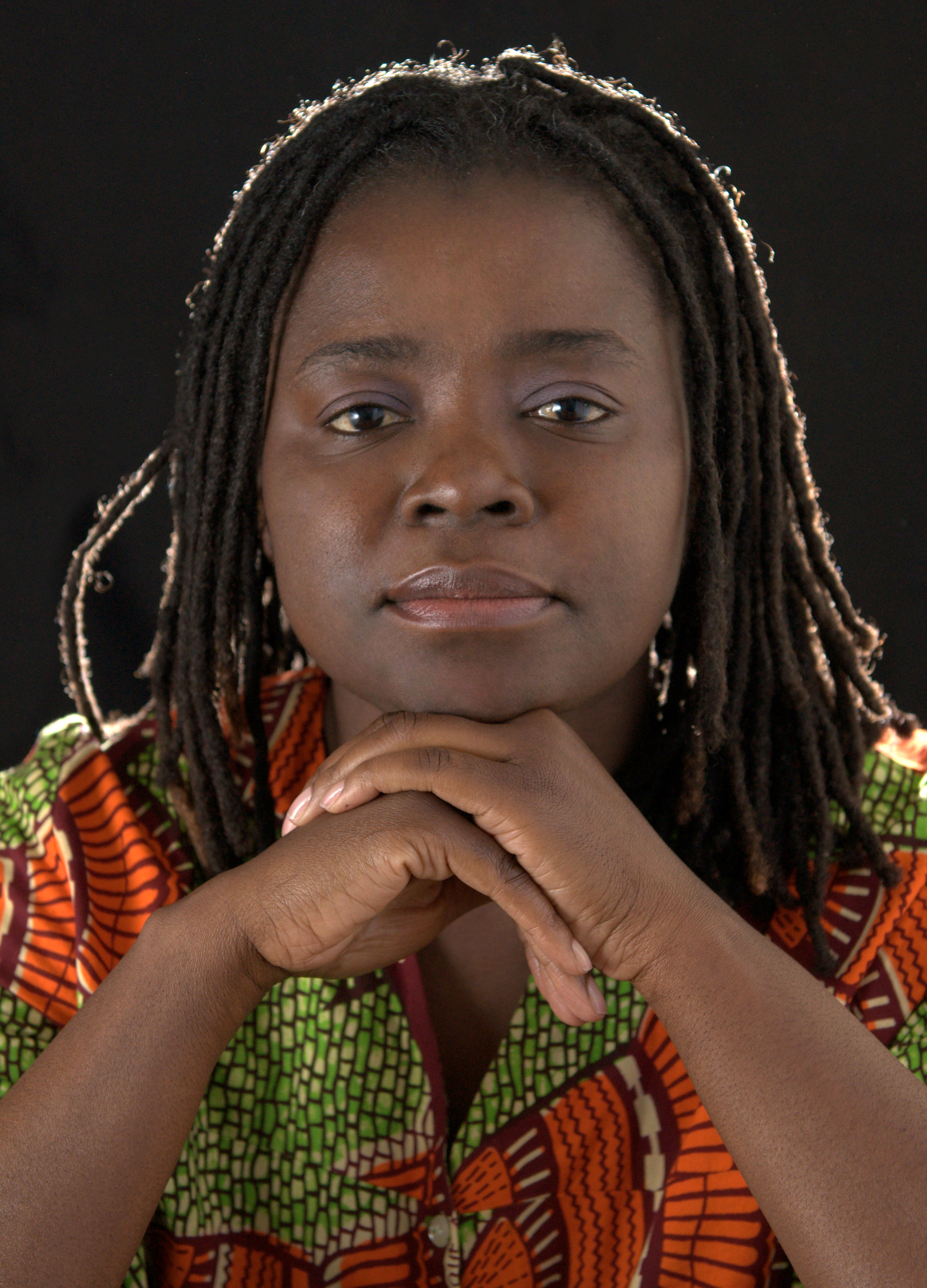 A little over four years ago, a few friends and I sat around the dining table drinking tea (classic activity in the home of most people of Kenyan origin). As always, debate ensued around the state of affairs in Africa, and we touched on politics, education, health, AID, trade, AIDS, assembly plants, and tourism. After discussing business models that effectively bring about change in international trade, we determined that we needed a mechanism that could bridge the gaps in business between the US and Africa. Needless to say, our tea went cold as we contemplated what needed to be done! After months of planning and advice, we established the Sub-Saharan Africa Chamber of Commerce, (SSACC, www.ssachamber.org). So here we are today thankful for all the champions who have supported the conversion of a problem statement into a solution that enables trade and investment between the US and Africa with strong ties that bring together over 1500 public and private institutions.
The question around why Africa didn’t seem a good business destination was raised continuously throughout our debate, and we recognized that we needed to change the lenses through which businesses looked at Africa, by telling Africa’s story and creating awareness around the bustling business community on the continent.
Rarely when questioned would a business person describe Africa as the continent that yields a minimum of 8% Returns on Investment, has 85% cell phone penetration in some countries, develops innovative banking solutions such as MPESA in Kenya, boasts robust stock exchanges in Johannesburg, Lagos and Nairobi or that the origins of PayPal are in South Africa. An acknowledgement of overhauled governance structures as is seen in Rwanda, enhanced gender empowerment, and increased health and education access throughout Africa are usually distant thoughts.
Many are not cognizant of the African designers working for the coveted Italian, French or even American branded lines using African leather and organic cotton, nor is there a realization of the state of the art manufacturing facilities all over the continent. The burgeoning middle class with high buying power is always missed. It is the rare business person who will mention the 6-12 lane highways, a super successful FIFA 2010 in South Africa, large malls scattered throughout the continent, brain surgeries in state of the art hospitals, beautiful golf courses that attract many business people, African naval oranges and pineapples in our grocery stores, wholesome and variant meals, college students chatting on facebook, rich beer that has even the Germans wondering what they could do to augment their ale, vibrant cities with young entrepreneurs, ice skating rinks at hotels, rural life that doesn’t evoke tears.
The tall cranes dotting the landscapes due to the density of construction that is going on throughout the continent don’t get mention. Universities that have thousands of faculty who were either trained locally or abroad are usually overlooked as hubs of innovation and creativity, yet they are pumping out students that deck the halls of Ivy league colleges, World Bank, Wall Street, United Nations, biotech companies, Centers for Disease Control, and even NASA.
The Diaspora as an Intermediary
Posted by on January 31, 2012 at 11:30 AM EST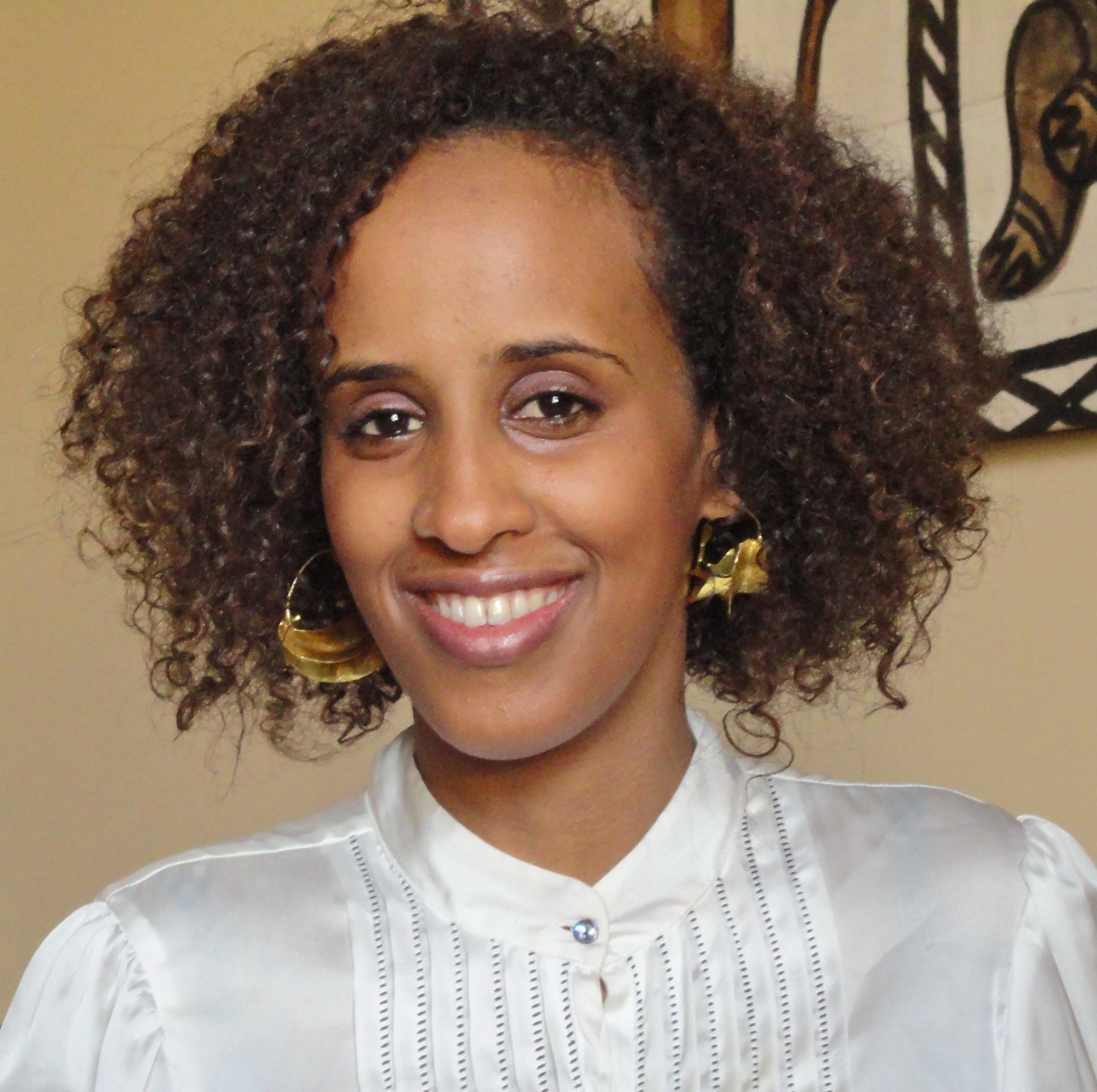 When I left Ethiopia for the United States at the age of 11, I promised that I would return and give back. What a tremendous honor today to be recognized as a Champion of Change alongside a dynamic group of leaders with roots in the Horn of Africa. For the Diaspora, our engagement in social change is inextricably wedded to our lived experiences and personal connections with Africa. One of the most valuable contributions we can make to our communities is to own and tell our stories in whole, placing our work in the context of our personal narratives.
Since I left Ethiopia, I have traveled to and/or worked in approximately 25 countries throughout Africa. I have lived in both disenfranchised inner city neighborhoods and middle class suburban towns across America. I have attended underfunded ESL programs as well as the most elite Universities. Through these encounters, my sense of identity has also expanded and contracted, occupying multiple “minority” statuses as a black woman, an African among Black Americans, and an Oromo, a historically marginalized ethnic group, among Ethiopians.
As I traversed these complex layers of identities, communities, and places, I grappled with questions about the nature and focus of my contribution. Where is community and home? What is the most appropriate and effective role for me in the US, Ethiopia, and Africa? Where do I add the most value and why?Over the past decade, I explored these questions through different academic and career lenses, working with grassroots, international, multilateral, advocacy, and philanthropic organizations.
Documenting and Educating Future Generations
Posted by on January 31, 2012 at 11:15 AM EST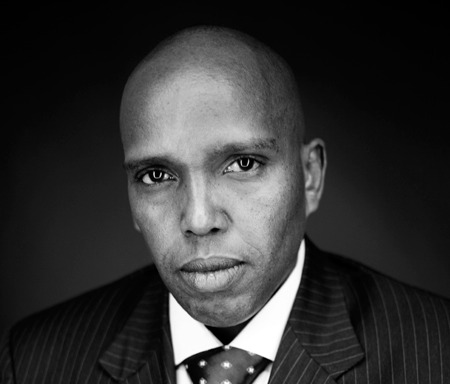 Not long after the civil war broke out in Somalia, I began to see a great number of Somali people coming to Columbus, Ohio where I lived. Columbus is a welcoming place, and at the time, jobs were available. Still, the Somalis and the main stream communities did not immediately understand or adjust to each other. As the numbers began to increase, I began to ask myself how I could help these people from my homeland. I was not a doctor, a psychologist or a social worker; I was a photographer with a desire to help.
 As people from Somalia kept coming, I formed the Somali Documentary Project (2003). The mission of SDP is to provide a documentary history of the worldwide Somali Diaspora, to educate the hosting community about Somali culture, and to advocate for the plight of refugees.
The Somali Documentary Project has been more successful than I ever could have imagined. We have had shows at the Riffe Gallery in Columbus, OH, the Columbus Museum of Art in Columbus, OH, the Bates Art Museum in Lewiston, ME, the Plains Art Museum in Fargo, ND, the Wiseman Art Museum in Minneapolis, MN and the Open Society Institute in New York, NY. We have delivered essays in Mosques, Churches, and Universities in this country and around the world. We have also published a book, and produced a video. Hopefully, these shows and presentations have helped the Somali and mainstream communities come to understand each other, so that they could form respectful, working relationships. The idea has never been that refugees should lose their heritage, but rather that Somalis and Americans can respect each other’s cultures and live together with common goals.
Using Technology to Connect, Engage and Mobilize
Posted by on January 31, 2012 at 11:00 AM EST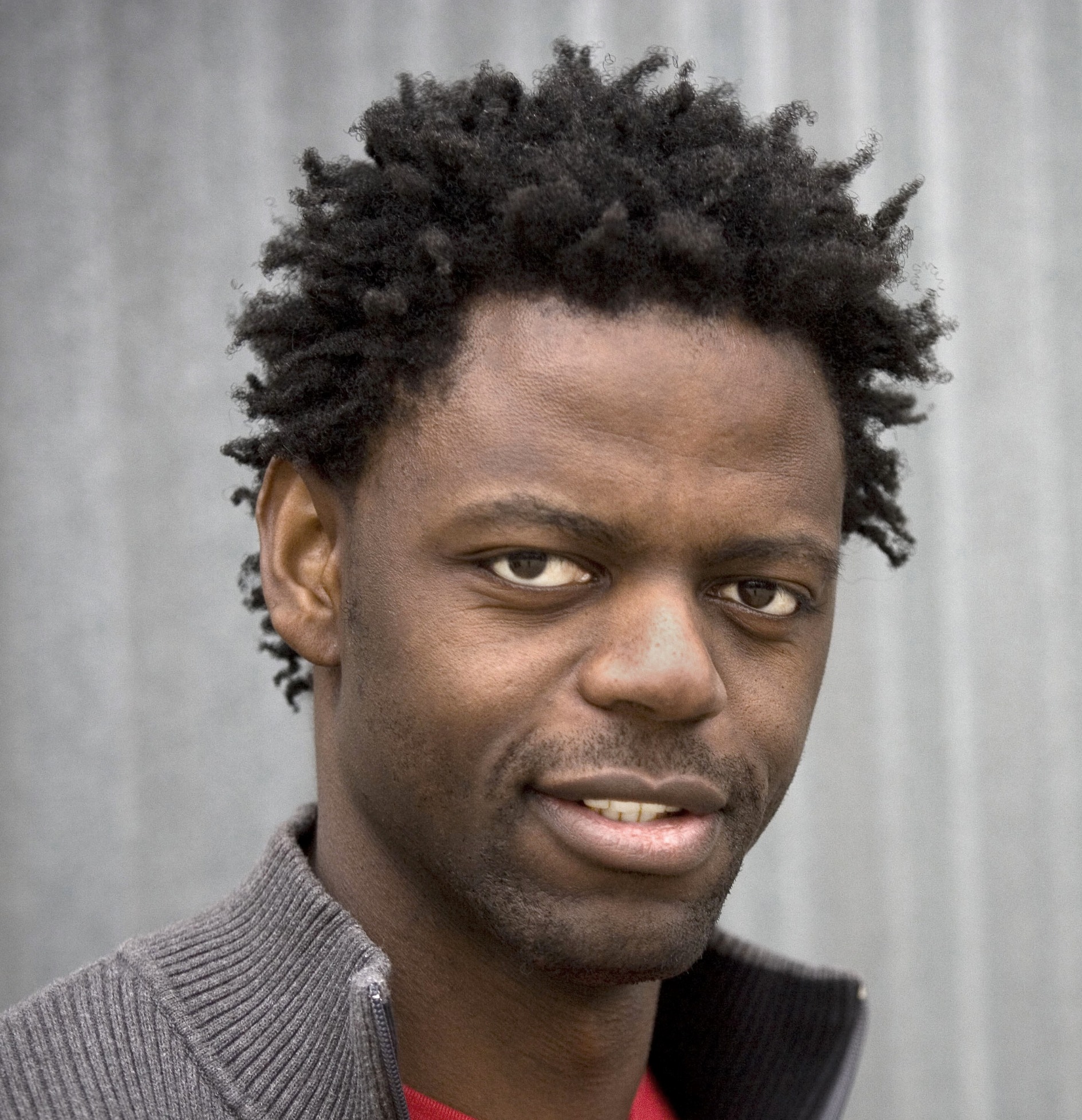 Almost five years have passed since I walked away from a promising career in advertising to venture into the world of what I’ve come to know as international development. Back then, I didn’t know what exactly I wanted to do, but I did absolutely know that I would be happy doing it in Uganda. Back then I didn’t know there other members of the Diaspora yearning to be agents of change on the continent. I certainly didn’t know that I was part of a very unique group of Africans living abroad and awakening to the possibility of what Africa could be.
As early as 2007, my eyes began to witness the full potential of our impact through remittances. I remember wondering if there were other members of the Diaspora feeling the same pull to the continent that I was. I was wondering if, like me, they were putting their siblings through higher education or investing in land. The more I wondered, the more I researched, and the more inspired and driven I was. It felt like I was rediscovering a continent I had left almost 20 years earlier as a child.
There were many members of the African Diaspora working hard to be catalysts of change on the continent. The advent of social media sites like Friendster, MySpace Facebook, and Twitter meant that we could discover each other very easily and across distances. I still haven’t met many of the Diasporas that collaborate with online. Africa, on the other hand, was also busy bridging the communication gap that allowed us to stay connected with our communities in faster and ever cheaper ways. Many of us are transnationals, spending much of our available time traveling back to the continent. Today, the promise of a new Africa is beginning to take shape. When I consider it’s relative youth (40% under the age of 15), the rise of mobile connectivity, and the powerful tandem of the Diaspora’s intellectual capacity and financial muscle, it is hard not to imagine that a renaissance is at hand and the possibilities are boundless.
Youth Leadership and the Transformation of the Community
Posted by on January 31, 2012 at 10:45 AM EST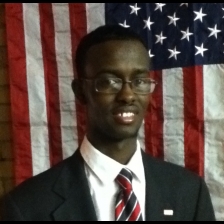 Being involved in my community and taking initiatives to affect positive change has been my passion since I was 14 years old. I grew up and live in Cedar-Riverside area in Minneapolis, a culturally diverse and thriving neighborhood. This community faces many challenges such as unemployment, good education and access to better health care. As a socially-active youth in the community, I was fortunate to have the support and guidance of experienced and dedicated group of people who mentored and helped me learn the robes in community engagement. Being a community leader is a challenging feat, but I believe it is through challenge and adversity that one acquires the strength and character to become a strong leader.
My passion for community involvement began in my early youth. Ever since I was kid, my mother always taught me to give back selflessly to one’s community. I strongly believe that young people need to take active role in shaping a better future for themselves and for their neighborhoods. As the co-founder of the Cedar Riverside Youth Council (CRYC), a youth-led organization that has undertaken ambitious projects including Youth Awareness Week held every Summer to highlight pressing youth issues such as crime, safety, drug and substance dependency and organize rally against youth violence. The organization also organizes Awards night to recognize and appreciate the contribution of select youth for their outstanding contribution in their community.
Empowering African Communities
Posted by on January 31, 2012 at 10:45 AM EST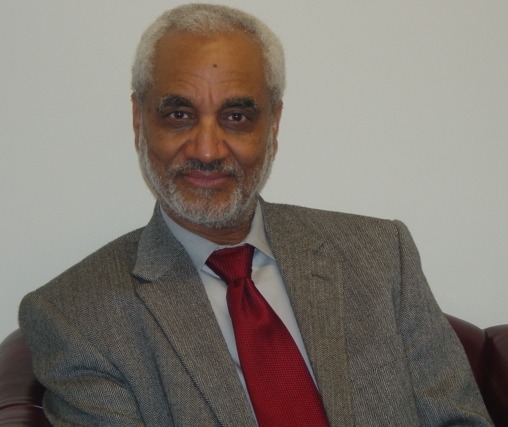 I am honored to be recognized as a White House Champion of Change but acknowledge that this recognition belongs not only to me but also to the thousands of African immigrants and refugees who have given back to their new homeland through remarkable contributions in science, business, culture, the arts, and government. In 1983, I started the Ethiopian Community Development Council, Inc. (ECDC), a non-profit agency, to be a voice for Ethiopian immigrants and refugees in the U.S.; to create public awareness about their challenges and successes; and to serve as a bridge between them and the larger community. Yet since its founding, ECDC has served newcomers from diverse cultural backgrounds from around the world with a focus on African immigrants and refugees.For 28 years now, ECDC’s work has helped people make positive changes in their lives.
In 1991, ECDC was approved by the Department of State as one of the 10 Voluntary Agencies authorized to resettle refugees in the U.S. As the only African community-based organization, we began with four affiliates. Today we have 17 African CBO affiliates whose dedicated staff are making a difference in the lives of those they serve. ECDC has taken a lead in empowering African refugee-based organizations through capacity building, leadership and resource development, and technical assistance to enable them to play a greater role in serving their communities.
- &lsaquo previous
- …
- 167
- 168
- 169
- 170
- 171
- 172
- 173
- 174
- 175
- …
- next &rsaquo
Twitter