

Latest News
Creating a Culture of Preparedness
Posted by on January 19, 2012 at 1:30 PM EST Working with youth and their families to become more prepared for emergencies has engaged me in something that was always so foreign. I never imagined the full impact of a house fire or a flood. Let alone a tornado, hurricane or earthquake. The neighborhoods of Chicago display the work that has begun and the vast amount of work that still remains. Each week I see American Red Cross volunteers hop into Emergency Response Vehicles (ERVs) and drive to the same neighborhoods where we held a fire safety fair the week before. During last winter’s blizzard, people survived but had to endure without the blankets, water and first aid kits that would have made it easier. I have never seen anyone receive a citation for lack of emergency preparedness, but my hope is that we shift the norm by preparing our youth to lessen the impact of future disasters.
Every year the disasters we see are different but the educational programming we provide in schools, home, and churches is constant. The American Red Cross in partnership with the Serve Illinois Commission supports AmeriCorps members in their work to educate thousands of pre-kindergarten through 12th graders how to make a life-changing difference in an emergency. To date our youth preparedness program has engaged over 400 AmeriCorps members and triple that in volunteers. I talk about creating a culture of preparedness; I see it in the AmeriCorps serving, and those that have served, and I see it daily in the kids learning from them.
Learn more aboutStrength in Numbers
Posted by on January 19, 2012 at 1:00 PM EST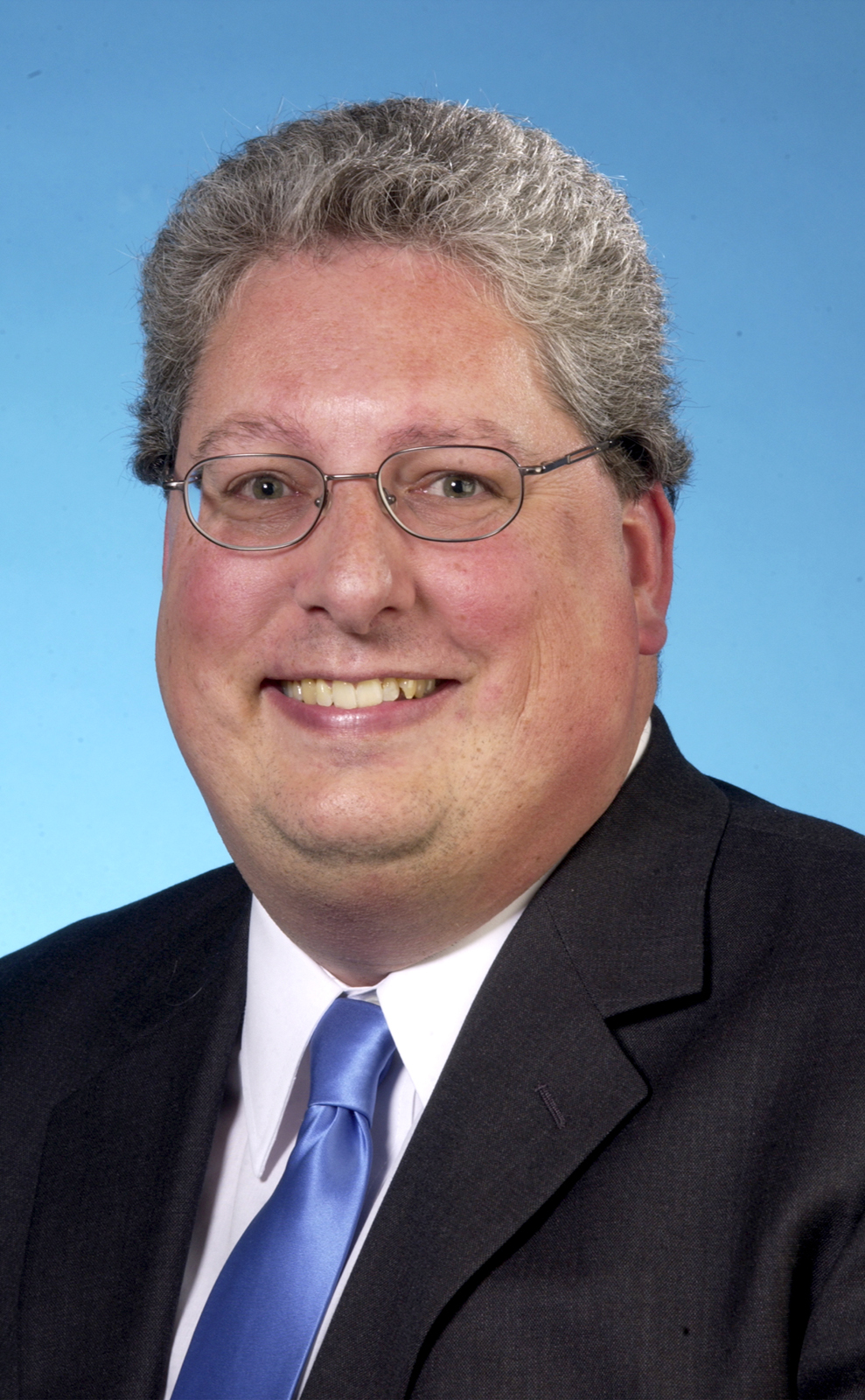 It is an honor to be recognized as a White House Champion of Change for the collaborative work that we have done in Racine County.
Most emergency management offices around the country have limited budgets and are understaffed, while juggling a myriad of tasks and responsibilities including planning, training, disaster exercise facilitation, public outreach and response. As a result, building partnerships and taking a “whole community approach to emergency management” is a necessity, not an option.
According to FEMA, the Whole Community approach is based on the recognition that it takes all aspects of a community to effectively prepare for, protect against, respond to, recover from, and mitigate any disaster. This includes the whole spectrum of emergency management partners—not only the traditional, but also the non-traditional, including volunteer, faith, and community-based organizations; the private sector; and the public, including survivors themselves.
Learn more aboutThe Importance of Community Preparedness and the Whole Community
Posted by on January 19, 2012 at 1:00 PM EST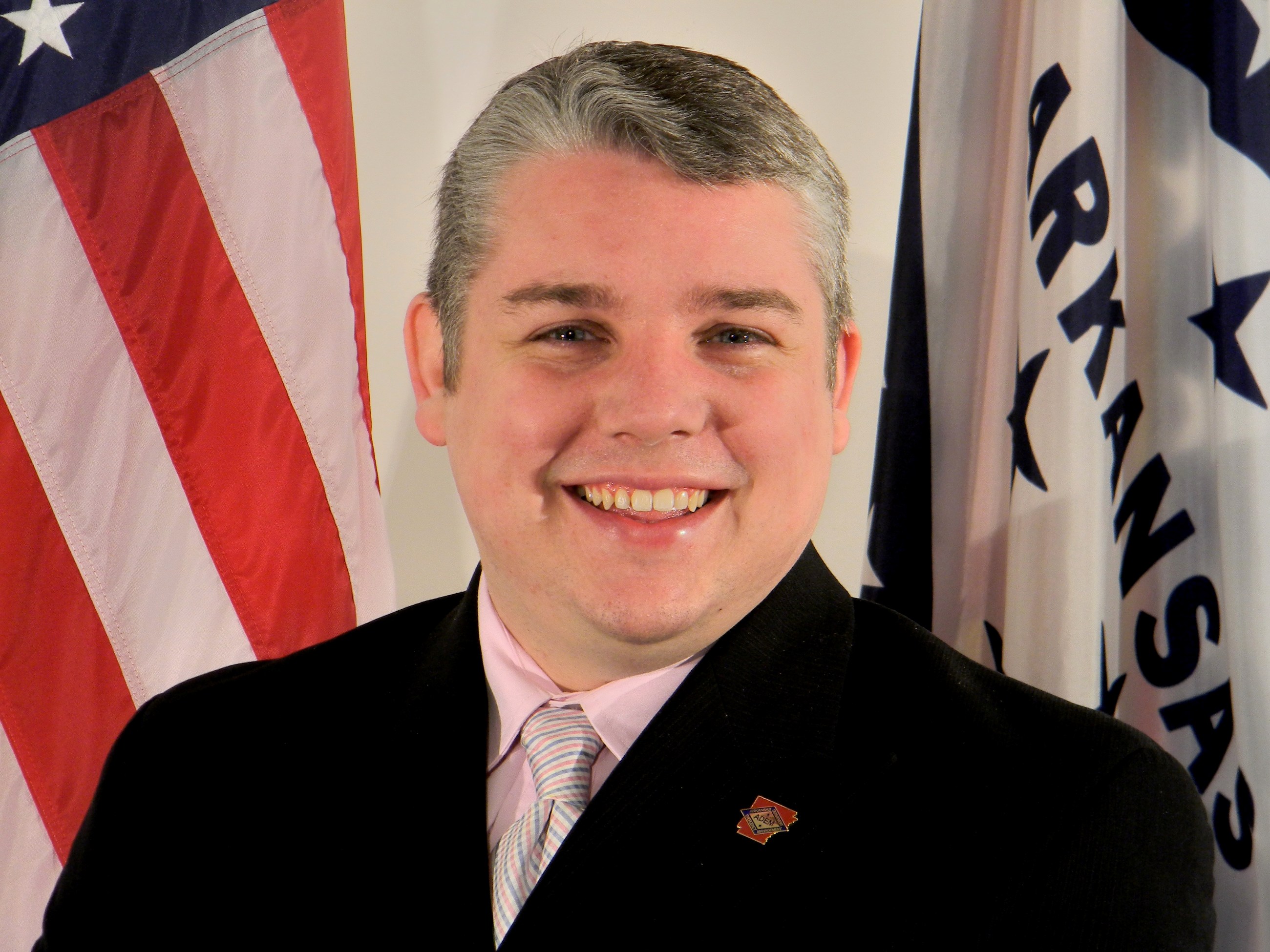 “All disasters are local,” so goes the saying. From the moment an event or disaster happens, citizens are the first, most directly affected. For this reason, programs like the Arkansas Citizen Corps and many others like it, around the country, spend countless hours and dollars ensuring that members of the community are prepared to respond to these catastrophic events. 2011 saw countless natural disasters including flooding, tornadoes and winter weather. Arkansas has seen 12 Federally Declared Disasters since 2008.
When I started at the Arkansas Department of Emergency Management in January 2008, I had been on the job less than 2 weeks when the state experienced a series of tornado outbreaks on February 5, 2008. I was working the State Emergency Operations Center and watched the storms wreak havoc across our state. From February through September of 2008, we had five federal declarations alone. As I worked on disaster deployments in many counties, I saw first-hand how devastating these storms were. In a matter of hours, the lives of countless Arkansans were turned upside down. Fortunately, the loss of life in these storms was low. But any life lost gives us pause to see if there is more we can do to prepare our citizens.
One of the important goals of the Citizen Corps Program is educate and train the community in ways they can prepare themselves. It’s often said that we need to be self-sufficient for at least 72 hours after a disaster. And while this is a good start, many Americans and Arkansans live in rural communities. These 72 hours may need to be adjusted to a week or longer. This self-sufficiency must include everything you need to survive like medications, water for people and pets, food and safe living conditions. Training and classes are available all around the country for the public to better prepare.
The public isn’t the only group who has a role in preparedness. Responders in law enforcement, fire, emergency management, medical response and the private sector are all partners in preparedness. This concept is commonly referred to as The Whole Community. Our work in this area reflects a need to prepare for the needs of all members of communities. Whether that means residents in low-income areas, those with access and function needs or the businesses that an area relies for necessities, everyone must make the effort to plan and prepare for disasters and emergencies that interrupt daily life. The whole community is affected by disasters and the whole community must be a part of the response.
Learn more about , , Economy, Foreign PolicyTranslating Science into Safety
Posted by on January 19, 2012 at 1:00 PM EST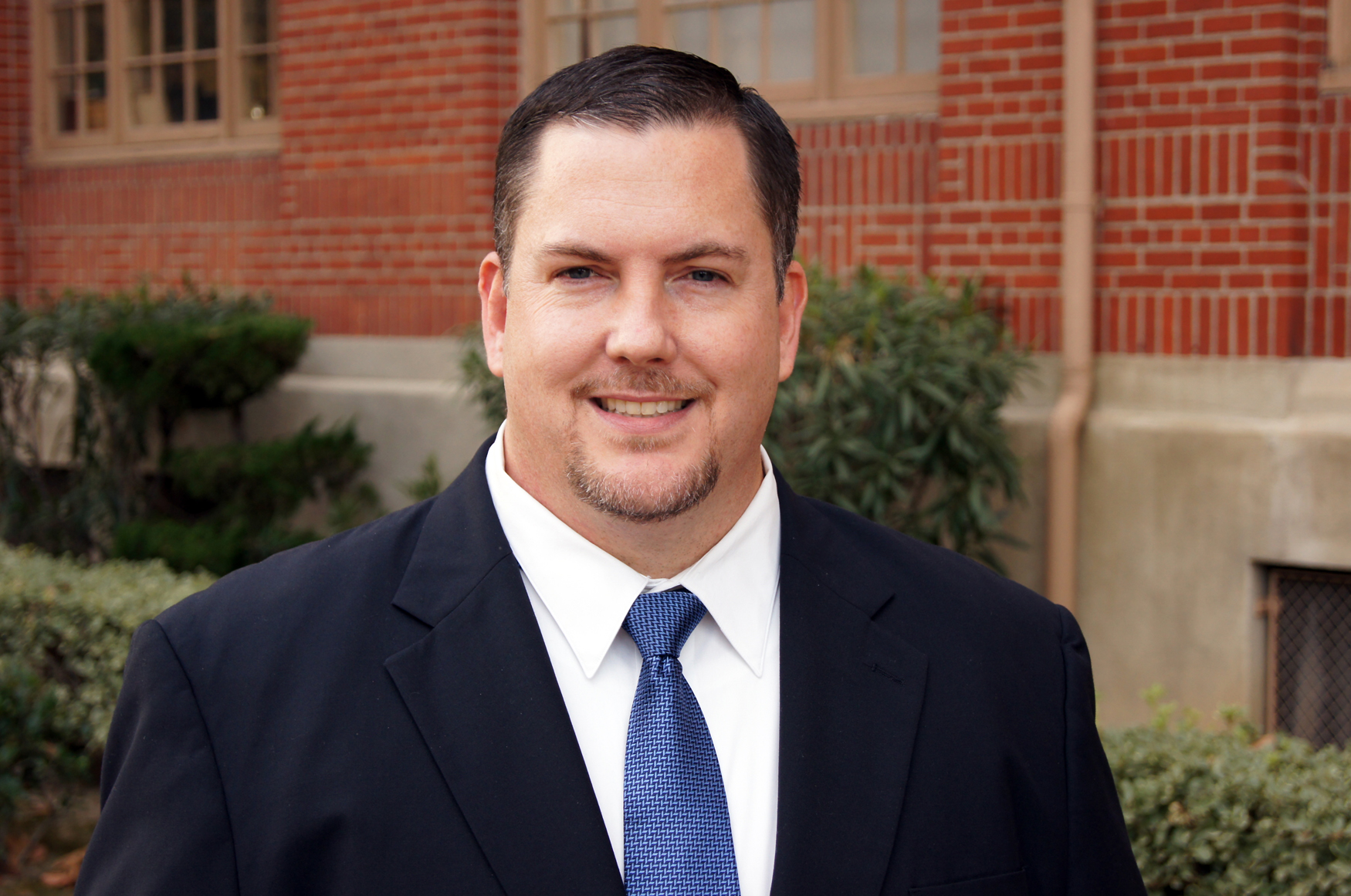 I am honored to be among those recognized as a Champion of Change as part of this year’s Individual and Community Preparedness Awards from FEMA. It’s important for me to start out by noting that, in receiving this recognition, I represent a large and growing group of people committed to earthquake risk reduction across the country. In particular I am fortunate to lead the Earthquake Country Alliance in California, which brings together scientists, government officials, community leaders, and many others to develop shared messages, joint products, and shared activities that help people prepared so they will survive and recover quickly in our next big earthquake. Our cornerstone program is the Great California ShakeOut earthquake drill, (www.ShakeOut.org) which began in 2008 and in 2011 had more than 8.6 million participants throughout the state practice how to protect themselves during a big earthquake: Drop, Cover, and Hold On.
The success of the ShakeOut has demonstrated the importance of involving the whole community in the planning and implementation of preparedness activities, and shows how much can be accomplished when committed people share their expertise, their time, and their resources. With the support of FEMA and the National Earthquake Hazards Reduction Program I have been working with many other states (and several countries) to replicate the ShakeOut model (in 2011 more than 12 million people total participated in ShakeOut drills) and have found the collaboration process profoundly rewarding.
Each new group of partners brings new insights and develops new products that are shared with the rest, developing a global model for motivating preparedness and mitigation. This year ShakeOut drills will be held in more than 18 states and territories, plus also in Canada, Japan, New Zealand, India, several Central Asian counties, and perhaps elsewhere. It’s a growing movement and I’m fortunate to now have so many new partners to develop the ShakeOut far beyond its original one-time-only plan! Beyond just a drill, ShakeOut is now an infrastructure for organizing public education efforts for earthquake preparedness, mitigation, and resiliency.
Understanding the Value of Volunteer Resources
Posted by on January 19, 2012 at 1:00 PM EST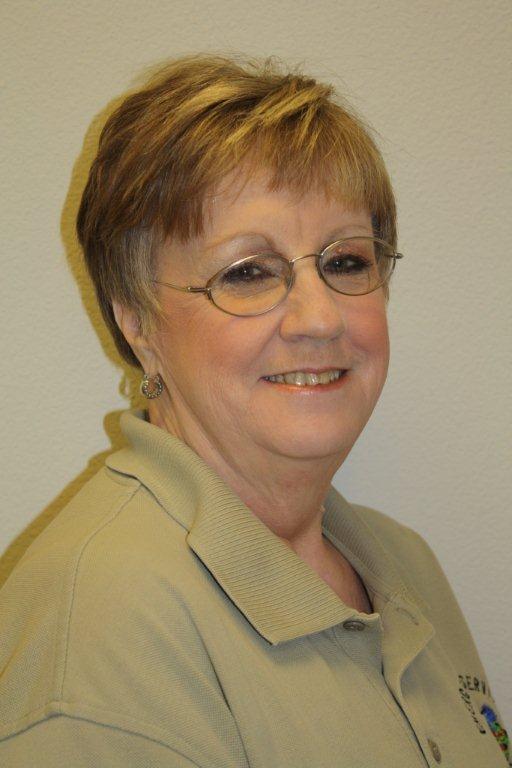 I am honored to have been selected as a member of the White House Champion of Change.
A little about Denton County, located north of the Dallas-Ft.Worth metroplex, population 638,000 plus. We have a CERT program that has several hundred active participants. With our training we have been able to perform search and rescue for missing persons, provided rehab to firefighters working fires big and small, run shelters for persons displaced due to hurricanes, and even assisted with assessing damage due to tornadoes and severe storms.
Often I am asked about why our program is so successful and how we manage to have so many active, involved volunteers. The answer is that we have leadership at the volunteer, local and county levels that truly understands the value of having volunteer resources every day. By having background checked, trained and equipped volunteers we can provide a ready surge of manpower in an emergency, freeing up professional responders or assisting in certain specialties such as logistics or communication. I was able to think outside the box, thinking ahead, establishing a plan and resource to provide a solution. By doing so we have established an Animal in Disaster Response Team, Fire Rehab team that responds 24/7, Shelter Team, Public Education team, Training team and in 2012 we will establish a Board up Team. With so many schedules, we will have 3 meetings a month throughout the county so members will have the opportunity to attend meetings and trainings
As a past chair of Citizen Corps Council thru North Central Texas Council of Governments we strived to close the barriers of jurisdictions, enabling teams not only to collaborate on training and drills, but also opening the doors to each others jurisdictions. This enabled members to cross train and participate outside of their jurisdictions, by doing this it saves on cost and enables teams to work together for the good of all citizens.
Our elected officals Judge Mary Horn and Denton County Commissioners, Department of Emergency Services, Chief/EM Joseph Gonzalez, and Asst Chief Roland Asebedo, not only encourage involvement by our citizens, but go out of their way to provide resources and opportunites for training and working with various local public safety agencies. They trust our volunteers to do the right thing before, during and after any disasters. Many agencies are wary of volunteers due to a precieved lack of training, commitment, or professionalism and that can be a significant challenge. This sense of trust by our local officals has helped break through those concerns, allowing us to be seen as a valuable asset willing to help.
In turn, by being allowed to do our part, our volunteers gain a sense of accomplishment and satisfaction in giving back to the community. At the end of the day, helping our neighbors and strengthening our community thru education is why we do what we do.
I am just a volunteer who has always lived with my granny’s words “if you can’t take care of yourself, how you expect anyone else to take care of you?” CERT has enabled me to take care of myself and my family which includes Denton County.
Brenda Gormley volunteers as the Denton County, Texas, Cert Coordinator and is currently secretary for Denton County VOAD Citizen Corps Council.
Disaster Preparedness Is a Partnership Effort
Posted by on January 19, 2012 at 1:00 PM EST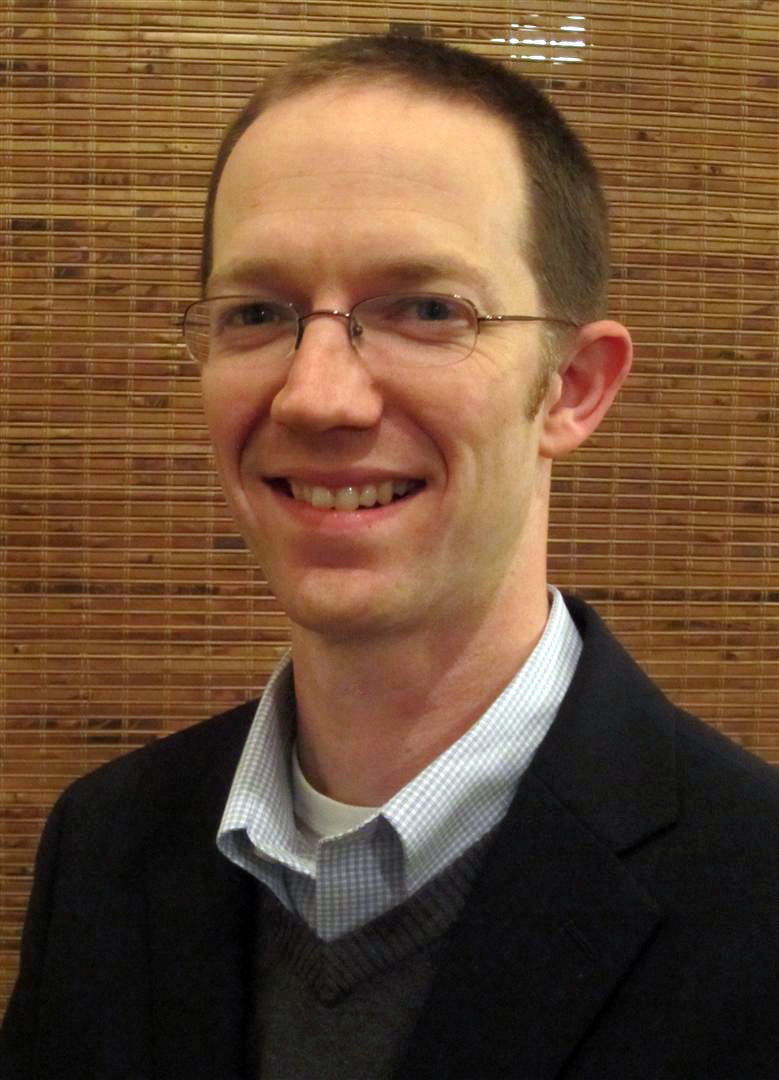 I am honored to be a part of the “Champions of Change” disaster preparedness panel that has been assembled by President Obama’s administration. My representation on the panel is a result of great partnerships with many different individuals and organizations that I have been fortunate enough to work with for nearly a decade. I am but a small part of a collaborative effort known as the National Earthquake Hazards Reduction Program (NEHRP). It is through this collaborative effort that progress and change have been achieved in the area of earthquake risk reduction. Under NEHRP there are hundreds of partners and thousands of people that are doing innovative work every day to strengthen our great nation against earthquakes and other disasters. They too are “Champions of Change”.
Ask anyone involved in emergency management and they will tell you that individual and community preparedness is a key element surviving, responding to, and recovering from any disaster. Earthquakes, unlike hurricanes or other severe weather type events, come with no advance warning. In the last decade, nearly one million people have been lost worldwide to earthquakes or earthquake-induced tsunamis. In 2010 in Haiti, a M7.0 earthquake killed more than 200,000 people and left more than one million homeless. In March 2011, the M9.0 earthquake and tsunami near Tōhoku, Japan demonstrated the ripple effect that earthquakes can have on an international scale, in what has become the world’s costliest ever natural disaster. Fortunately, Japan is the most prepared nation in the world in terms of earthquakes. Having modern building codes, an earthquake resistant building inventory, a strong early warning system, and well-prepared population and government, enabled them to avoid complete devastation.
Taking Community Emergency Response Teams to the Next Level
Posted by on January 19, 2012 at 1:00 PM EST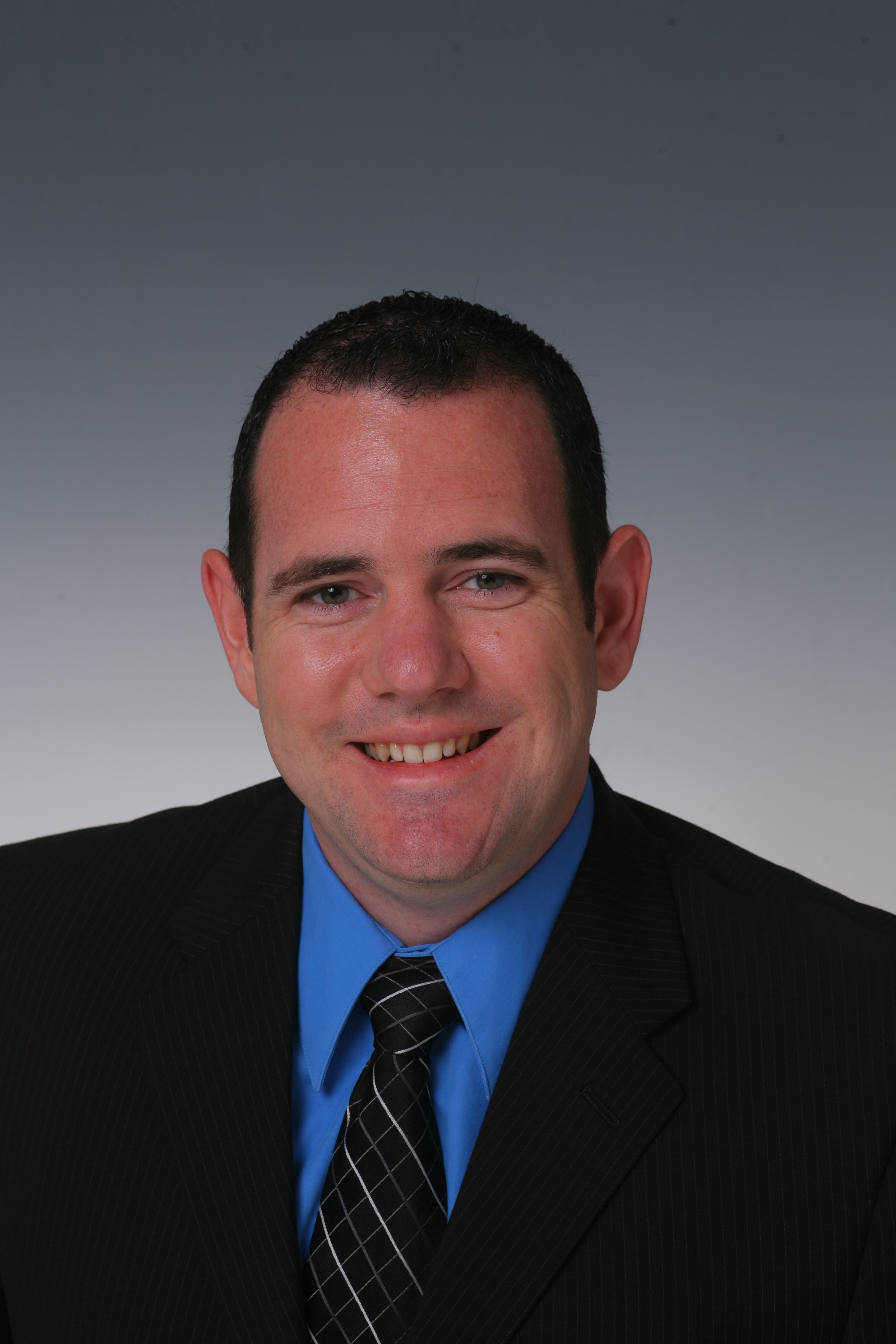 I am extremely honored and humbled to be selected as a White House Champion of Change and to represent NBCUniversal as the program manager for the company’s Community Emergency Response Team (CERT.) As an Emergency Manager and former First Responder, emergency preparedness, personal empowerment, and community engagement are principles I strongly believe in and have dedicated my professional life to.
 Time and again it has been demonstrated that public safety agencies quickly become overwhelmed in times of disasters, and that communities that have citizens who are well prepared and well trained fare better than those that don’t. Disaster volunteers are vital in preparedness and empower ordinary citizens to take action in the event of an emergency. CERT programs provide training to ordinary citizens and allow them to care for themselves, their families and their neighbors during times of extreme crisis. Emergency Managers from around the country have come to the realization that after a disaster, people want and need to volunteer, and that CERT programs are the key to making the most of the valuable resources that reside in every community.
Empowering Communities through Engagement
Posted by on January 19, 2012 at 1:00 PM EST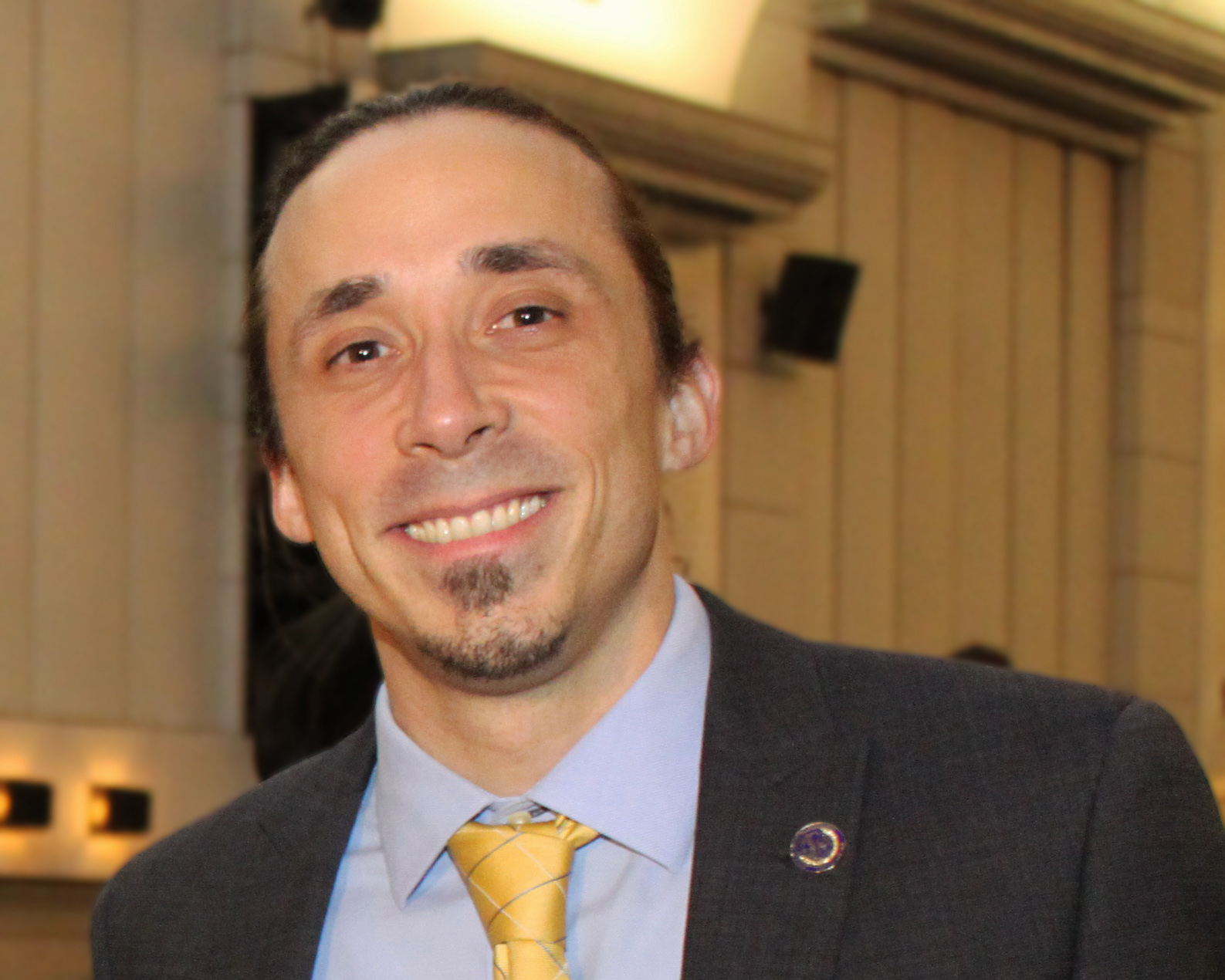 Behind every “Champion of Change” lies a collection of individuals who come together under the universal goals of service, volunteerism, and the desire to build a better community. As the Director of Community Outreach for New York City’s Office of Emergency Management, I work to cultivate this spirit of service by involving members of a community in their emergency preparedness, response, and recovery efforts. I have witnessed the powerful impact of community engagement in emergency situations both in my own city and throughout the world as a Peace Corps Volunteer, a Social Work Community Organizer, and the Co-Chair of the NYC Citizen Corps Council.
In 2008, I became a Peace Corps Volunteer in Zambia assigned to improving water, sanitation, and hygiene education. After assessing the community’s needs, we identified that true water and sanitation improvement included not just the addition of wells and latrines, but also general education and health awareness. Together with the community, we built 25 new wells and a clinic, rebuilt the local school, and implemented an adult education program. When I returned eight years later, the projects were still running thanks to the community’s continued engagement and ownership of their projects. The Peace Corps taught me that real change happens when a community is empowered. I have continued that work through SEED (Self Empowerment through Education) where we provide young people from rural Zambian communities with limited resources the opportunity to obtain teacher certification.
- &lsaquo previous
- …
- 171
- 172
- 173
- 174
- 175
- 176
- 177
- 178
- 179
- …
- next &rsaquo
Twitter