

Latest News
Inspiring Global Business with a Homegrown Approach
Posted by on January 31, 2012 at 10:30 AM EST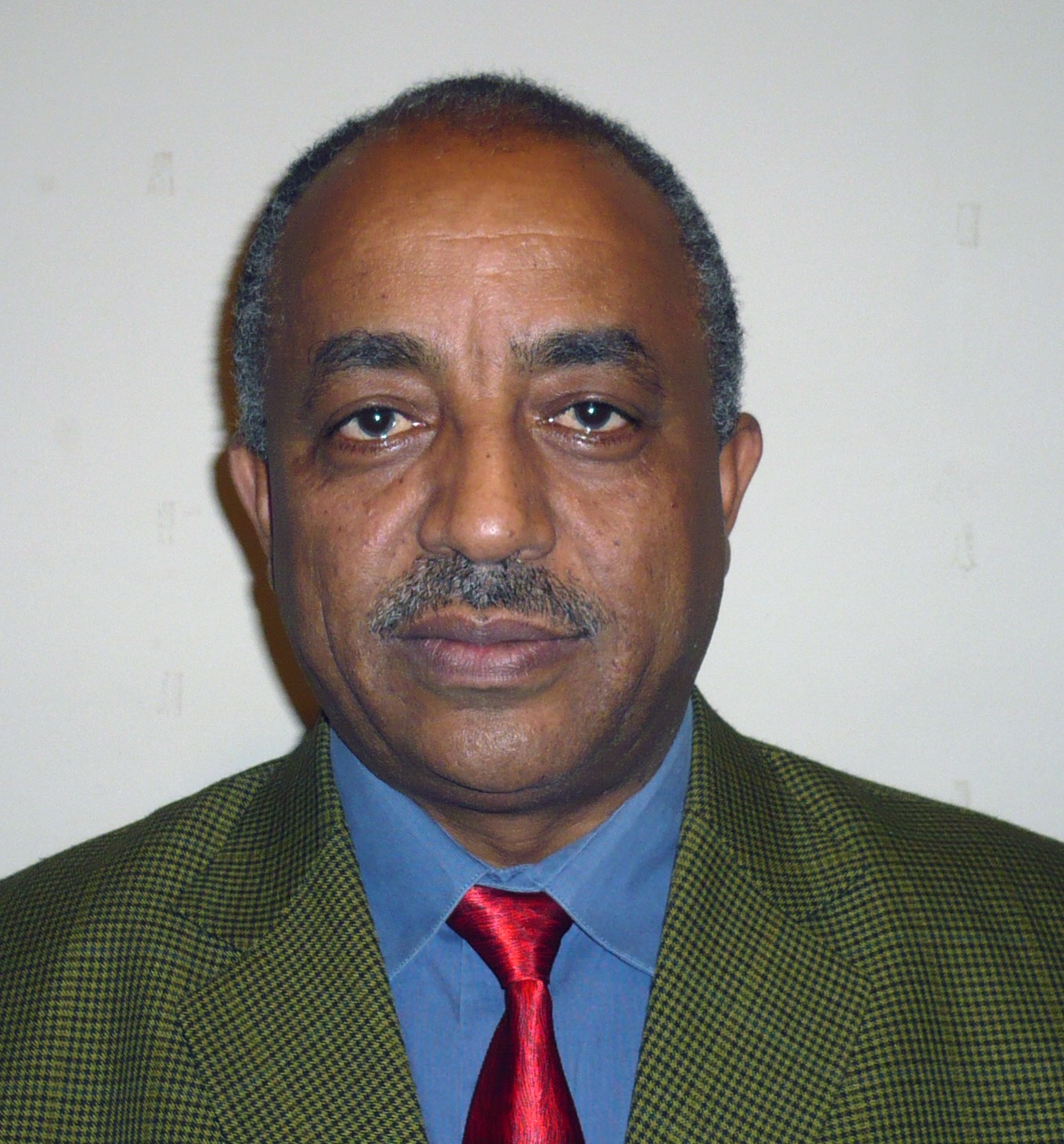
In 2002, I met Mr. Tadesse Meskela, the founder and manager of the Oromia Coffee Farmers Cooperative Union, at US Campaign, organized by Oxfam International and Global Exchange to draw publicity to the “Global Coffee Crisis”. Mr. Meskela was a keynote speaker at a forum in Washington DC.
I had studied communication and studio arts at the University of Minnesota and had extensive professional experience promoting and marketing a small business and community organization in the Ethiopian Community, in the Metropolitan Washington DC, advancingcultural and economic development.
Mr. Meskela introduced me to the world of coffee, the growing tradition, the history of the farmer’s cooperatives union, the global coffee business and the challenge the Union faces as it strives to get a better price in the global market. That led to several trips to Ethiopia to visit the coffee-growing region, meeting with coffee farmers and their cooperatives leaders. I learned first hand the impact of the coffee crisis on the lives of the small coffee farmers.
I was fascinated by the social and spiritual value of the coffee culture and inspired by the small farmers’ collective effort to bargain for a better price in the global market. But, I was also baffled by the unfairness of the international coffee market and found myself highly motivated to develop a market strategy and promotional campaign to create market awareness for the Ethiopian traditional coffee ceremony, its cultural significances, and share the culture and story of the farmers with specialty coffee consumers in the US market.
Unlocking the Diaspora’s Potential, One Woman At A Time
Posted by on January 31, 2012 at 10:15 AM EST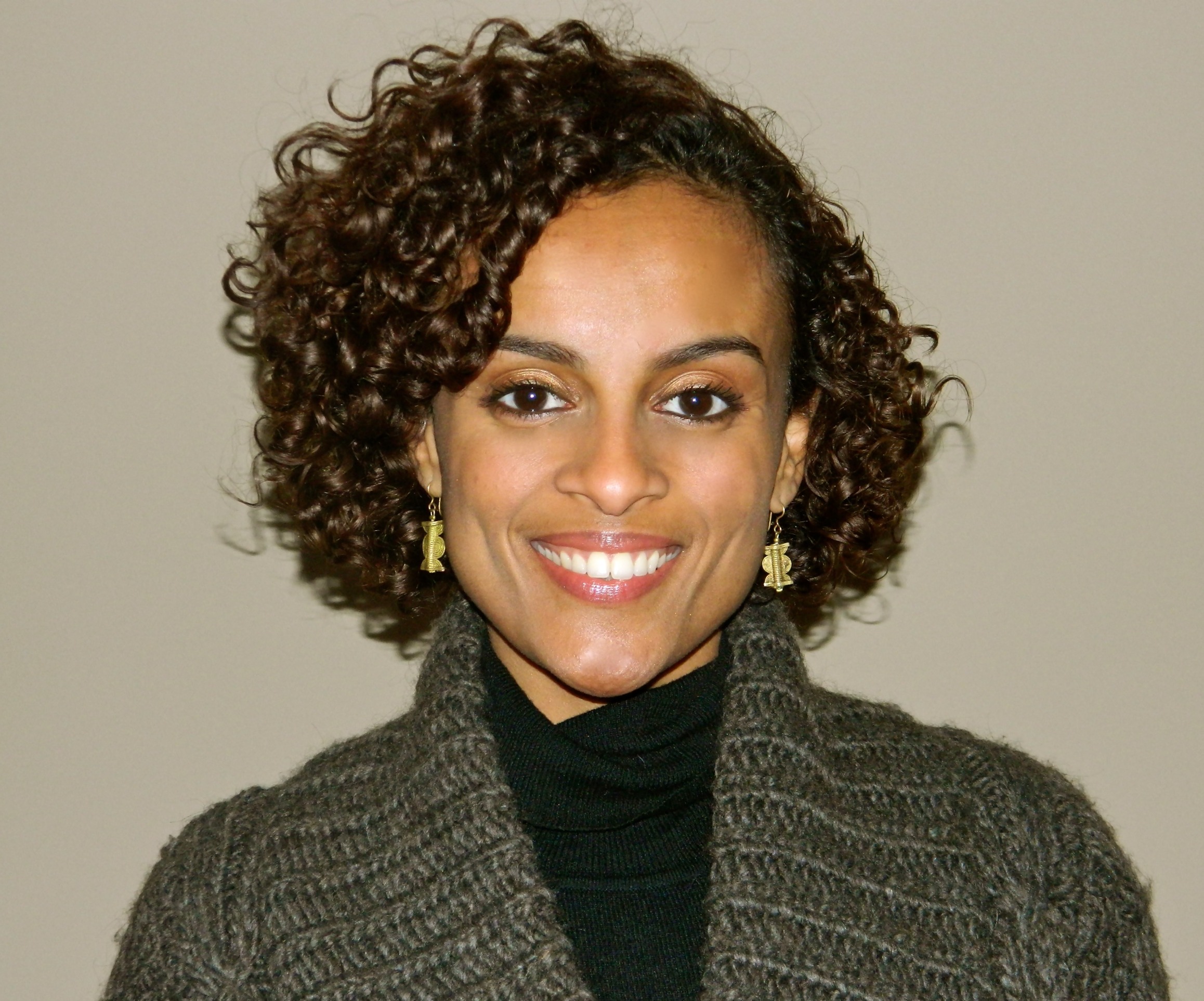
If I were to tell a 10-year old girl in Middle America that she, the daughter of African immigrants, would one day start her own organization focused on women and girls like her and it would one day be recognized by the White House, she probably wouldn’t believe me. She’d probably think it would be just a dream because she’d never seen it happen before. Until now.
As a member of the Horn of Africa diaspora, as an Eritrean-American, and as the founder of the Diaspora African Women’s Network, I am humbled and honored to be selected as a White House Champion of Change. I am proud to share my story & offer you a glimpse into a community I care so much about. I am even more proud to share this moment with my fellow Horn of Africa diaspora colleagues, who I know also share the same passion for this region as I do.
When most people hear of the Horn of Africa, they tend to think of chillingly negative images of suffering, famine and war. Maybe even pirates or Black Hawk Down. They miss the brighter moments of opportunity, success & resilience. The Horn of Africa is a beautifully proud, complex, and rich region. But it’s had limited success in showing its strengths against these negative stereotypes.
I am the daughter of Eritrean immigrants. My parents came to the States in the late 1960s for education and work. I was raised to be proud of my heritage and developed an early and loving relationship with our homeland. I learned everything I could about our history, culture, language and our 30-year struggle for independence from Ethiopia. There were countless days I’d share Eritrea’s story with as many people as I could. It was a love affair of the best kind.
Ultimately, I took my love and tested it by moving to Eritrea to work for two years. It was there I learned that I was just as much American as I was Eritrean, that I carried habits from both worlds, and that I didn’t have to pick one over the other to define who I was. I could have and enjoy both!
Advocacy for the Neo-Diasporan African Community
Posted by on January 31, 2012 at 10:00 AM EST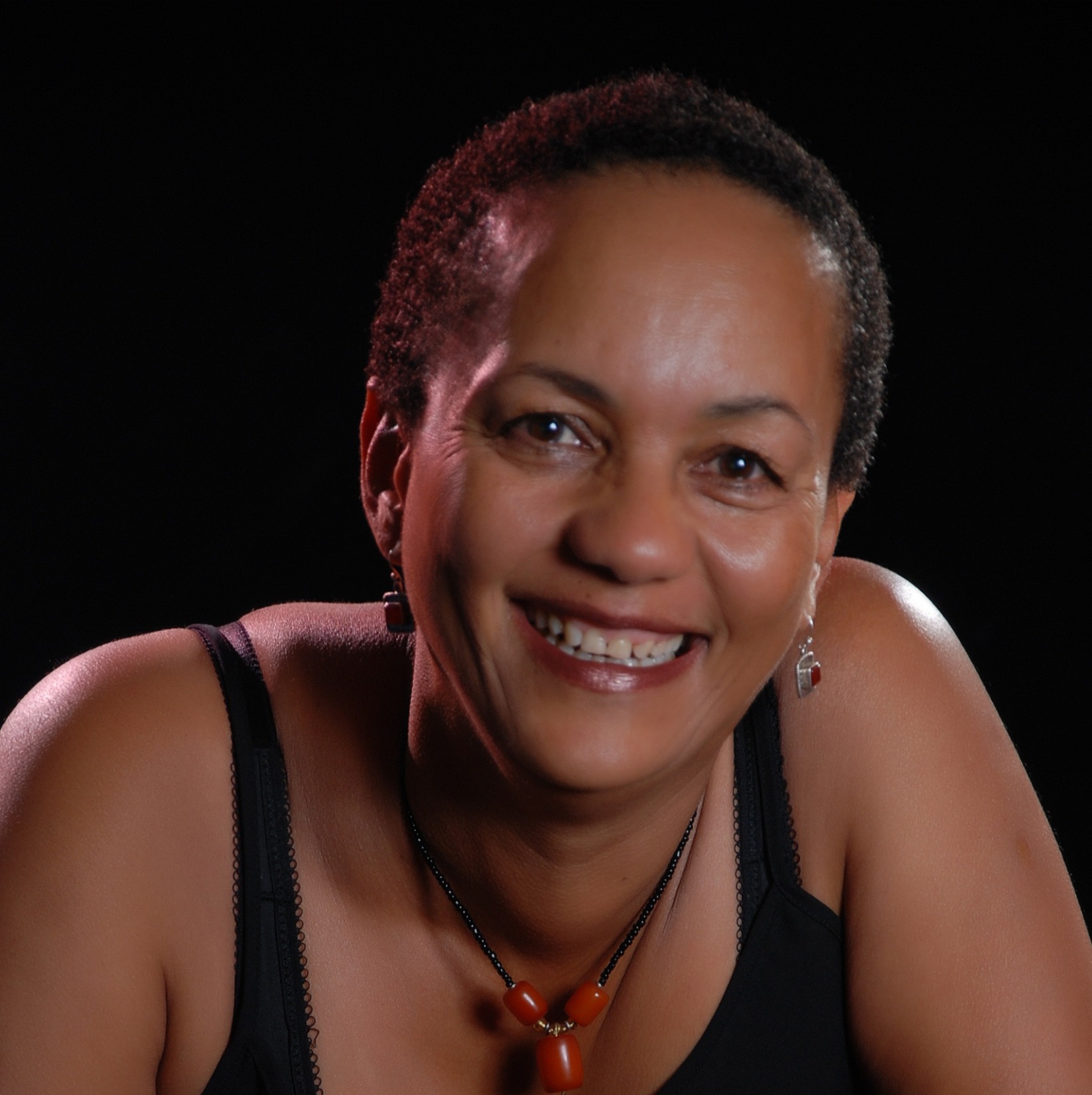
When people say this country is “land of immigrants” they don’t consider my face as the image of the typical immigrant. The fact is, the presence and experiences of immigrants from Africa are virtually unknown and unheard in mainstream US media.
I came to this country some thirty years ago, forced to leave because of war and political instability between Eritrea and Ethiopia. In the early years of my life here, thoughts of returning when things “normalized” occupied my mind and I resisted putting down roots. But as any immigrant can tell you, the process of return, although voluntary and supposedly easier becomes complicated after a while. I have become part of this country in as much as it has become part of me – and leaving my new home to return “home” no longer dominate my thoughts.
The passion I have for my work and my organization, Priority Africa Network (PAN), is rooted in my identity as an Eritrean as an Africa living in the U.S. I consider myself blessed to live in the Bay Area, home to many outstanding individuals who were active during the anti-apartheid movement. Their dedication continues to support the work of PAN, which as the name implies prioritize Africa as a policy agenda. Through PAN, we work with grassroots communities to bring new perspectives and awareness on contemporary African political, social and economic reality.
Education as a Key to Eradicating Poverty
Posted by on January 31, 2012 at 9:41 AM EST I am honored and humbled to be a White House Champion of Change. I arrived in the United States as an Ethiopian immigrant at the age of 17 and later became a naturalized U.S. citizen. Now I work as a patent examiner for the U.S. Patent and Trademark Office. Still, one of my most important accomplishments is serving as the president of a dynamic non-profit organization called Wegene Ethiopian Foundation (WEF), which I founded with the help of my friends and family members in the year 2000.
I am extremely grateful for the security, opportunity for education, and better life my adoptive country, the United States, has provided me and my family. I believe it is my privilege and duty to give back to both my birth country and the U.S. in any way I can. As a result, it is especially rewarding to be part of a foundation that provides fundamental change to less fortunate families sustaining themselves at the price of one cup of coffee per day and to make a difference for these families and their communities. This is really the finest sort of empowerment, where we all can be partners and the ownership belongs to our partners who benefit from the program. As a partner of Wegene, I have the opportunity to make a difference at a personal level. This offers me fulfillment and civic satisfaction beyond imagination. Wegene’s vision and strategy is simple because the resources are deliverable and the overhead cost is near to nothing. Additionally, almost everyone involved is donating their time, money, and contacts in kind to this noble work.
Through a sustainable manner, Wegene’s mission is to improve the everyday lives of less fortunate and disadvantaged children and their families in Ethiopia. This mission is based on the philosophy that if hardworking, destitute families are given the opportunity, tools, and resources to improve their lives, they will have a stepping stone to emerge from the poverty cycle and give their children better educational opportunities in order to lead happier, healthier lives. Wegene creates opportunities for families to become self-sufficient through vocational training and small start-up grants.
Making the Impossible Possible for African Women
Posted by on January 31, 2012 at 9:30 AM EST At Akili Dada we deal in miracles and dreams. We exist to make the impossible possible in a world that doesn't believe that African women can. We are passionate about African women's leadership and are working towards a future where African women will have full and fair access to decision-making tables. We do this by functioning as a leadership incubator investing in high-achieving young African women from underprivileged backgrounds who are passionate about social change.
We invest in young women like Faith, one of Africa’s new generation of dazzling young social entrepreneurs and co-founder of Azma.co.ke. Started by a group of young women in high school, the innovative online platform allows high school students from across Kenya to connect, exchange ideas, and organize community service activities, mentoring, and outreach events in communities around the country.
We are also investing in Gloria, the daughter of casual laborers who survived Kenya's gory Post-Election violence after watching her baby brother burned alive in their meager home. She has twice emerged among the country's top students and is now thriving on a full scholarship to medical school. Displaying a resilience rare in one so young she writes, "I dream day and night of how I am going to transform my community, society and country at large. I want to make a difference and Akili Dada has empowered me to do just that."
Akili Dada also intervened in the lives of Sharon and Winnie when lack of school fees had them on the verge of dropping out of the top-ranked high schools in the country. Both are now thriving on full scholarships at some of the best universities in the United States and are active members of their new American communities. Describing her experience mentoring girls at a local high school Sharon writes, “every time I spend time with girls at Poughkeepsie high school I take pride in trying to show them that being poor does not necessarily mean [being] undignified. I know this because everyone in Akili Dada has modeled it to me.”
Ready to Read: Advocating for Literacy in Today's Youth
Posted by on January 31, 2012 at 8:50 AM ESTI am humbled to have been selected as a Champion of Change and to have the opportunity to represent the achievements of American diaspora communities with roots in the Horn Africa. The Horn of Africa and specifically Somalia, where I was born, is a region that is deeply impacted by political instability, extreme poverty and refugee crises. Immigrants and refugees from Somalia who come to the United States have to overcome not only the trauma of forced migration and civil war but many settle in high poverty communities where they struggle along with their fellow Americans to emerge from a cycle of intergenerational poverty. My interest in helping Somali refugees and low-income Americans to emerge from poverty and improve future outcomes for their children led me to join Columbus Metropolitan Library Ready to Read Corps.
As part of the Ready to Read Corps, I take the library into at-risk communities to teach parents and caregivers of children between the ages of 0-to-5 on how to be their child’s first teacher and prepare their children for kindergarten. We teach parents to develop their child’s literacy skills and show parents how taking little steps can have an impact on preparing a child to succeed in school. To reach low-income parents we work with food pantries, preschools, churches, social service offices, mosques, hospitals, schools, high school teen parent program, and we even hold trainings in people’s homes. We bring the library to the community and work with diverse low-income populations in Columbus, Ohio, which is home to the second largest Somali immigrant and refugee community in the United States.
In some local schools, 40% of the children entering kindergarten are not adequately prepared to succeed in school, according to the Ohio Department of Education’s Kindergarten Readiness Assessment Literacy (KRA-L) scores. In some local immigrant neighborhoods, that score is as high as 77%. These early inequalities in school preparation have been proven in numerous research studies to adversely impact a child’s academic and lifelong success because children are continually attempting to catch up to their more affluent peers. The Ready to Read Corps of Columbus Metropolitan Library is an innovative early literacy program that works to prevent these persisting educational inequalities by educating and empowering parents and is an integral component in the fight against poverty.
To date, Columbus Metropolitan Library has raised almost $1.5 million to fund the Ready to Read Corps – nearly $1 million from grants and the rest were donations from United Way of Central Ohio, the Siemer Family Foundation, JPMorgan Chase and Nationwide Insurance Foundation. I believe that education is the great equalizer and I am grateful that Columbus Metropolitan Library’s Ready to Read Corps has allowed me this wonderful opportunity to make such a positive impact in the community.
Statements on International Day of Commemoration in Memory of the Victims of the Holocaust
Posted by on January 30, 2012 at 12:38 PM ESTOn Friday, January 27th, the United States joined the world community in commemorating the tragedies of the Holocaust on International Holocaust Remembrance Day. Below are statements marking this day of remembrance from President Barack Obama and other administration officials.
Statement by the President on International Holocaust Remembrance Day
“Together with the State of Israel, and all our friends around the world, we dedicate ourselves to giving meaning to those powerful words: “Never Forget. Never Again.”
Read the full text of President Obama’s statement here
Statement by Ambassador Susan E. Rice, U.S. Permanent Representative to the UN“On this day of limitless grief, we honor those who suffered and died and keep faith with all who are tormented by demagogues and killers.”
Read the full text of Ambassador Susan Rice’s statement here
Remarks by Ambassador Rosemary DiCarlo, U.S. Deputy Permanent Representative to the UN“There are actually some, incredible as it always seems, who would deny that this Holocaust took place, or seek to minimize it as simply another episode in the long story of mankind’s crimes. But evidence matters. There is more than enough of it. And it lasts. We will fight denial for as long as it takes.”
Read the full text of Ambassador DiCarlo’s remarks here
Jarrod Bernstein is the Director of Jewish Outreach in the Office of Public Engagement.Ending Housing Discrimination Against LGBT Americans
Posted by on January 30, 2012 at 11:30 AM ESTEd. Note: This piece is cross-posted from the Department of Housing and Urban Development's official blog.
On Saturday, I was proud to speak before the 24th National Gay and Lesbian Task Force “Creating Change” Conference, where I announced the publication of a new Equal Access to Housing Rule that says clearly and unequivocally that Lesbian, Gay, Bisexual and Transgender (LGBT) individuals and couples have the right to live where they choose.
The need for this rule is clear, particularly when it comes to housing. According to one recent report, not only are 40 percent of homeless youth LGBT, half of them report experiencing homelessness as a result of their gender identity or expression. Even more troubling, the majority of them report harassment, difficulty, or even sexual assault when trying to access homeless shelters. That’s not just wrong – it’s not who we are as Americans. And as the Injustice at Every Turn report put out by the Task Force and the National Center for Transgender Equality last year found, these challenges are all too common.
That’s why HUD is working to ensure that our housing programs are open to all – the rule will open access to housing for LGBT individuals and families in four important ways:
- &lsaquo previous
- …
- 168
- 169
- 170
- 171
- 172
- 173
- 174
- 175
- 176
- …
- next &rsaquo
Twitter