

Latest News
Uniting to Focus on Ending Breast Cancer
Posted by on October 5, 2011 at 2:42 PM ESTEd. Note: Champions of Change is a weekly initiative to highlight Americans who are making an impact in their communities and helping our country rise to meet the many challenges of the 21st century.
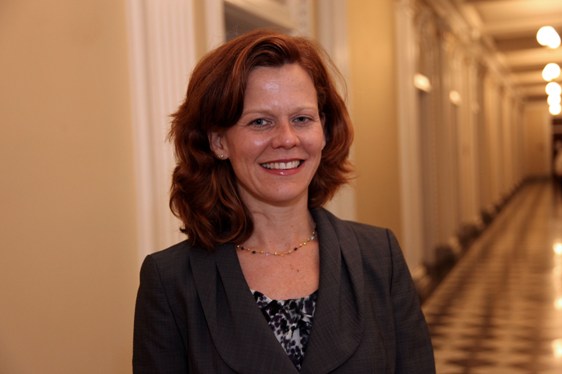
I wasn’t sure what to expect as I traveled to DC earlier this week to be honored with a Champions of Change award from the White House. I was excited about the prospect of meeting Administration officials and felt honored to have been selected for such a platform to share with others what my colleagues and I are doing to improve care and outcomes for women with breast cancer. But as I reflect on the experience, what inspired me most was the “class” of champions with whom I shared the stage. Patient advocates, survivors, women living with metastatic disease, and other providers and researchers, who all shared their unique perspectives and tremendous contributions towards ending the devastating effects of breast cancer. We were there from different parts of the country representing not only our own institutions and advocacy organizations, but the millions of people whose lives have been affected by breast cancer.
Three clear themes emerged from our collective voice: 1) We have made progress particularly in the areas of targeted, tailored treatment for women with breast cancer — there is still much work to be done and now is a critical time to keep the momentum going (and not the time to decrease government funding); 2) We have to continue to streamline our research systems, partnering with academic, advocacy and governmental organizations as well as industry, to efficiently and effectively harness scientific findings to improve treatments and patient care — working in silos is no longer acceptable; and 3) We need to optimize the utilization of tools and treatments that have already proven to help women, and reduce disparities in access to high quality care.
I am thrilled to be spearheading an effort that represents a fruitful partnership between the advocacy and scientific communities, to improve the quality of care for young women with breast cancer, in particular. Young women have higher mortality rates from breast cancer than older women and are more likely to have difficulty adjusting both at diagnosis and in follow-up. In light of this, we developed the Program for Young Women with Breast Cancer at Dana-Farber Cancer Institute to provide comprehensive care to young survivors and focus on their unique needs including genetics, fertility and psychosocial concerns. Because of the success of our program locally, we have received an American Society of Clinical Oncology (ASCO) Improving Cancer Care Grant funded by Susan G. Komen for the Cure to develop, implement and evaluate a virtual program for young women to improve the care of women received in community care settings (where resources and expertise are generally not as available compared to a comprehensive cancer center). We believe this novel intervention, which engages both young patients and their providers at the point of care, will lead to tangible improvements in the present standard of care. In addition, we hope that this work can serve as a model to improve care and overcome barriers to delivering optimal comprehensive care for unique groups of patients in other settings.
Ann Partridge is the Clinical Director of the Breast Oncology Program at Dana-Farber Cancer Institute, an NCI designated comprehensive cancer center in Boston, Massachusetts.
Learn more about WomenRenewing the American Dream: The College Completion Agenda
Posted by on October 5, 2011 at 2:20 PM ESTPresident Obama’s 2020 education goal is critical to restoring America’s global competitiveness and long-term growth of our economy. Secretary of Education Arne Duncan has made the President’s goal the North Star of the Department, helping realign and prioritize our programs and activities by gauging how they contribute to advancing the big goal.
As Assistant Secretary for Postsecondary Education, my focus is on the last leg of the journey: college completion. The programs at the Office of Postsecondary Education provide support for colleges and high schools to insure that kids in school stay on track to attend college. In Fiscal year 2011 under the Gear Up program, the Education Department awarded 47 partnership grants to educational institutions and 19 state grants. Eight of those partnership grants, totaling $22,566,708, were to Hispanic Serving Institutions (HSIs). Once in college, grants from the TRIO programs helped insure that students transitioned effectively into college life, stayed in college, and graduated. Twenty-nine hundred, forty-seven TRIO grants adding up to $87.5 million in funding, were awarded to institutions and agencies, which served an estimated 793,862 students, 21% of which are Hispanic. Our Office also provides support to Hispanic Serving Institutions (HSIs), to support their programs as well as capital improvements. This past year we awarded 122 new grants to HSIs; this includes 109 to science, technology, engineering, and mathematics (STEM) related HSIs and articulation programs and 13 to new HSI development programs. Our Office also works to generally enhance the quality of higher education programs through our grants to support international education, foreign language instruction that included 17 grants to Latin American studies and National Resource Centers; and to support innovative practices—the latter through the Fund for Improvement of Post Secondary Education (FIPSE). We also promote quality education through our regulations and our oversight of institutional and professional accreditation.
Less Talk, More Action to End Breast Cancer Forever
Posted by on October 5, 2011 at 12:22 PM ESTEd. Note: Champions of Change is a weekly initiative to highlight Americans who are making an impact in their communities and helping our country rise to meet the many challenges of the 21st century.
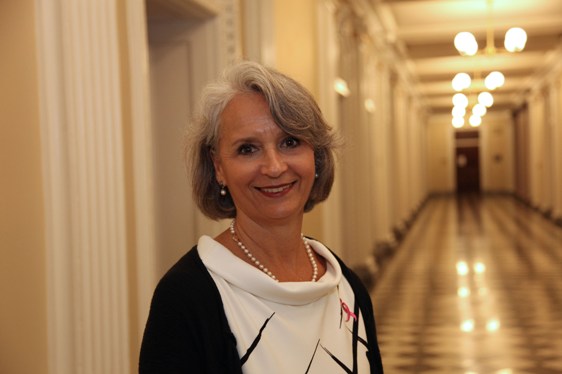
I had the honor this week of being one of five nationwide representatives from Susan G. Komen to be recognized as a Champion of Change at the White House and to participate in the round table discussion with other breast cancer activists and advocates about ending breast cancer forever.
I was deeply impressed with the tremendous capacity of intellectual talent and passion devoted to this cause that was exhibited at the White House event. It was also a good reminder of the goals and objectives of the many different breast cancer organizations and institutions. What we are striving for occasionally gets misplaced in the frantic pace of the world, in efforts to differentiate ourselves from one another and in debates including those around the “pinking of the cause”, confusing screening guidelines and the, as yet, unsuccessful achievement of providing access for everyone, everywhere to gold standards of care. It was a reminder to stay focused.
By participating in the White House Champions for Change event, I was reinvigorated to stay true to our mission, Our Promise, at Susan G. Komen that reflects a pointed and appropriate pathway to finding the cures for this dreadful disease. For the Maryland Affiliate, this means continuing to raise money through two Race for the Cures, one in Hunt Valley in Baltimore County on Sunday, October 23rd, 2011 and one in Ocean City on the Eastern Shore of Maryland on Sunday, April 22nd, 2012. In addition to our two races, there are a multitude of other fundraising opportunities in these and other communities that offer a way to support the cause, network and hopefully, have fun!
Learn more about WomenMaking the Voices & Faces of the People Living With Breast Cancer Heard
Posted by on October 4, 2011 at 4:40 PM ESTEd. Note: Champions of Change is a weekly initiative to highlight Americans who are making an impact in their communities and helping our country rise to meet the many challenges of the 21st century.
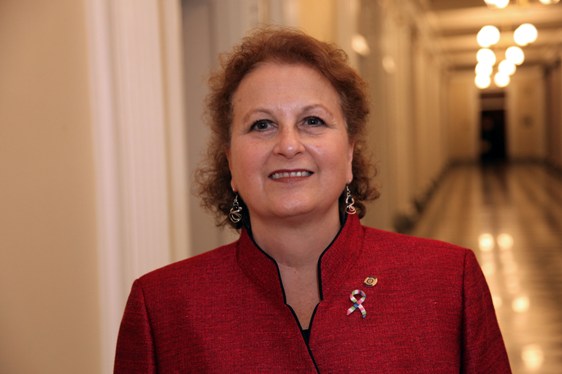
I never dreamed that as an American Cancer Society Cancer Action Network (ACSCAN), volunteer attending their annual Lobby Day on Capitol Hill, I would also be given the opportunity to represent ACSCAN as one of their Champions of Change at the White House! To have been nominated was fabulous, but to have been selected is truly an honor and privilege.
As a Champion of Change in the fight against breast cancer I had the opportunity to share my experience as the Cancer Care Coordinator at Southern Maine Medical Center, Biddeford, ME. I was one of 12 panelists at the White House Champions of Change program which focused on breast cancer early detection and prevention programs, education and awareness initiatives, and most importantly how to move forward to end this disease through continued funding for research. ACS CAN, NBCC, and Susan G. Komen breast cancer survivors, health care providers and leaders of the above organizations comprised the panel. Our discussion was led by First Lady Michelle Obama’s Chief of Staff Tina Tchen.
Learn more about WomenGiving Latinas a Chance Against Breast Cancer
Posted by on October 4, 2011 at 2:04 PM ESTEd. Note: Champions of Change is a weekly initiative to highlight Americans who are making an impact in their communities and helping our country rise to meet the many challenges of the 21st century.
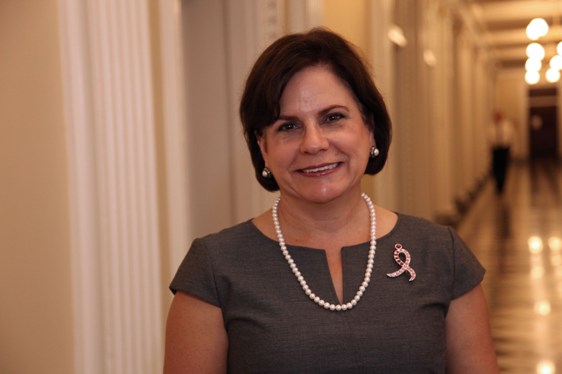 “I don’t have to worry about breast cancer.”
I hear that a lot from Latina women, unfortunately. They see statistics on how Latinas don’t get breast cancer nearly as often as black or white women.
They need to know: Breast cancer is the No. 1 Latina cancer killer.
Latinas are 20% more likely to die of breast cancer than white women diagnosed at similar ages and stages. Critical cultural beliefs continue to interfere with Latinas’ approach to cancer screening and early detection. Latinas still greatly fear breast cancer and don’t think there’s anything they can do to prevent it, so they put off screening. Latina moms take care of others first. Few Latinas recognize breast cancer often progresses slowly enough to be detected and treated. And even if Latinas are screened, they are more likely to delay/miss follow-up appointments and start treatment later once cancer is confirmed—leading to worse cancer outcomes.
But Latinas also need to know: Breast cancer doesn’t have to kill.
Prevention is the key, and timely screening, diagnosis, treatment, and follow-up care are critical if Latinas are to survive cancer and sustain a good quality of life.
President Obama Headlines HRC Dinner
Posted by on October 4, 2011 at 1:47 PM ESTThis past Saturday night, I was proud to hear President Obama speak at the Human Rights Campaign’s 15th Annual Dinner at the Washington Convention Center in Washington, DC. The crowd of 3,200 heard the President passionately describe a bold vision for “a big America” in which lesbian, gay, bisexual, and transgender people are treated equally under the law. And thanks to the President’s leadership, we have passed the Matthew Shepard and James Byrd, Jr. Hate Crimes Prevention Act, lifted the HIV entry ban, and repealed “Don’t Ask, Don’t Tell,” bringing us that much closer to a more perfect union.
We have made great strides, but as the President said on Saturday night, we have more work to do.
We must repeal the discriminatory, so-called Defense of Marriage Act (DOMA), and until that day comes, this Administration will no longer defend DOMA in the courts.
Learn more about Civil RightsMy Personal Truth
Posted by on October 4, 2011 at 1:22 PM ESTEd. Note: Champions of Change is a weekly initiative to highlight Americans who are making an impact in their communities and helping our country rise to meet the many challenges of the 21st century.
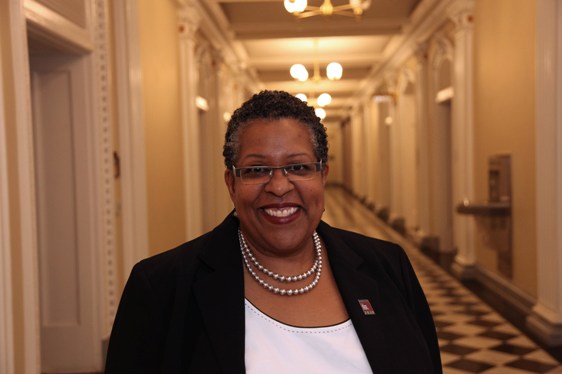
I am angry. Anger is a strong word and an emotion which is often difficult to admit. But, I will admit that I am angry that some women are not living to become mothers, grandmothers or enjoy friendships that last over 50 years. Sadly, I am not alone as young girls are angry that they are growing up without their mothers. Anger. The strength of the word can cause one to take action. It made me step forward and say “What can I do”? How angry do we have to become before we stop women from dying of breast cancer?
I am becoming impatient. With all of the knowledge and so called breakthroughs in science, I wonder why we have not been able to stop breast cancer from developing. And if developed, why can’t we stop it from spreading throughout a women’s body (metastasis)? How can we force the envelope for change? We don’t have time to waste. We need to change the way we have been approaching this for the past 30 years. We need to communicate, collaborate so that we can celebrate.
I am also frustrated because there is so much misinformation being communicated to the public. I urge you to become familiar with the facts because misinformation is hurting women almost as much as breast cancer. Get the Truth. Know the Truth. The National Breast Cancer Coalition can deliver daily information to your inbox every day during the month of October.
I have worked with women who have received a recent diagnosis of breast cancer through the Sisters Informing Sisters program. It is difficult to tell them to remain hopeful and fight when they have personally witnessed someone dying from breast cancer, despite going through treatment. We need to end this disease.
My personal truth. I fully support Breast Cancer Deadline 2020. Are you with me?
Wanda Lucas is a 5 year breast cancer survivor who, through her work at Georgetown University, serves as Lead Survivor Coach on breast cancer research projects.
Learn more about WomenRenewing the American Dream: Investing in Education for English Language Learners
Posted by on October 4, 2011 at 10:28 AM EST
When President Obama mentioned English Language Learners in his speech to the Congressional Hispanic Caucus Institute Hispanic Heritage Month gala last month, it served as a reminder to the education community that ELLs, 80% whom speak Spanish as their native language, are an integral part of his plan for our nation to win the future.
The President has said many times that having the highest proportion of college graduates by 2020 is one of his goals. But in order to reach that goal, we as a nation need to ensure that English Learners (ELs), which number five million strong and constitute the fastest growing student group in the K-12 system, receive a high-quality education that will prepare them for college and career.
Learn more about Education
- &lsaquo previous
- …
- 193
- 194
- 195
- 196
- 197
- 198
- 199
- 200
- 201
- …
- next &rsaquo
Twitter