Protecting the Planet for Our Children

Ed. note: This is cross-posted from the EPA Blog.

Protecting the Planet for Our Children

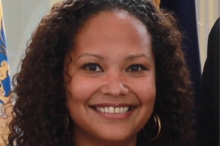
Administrator Gina McCarthy at Harvard Law School. July 30, 2013. (Photo Courtesy of the Environmental Protection Agency)

Yesterday I had the honor and privilege of speaking at Harvard Law School about the future of EPA – our challenges, and our incredible opportunities. The highlight of my day, however, wasn’t the fact that I got to speak about issues that I care very deeply about. About how working to fight climate change can serve as an economic driver, helping create new jobs, new industries and new innovation. It wasn’t even that I got to stand in front of many of the environmental heroes who have paved the way before me. The highlight for me came when one my children – my daughter, Maggie – got behind the podium and introduced me before my first speech as the new EPA Administrator, in front of my younger daughter, Julie, who was all smiles in the front row.

I think about all of my children – Maggie, Julie and Dan – when I go to work every morning. Because after all, the work we do is about the generations that will come after us, and the planet that we will leave behind. As I mentioned yesterday, I have a lot of hope for the next generation. And it’s my goal to make sure that we get out of the way and let them do what we know they will do – which is to ensure that we have a sustainable economy and a protected environment.

We have challenges ahead, there’s no doubt about that. And it’s a pivotal moment for all of us to address those challenges. As parents – as Americans – it’s our job to face the challenges of a changing climate, of carbon pollution, of aging water infrastructure, of toxic chemicals head on. It is our responsibility to leave behind an environment that Maggie, Julie and Dan will be proud of. That’s what the goal is here.

Gina McCarthy is the Administrator of the U.S. Environmental Protection Agency.

Minimizing Healthcare’s Environmental Footprint

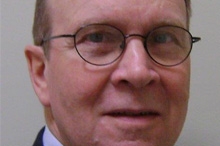
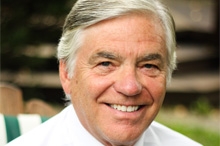
Jeff Thompson

Jeff Thompson is being honored as a Champion of Change for his work on the front lines to protect public health in a changing climate.

It wasn’t too long ago when you would rarely hear “healthcare” and “sustainability” in the same sentence. After all, many healthcare organizations thought their purpose was solely to take care of patients in a hospital or clinic. But at Gundersen Health System, headquartered in the Midwestern city of La Crosse, Wisconsin, we believe it is also our responsibility to help our patients and communities stay well, and part of that is caring for the health of the environment.

We started working on a number of projects in 2003, but in 2008 we took a hard look in the mirror. We knew that healthcare buildings are some of the most energy intensive buildings around (2.5 times more so than commercial office buildings according to the Department of Energy). We knew that our energy costs were rising at an alarming rate of $350,000 per year and growing, and those costs were being passed along to patients in the form of higher healthcare costs. We needed to take a hard look at our practices and take the necessary steps to improve our environmental impact. It was the right thing to do for our patients, our staff, and the communities we serve.

We developed our sustainability program, called Envision®, and set a goal that surprised many in the healthcare community: energy independence in 2014. As the CEO of Gundersen Health System, I can tell you that we’re on track to accomplish that goal through vigorous energy conservation measures and renewable energy partnerships.

Our Envision team started with “low hanging fruit.” An energy audit in 2008 opened our eyes to dozens of energy saving opportunities available. We examined our heating/cooling systems, lighting, and employee behavior and used a number of measures to improve energy efficiency and reduce energy demand. By the end of 2009, those efforts led to a 25 percent improvement in our energy efficiency. Our $2 million investment saves the organization more than $1 million every year in energy costs.

But energy conservation measures will only take us so far toward our energy independence goal. The rest will come from renewable energy projects. We tapped into a number of natural resources and several government entities and private businesses who saw the benefits of renewable energy partnerships for our communities. Some of our most successful projects are those we’ve accomplished with community partners.

For example, we worked with our local county government to use previously wasted methane gas from the landfill and turned it into a renewable energy source. The project created a revenue source for La Crosse County, saves our health system hundreds of thousands of dollars and made our Onalaska Campus 100 percent energy independent. We also partnered to develop a wind farm with the rural village of Cashton, Wisconsin, and Organic Valley, the largest cooperative of organic farms in the country. The wind farm generates enough electricity to power 1,000 homes. It is a source of income for both Gundersen and Organic Valley, and a source of pride for the people who live in Cashton.

Our goals are to decrease pollution and save healthcare dollars. Along the way, we have been able to inspire our staff and community with projects ranging from energy conservation and renewable energy to sustainable foods and waste management. Gundersen Health System is one of thousands of healthcare organizations in our country. If we all join together and work toward the same goal through programs like the Healthier Hospitals Initiative, think of the difference we can make in the health or our communities. Minimizing our environmental footprint is not just a trend. It’s the right thing to do for our patients, our communities and our country. We all just need to look in the mirror, understand we are part of the problem and take action to become part of the solution.

Jeff Thompson is Chief Executive Officer of Gundersen Health System.

Protecting Human Health in a Changing Climate

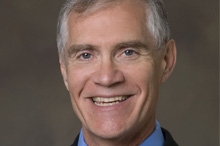
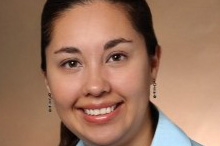
Therese Smith

Therese Smith is being honored as a Champion of Change for her work on the front lines to protect public health in a changing climate.

Climate change and public health go hand in hand. Illustrating this point, in Healthy People 2020 the Department of Health and Human Services outlines its objective to promote health for everyone through a healthy environment.  To do that, we must focus on six different areas including outdoor air quality, our homes and communities, ground water, toxic substances and hazardous wastes in our air, water and land, and our entire global environment.

My job as a public health professional is to try and make a difference one person at a time, one place at a time, if at all possible, by educating, volunteering, and letting people know that clean air is everyone’s responsibility—we all need to breathe it! 

The American Lung Association of the Midland States has given me a platform to educate more people about the link between air quality and chronic conditions, such as lung disease, diabetes, and heart disease.  As an advocate in various clean air campaigns, I continue to make sure that everyone everywhere gets the chance to breathe the cleanest air possible, both indoors and out. 

I work in my community and across the state of Michigan through Blue Cross Blue Shield of Michigan as a Health Advocate and Chronic Condition Case Manager to educate members about lung disease and the importance of a healthy environment.  I educate members with asthma, chronic obstructive pulmonary disease, and other respiratory illnesses that are affected by poor air quality.I make sure they understand how they can make small changes to protect their health on ozone action days, when weather conditions make it likely that ground-level ozone will approach unhealthy levels and are cautious about air pollutants  to help improve their quality of life and hopefully their environment too. 

I am currently working on my PhD in Public Policy and Administration with a focus on Health Policy to make a difference in changing the course of health policy – to make a difference in the world – so we can all breathe cleaner air. 

Therese Smith is a Nurse.

Protecting Health in a Changing Climate

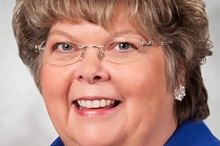
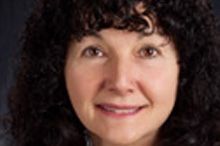
Dr. Linda Rudolph

Dr. Linda Rudolph is being honored as a Champion of Change for her work on the front lines to protect public health in a changing climate.

In 2004, I was the local health officer and public health director in Berkeley, California. We worked to improve children’s health by making it easier for kids to walk or bike to school, promoting better access to healthy foods through community gardens and local farmers markets, and reducing exposures to chemicals and pollutants that trigger asthma. Do you see the connections to climate change? I didn’t, at first.

But as California began tackling climate change, two things quickly became apparent to me. First, the impacts of climate change exacerbate many of our most serious health problems – the very chronic diseases I was seeing in all of the communities I served, and which were (and continue to be) especially prevalent in low income communities with limited resources for health care. Second, many of the strategies that reduce greenhouse gas emissions and strengthen community resilience in the face of climate change are the very same strategies that help us to reduce obesity and chronic illness.

I now believe that climate change itself is the greatest health threat we face in the 21st century. I focus on climate change in my professional work, because if we don’t act urgently and comprehensively, climate change will undermine all our other public health efforts.  I’ve also started advocating for climate action as a private citizen, in my personal time, because to truly move the needle (or thermometer) on climate change, we must also engage the passion, activism and voice of every American.

People everywhere care about their health and about the health and well-being of their children and grandchildren. But health workers have a critically important role to play in addressing climate change.  We can connect the dots: warmer temperatures can mean higher ozone levels, longer pollen seasons, and more asthma and allergies. More droughts can mean higher food prices, greater food insecurity, and more obesity and diabetes.

Public health professionals can engage with community partners to identify assets and solutions that build community resilience and fight climate change at the same time. For example, parks and tree canopies soak up carbon and other pollutants, create safe places for kids to play and provide shade to help prevent heat illness. A healthy community design offers transportation options that increase physical activity, decrease air pollution and preserve nearby farmlands and open space.

We can find win-win solutions that fight carbon pollution and climate change, reduce health inequities, and improve the health of everyone in our communities, but it will take a different kind of public health work. It will require that we collaborate closely with those who work in transportation, housing, agriculture, and many other sectors, and that we engage deeply with people in the most vulnerable communities. All of us need to let our policy makers and leaders know that we need to act vigorously on climate change right now, to protect the health of our children, ourselves, our neighbors, and our communities.

My work has shown me that climate action can make our communities more vibrant, attractive and livable. It can make our food systems more diverse and sustainable, our air and water cleaner, and our communities greener and more walkable, all of which will have huge health benefits. In California, we’ve already begun to accomplish some of this, thanks to state climate change legislation championed across party lines and supported and strengthened by the involvement of public health professionals, community advocates and organizations, and residents of communities throughout the state. As a nation, we must do the same – work together to take climate change action that benefits our health now, and protects our health into the future.

Dr. Linda Rudolph is the Co-Director of Climate Change and Public Health Project at Public Health Institute.

Safeguarding our Environment for Health and Fighting Climate Change

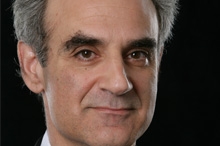
William Rom

Dr. William Rom is being honored as a Champion of Change for him work on the front lines to protect public health in a changing climate.

As author of Environmental Policy and Public Health: Air Pollution, Global Climate Change, and Wilderness and an instructor on environmental and global health at New York University for 25 years, I have reached dozens of policy students and medical residents and fellows.  I have been involved in air pollution policy for the past decade, leading the American Thoracic Society’s Environmental Health Policy Committee, presenting data to the Clean Air Scientific Advisory Committee and meeting with the EPA Administrator to encourage stricter standards ground level ozone and particulate matter to protect human health. I delivered Medical Grand Rounds on Climate Change and Global Public Health to international meetings and medical schools from New York to Addis Ababa, Ethiopia and Cape Town, South Africa. I traveled by dogsled with the Thule Inuit in northwestern Greenland in 2008, where I found that the ice was melting faster than ever before with four more months of open seawater compared to 30 years ago. I have canoed the major Arctic Rivers including the Albany, Churchill, Back and South Nahanni.  As a Fellow for two decades at The Explorer’s Club, I have been awarded four Flag expeditions, including travel with the Thule Inuit by dogsled in northern Greenland to obtain eyewitness accounts of the effects of global warming. To inform my professional colleagues, I have organized symposia on the topic for pulmonary doctors over the past decade. Currently, Dr. Kent Pinkerton and I are co-editing a textbook on Climate Change and Global Public Health. 

Climate change is projected to exacerbate heat waves and interactions with air pollutants to increase cardiorespiratory mortality. Hurricanes may become more frequent and intense, but most worrisome are potential storm surges that can cause widespread damage. New York University and Bellevue Hospitals, where I work, are still recovering from Hurricane Sandy’s 13-foot storm surge. The salt water damaged hospital electrical infrastructure in the basements of both hospitals, and we were forced to relocate for three months. This resulted in patient evacuations and required the salvage of many thousands of research samples.

As Director of NYU’s Division of Pulmonary, Critical Care, and Sleep Medicine and Bellevue Hospital’s Chest Service for 25 years, I have witnessed environmental medicine first hand. When air pollution particulates and ground-level ozone increase, we admit more asthma patients and chronic obstructive pulmonary disease patients in our Chest Service and ICU. 

I am also interested in the “smoky houses” problem from indoor biomass burning and have recently chronicled this challenge in photos from Ethiopia and Madagascar.  At Addis Ababa’s Black Lion Hospital I served as faculty, training their first two pulmonary fellows.  We observed lung disease, pneumonia, and lung cancer from indoor air pollution.

I served as a legislative fellow in health and environmental policy in the U.S. Senate for Senator Hillary Rodham Clinton.  For her, I wrote the Caribbean Wilderness Act (signed into law by President Bush), the Family Asthma Act, the Environmental Public Health Tracking Act, and the Electronic Medical Record and Health Quality Act.  I served on the Environmental Roundtable for Research and Education in the Environmental Health Sciences of the Institute of Medicine and am on CDC’s WTC Health Program Scientific/Technical Advisory Committee. 

Through all of my work, I’ve found it is critical to reach a larger stage on climate change and explain how its consequences affect our health.

Dr. William Rom is Director of the New York University Pulmonary Division and Bellevue Hospital Chest Service.

Healthy Air, Healthy Kids

William Rom

Dr. Yadira Caraveo is being honored as a Champion of Change for her work on the front lines to protect public health in a changing climate.

Growing up in Colorado, you learn to appreciate clear blue skies and fresh mountain air – until the smog settles into the bowl-shaped Denver metro area, and suddenly the view isn’t so pretty.  During our training medical professionals like me don’t receive much education on the potential health effects of what humans put into the air.  We learn about bioterrorism, the negative effects of the food we put into our bodies, and the lung diseases affected by things as varied as keeping pigeons to popping too much popcorn.  But we never really learn about the cloud of “smog” sitting over Denver and how it will affect our patients. 

Upon graduating from medical school, I moved to Albuquerque, New Mexico to complete my training in pediatrics.  Albuquerque is another bowl-shaped city flanked by mountains, where bad air can settle and linger for days.  Living near the extinct volcanoes on the city’s west side, I could see the occasional cloud of smog settled over the city as I would drive into work.  On those days I knew what I would see all day at my shift in the emergency department, the children’s ward, or the urgent care clinic: asthma exacerbations.  On days where a brown blanket covered the desert city, I knew I’d be ordering a lot of albuterol, a medicine to help people breathe easier, putting kids on oxygen, and speaking to respiratory therapists.  It would be a day of seeing children struggle just to breathe. 

The focus on child advocacy drew me to residency in New Mexico.  I was interested in learning about how to interact with politicians and candidates, advocate for increased healthcare access in a poor state, and protect the public programs my patients relied on.  I was selected as a resident leader by the National Hispanic Medical Association and an intern in legislative affairs by the American Academy of Pediatrics.  I spent time in Washington with both groups and connected with members of the Union of Concerned Scientists (UCS) and Voces Verdes.  I participated in a conference on the public health concerns caused by emissions from coal-fired power plants and finally learned what I hadn’t been taught in medical school. 

As a Latina, I am naturally drawn to Latino health issues.  Nearly 50 percent of Latinos live in counties that regularly violate the ground level ozone, or smog, standards set by the Environmental Protection Agency, even though our standards for clean and safe air should be even stronger.  EPA estimated that further lowering the level of ozone considered safe would prevent thousands of asthma exacerbations, heart attacks, missed days of school, and hospital visits and deaths.  Obviously clean air affects everyone, but children are at a higher risk of these health effects than the adults who have the power to control pollution.  Due to young children’s size, faster heart rates, and immature systems, their lungs and brains are particularly vulnerable to toxins in our air, water, and environment.  Exposure at an early age could spell years of chronic illness and an impaired ability to learn, play, and work.  Through UCS and Voces Verdes, I advocated for tightening emission standards for coal-fired power plants, and I continue to raise awareness about the health effects of climate change and air pollution. 

Since leaving residency and starting private practice in Colorado, my advocacy efforts have shifted in part to local healthcare access issues in my hometown county and streamlining the referral system for children at risk of physical and cognitive delays due to various issues.  But every time I drive down the hill into Denver and see the brown cloud hanging over the city, I worry for my patients and think of what else we can do to ensure that our children are not just eating healthy, growing, and learning but breathing safe air. 

Dr. Yadira Caraveo is a General Pediatrician.

Caring for Ourselves is Caring for Our Earth

Gary Cohen

Dr. Georgia Milan is being honored as a Champion of Change for her work on the front lines to protect public health in a changing climate.

Last year, after 30 years as a family doctor, I decided to leave my clinical practice to focus on global health issues.  I determined that the most significant public health threat of our time is climate change.

In some places, we are already seeing a rise in the number and intensity of floods, forest fires and other natural disasters.  Infectious diseases are changing in response to changing climate patterns.  Extreme weather events are threatening our food and water supplies.  As ecosystems adjust to these changes, we are seeing more species face the threat of extinction.  Air quality threats such as ozone pollution, commonly known as smog, are becoming harder to address, which can lead to increased disease levels and premature deaths.  These problems are projected to get worse as our climate continues to warm.

Through my humanitarian work in other countries and as a physician with the Indian Health Service, I have seen the interdependence of people with the natural world and how much knowledge and appreciation of this is being lost in our modernized societies.  It seems we have even forgotten our responsibility to future generations.  But challenges linked to climate change are reinforcing how changes in the environment put our health and our children’s future in jeopardy.

It is clear to me that people need to hear from their doctors and the medical community about the potential human health impacts of climate change . 

In Montana, we are discussing health impacts of climate change in a variety of forums.  I work with a team that presents the annual “Turning the Tide” conference at St. Patrick’s Hospital in Missoula, which focuses on the connections between spirituality, science and health.  This year, the topic was climate change and the event, “Reclaiming Human Health by Restoring the Planet,” included panels featuring spiritual leaders, climate experts and health professionals.  The community participates through working groups to look at solutions to critical challenges.

People in Montana are starting to understand these challenges and seek out information from health professionals so they can make better decisions about projects like the proposed Otter Creek Mine and the Tongue River Railroad which would expand coal mining, transportation, and exports from Montana to Asia.

I am excited about the opportunities presented by being a Champion for Change and look forward to exploring more ways to help spread the word about the importance of addressing climate change now, before the threat to our health worsens.

Dr. Georgia Milan is a Physician.

Healthy Climate, Healthy People

Gary Cohen

Gary Cohen is being honored as a Champion of Change for his work on the front lines to protect public health in a changing climate.

As we continue to learn more about climate change, we are realizing that it is fundamentally a health issue that will affect everyone in the world. How it damages our health depends on where we live. If we live in Beijing or Baton Rouge, Louisiana, the air could become so poisoned we can't go outside of our homes. If we live in the Midwest of the United States, extreme weather may wreck our communities and heat waves may destroy our crops and increase risk of heat exhaustion. If we live in New York or New Orleans, we may experience stronger hurricanes more often that can flood our streets, trap us in homes with no power, and shut down our hospitals. For many communities climate change can lead to increased risk of asthma among our children and respiratory disease among our most vulnerable citizens. We are learning that climate change impacts can change the patterns of infectious diseases like Dengue fever and malaria, which are spreading by mosquitoes to places that have never seen these diseases before.  We are learning that it is not possible to have healthy people on a sick planet.

These are all reasons why the healthcare sector has a unique responsibility to lead the fight against climate change. 

First, we need to get better prepared for climate change impacts in our communities.  Our hospitals and clinics need to be resilient and fortified so they can anchor the community response during extreme weather events. They need to be the last buildings standing in a hurricane rather than one of the first ones to go down. For example, if hospitals have on-site power they can continue to provide critical care to patients even if the grid is down for days. On-site power can also make hospitals more energy efficient, reduce greenhouse gas emissions and help hospitals save money.

Second, the healthcare industry appears to be addicted to fossil fuels. Hospitals use twice as much energy per square foot as schools and offices  in part to fuel all the life-saving equipment they operate 24/7. That makes hospitals major carbon polluters. Given that healthcare is underpinned by an ethical imperative to “First, Do No Harm," they have a responsibility to reduce their carbon pollution and be leaders on renewable energy, energy efficiency, and other carbon mitigation efforts that support healthier people in healthier communities. Healthcare represents 18 percent of our economy.  If we can harness the purchasing power of this critical sector, we can drive our economy toward a low carbon development path that will reduce our rising disease burden and spiraling healthcare costs. Toward this end, we have built a global coalition for Healthier Hospitals that is accelerating the adoption of sustainable and climate-friendly practices.

Third, healthcare professionals are some of the most effective spokespeople in our society. When we wanted society to address tobacco, we got nurses and doctors to stop smoking first. We banned cigarettes from hospitals, and we educated our patients about the dangers of tobacco. In the global campaign to kick our addiction to fossil fuels and toxic chemicals, doctors, nurses, and other healthcare workers need to be powerful spokespeople for policies that put a price on carbon and support the transition to a renewable energy and toxic-free future. There are 5 million healthcare workers in America. We can enlist them to become climate champions in our communities for local solutions and critical spokespeople at the state, national, and global levels for laws and treaties to rein in carbon pollution. 

In this next period of our collective history, we will need to redefine the purpose of healthcare. It can no longer be exclusively focused on treating chronic disease in individual patients. Healthcare needs to expand its mission and address the environmental and social conditions that are making people sick in the first place. Healthcare needs to lead the fight against climate change. It is our best remedy to this global health emergency.

Gary Cohen is the President of Health Care Without Harm and Co-Founder of Healthier Hospitals Initiative.

One Real Voice for Millions of “Hypothetical Lives”

Dan Dolan-Laughlin

Dan Dolan-Laughlin is being honored as a Champion of Change for his work on the front lines to protect public health in a changing climate.

Although I am not a scientist, nor a doctor, I am someone who nearly lost his life to Chronic Obstructive Pulmonary Disease, or COPD. I am also someone who received a double-lung transplant, and someone for whom air quality means the difference between life and death.

Lung disease almost killed me. I suffered from COPD, for decades. As the disease progressed, I could no longer work. My quality of life declined – slowly at first, then more rapidly as I approached end-stage. I required round-the-clock oxygen therapy to perform even basic functions. Eventually, I wound up in the hospital with end-stage COPD. My doctor told me something no one is ever prepared to hear—that I had only several days left to live without mechanical support. And yet, a miracle occurred. Through organ donation, I was given the gift of life and hope: a healthy pair of lungs.

Though my darkest days are now behind me, the risk of infection, lung damage, and emergency room visits lingers every day the air is bad. I must be vigilant. I wear a mask when I am outdoors in the summer. Many days, I don’t even go outside. To me, a bad air day is akin to a hurricane, tornado, or earthquake: the risk is simply too great.

While my story is unique, my situation is not.  I am not here simply to talk about my own battle for healthy air. I am here as an advocate for everyone with lung diseases. Asthma sufferers, COPD patients, and others rely on pollution controls to simply get through another day. Lung disease impacts people all over the country, young and old, poor and wealthy. According to the Natural Resources Defense Council, more than 159 million Americans live in communities where the air quality is hazardous to their health. That’s more than half the population! Every single one of them deserves the right to breathe healthy air. In my home state of Illinois, more than 4 million people suffer from cardiovascular or lung disease. Like me, each one of these people is at risk for health complications when the air quality is bad. Climate change threatens to make these already alarming air quality hazards worse.

Climate change is the number one public health issue of our time.  Higher temperatures from climate change can enhance the conditions for ground level ozone – or smog - formation. Even with the steps that are in place to reduce smog, climate change is projected to make it more difficult to control unhealthy smog levels in the future in large parts of the United States. 

Climate change can actually reverse the gains made in reducing the pollutants that cause smog.  This means in the future we will need additional air pollution controls in order to reach the same level of ground level ozone .

Air pollution, including carbon pollution, also causes asthma attacks and congestive heart failure. It worsens chronic lung diseases like emphysema and bronchitis. For the elderly, people with bad health or those living in poverty, dirty air increases the likelihood of hospitalization and can even lead to premature death. And climate change has the potential to exacerbate the bad effects of other air pollutants!

Cleaner air will help people live healthier lives. The steps to get cleaner air are easier and cheaper than many people think. Last year, I testified at an Environmental Protection Agency hearing in support of strong standards to reduce carbon pollution from both new and existing power plants. When fully implemented, these standards will help people live healthier lives.

A single coal-fired power plant releases an average 3.7 million tons of carbon pollution. Just imagine the impact of our 580 existing coal-fired power plants on the next generation, especially on those who live with lung or heart disease.

Some people complain that cleaning up carbon pollution will cost too much or be a burden on the economy, but the steps to get cleaner air are easier and cheaper than many people think. In fact, from 1980 to 2011 air pollution decreased by 63 percent while our economy grew by 128 percent.

We’ve made a lot of progress, but there is obviously still work to be done. I am amazed that there is continued resistance to improving air quality. A few months ago, someone in Congress questioned the value of EPA regulations, stating the benefits of clean air are “often based on inflated estimates of hypothetical lives saved.”

Well, I am here to tell you that I am one of those “hypothetical” lives. I speak for the dozens of COPD patients I meet every week, the thousands who rely on the American Lung Association in Illinois for advice, information, and support, and the millions across the country who suffer with lung disease every day who feel the deck is stacked against them.

We are counting on this Administration, this Congress, and this country to join in the fight against climate change. Our lives depend on it.

Dan Dolan-Laughlin is a former Railroad Executive.

Preparing New York for Climate and Health Impacts

Kizzy Charles-Guzman

Kizzy Charles-Guzman is being honored as a Champion of Change for her work on the front lines to protect public health in a changing climate.

New York City already faces serious climate risks, such as heat waves, flooding, and coastal storms, which pose a significant risk to the health and safety of 8.2 million New Yorkers.  For example, in 2006, a 10-day heat wave led to the deaths of 40 New Yorkers due to heat stroke and to an estimated 100 more natural-cause deaths than expected.  Since 2009, nine heat waves, five tornados and two major hurricanes impacted the city.  In October 2012, Superstorm Sandy struck New York City with a record-shattering storm surge, causing 44 deaths and numerous injuries, unprecedented, extensive damage to coastal neighborhoods, flooding major roads and buildings, disruptions in transit service throughout much of NYC, and billions of dollars in damage.  Many may think of climate change as representing only a future risk. But in reality, as health professionals and New York City agencies that respond to protect our city’s residents know, we already face public health risks related to extreme weather events.  Even before Superstorm Sandy’s enormous impact, the NYC Department of Health and Mental Hygiene (hereafter, “the Health Department”) had for several years supported programs and policies to prevent illness and death from heat waves, safely remediate moisture and mold problems, and address mental health consequences of disasters.

The New York City Panel on Climate Change projects that, with climate change, these types of extreme weather events will only increase in frequency, duration, and intensity.  New York City is expected to face higher average summer temperatures and more rapidly rising sea levels, as well as more frequent and intense extreme weather events in the decades to come, potentially leading to many adverse health effects.  Compounding these threats is the fact that the City has several characteristics that can intensify climate hazards. Its dense urban development contributes to the urban heat island effect during heat waves. Its highly developed shorefront places many residents in places prone to flooding in coastal storms. Its many high-rise residences can strand residents without elevator service and running water during power outages. Its diverse neighborhoods vary greatly in level of vulnerability to extreme weather events. 

Over the last three years, the Health Department successfully implemented a Climate and Health program, which enhanced the City’s understanding of climate-related public health risks, identified vulnerable communities, characterized heat health awareness and behaviors to inform improved messaging, established collaborations with key partners, conducted outreach and developed heat wave readiness tools for service providers that serve vulnerable New Yorkers, and provided public health risk information to inform citywide sustainability and climate resilience planning efforts.  This program contributed to the Superstorm Sandy response by developing and validating new cold illness symptom surveillance methods and implementing surveillance in the aftermath.

We still have a long road ahead of us. Our goal at the Health Department is to become climate-ready by strengthening our current responses and interventions, ensuring that we have the capacity, tools, and resources to be more effective in the future, and implementing strategic interventions that protect vulnerable neighborhoods, including the City’s growing population of seniors and other high-risk groups, from hazards likely to be exacerbated by climate change.

After years of working in service of New York City residents, I am honored to have been chosen as a White House Champion of Change and to work with colleagues at the Health Department and in other agencies committed the City’s health and environment.  My team and I are motivated by the knowledge that our densely developed, transit-friendly, coastal city is not only a great place to live and work, but it affords our growing population a less carbon intensive lifestyle than the average U.S. citizen. By working with our partners to help our communities recover, rebuild, and prepare for the next climate-related threat, we are also contributing to the City’s sustainability and climate change mitigation goals.

Kizzy Charles-Guzman is the Director of the Climate and Health Program at the New York City Department of Health and Mental Hygiene (DOHMH).