Energy and Environment Latest News
Building Drought Resilience in Montana
Posted by on July 18, 2014 at 3:15 PM EDTEarlier this week, President Obama announced a series of new steps the Administration is taking to help communities prepare for the impacts of climate change. Increasing preparedness and resilience throughout the country to impacts like extreme weather, flooding, and more severe drought is a major component of the President’s Climate Action Plan. And to do so, the President is committed to working closely with governors, mayors, tribal leaders and other decision-makers who are seeing the impacts of climate change on their communities firsthand.
Right now, with much of the western part of the country facing severe drought conditions, we’re reminded why it’s so important to build the nation’s resilience to drought. While no specific drought can be attributed solely to climate change, we do know that certain climatic factors can influence droughts, making them more frequent and severe. That’s why, through the National Drought Resilience Partnership (NDRP), a partnership of seven agencies, the Administration is making it easier for states, cities, and individuals to access Federal drought resources by linking information such as monitoring, forecasts, outlooks and early warnings with longer-term drought resilience strategies in critical sectors such as agriculture, municipal water systems, energy, recreation, tourism and manufacturing.
On Wednesday, at the beautiful Gates of the Mountains on the Missouri River just outside of Helena, Montana, the NDRP joined Montana Governor Steve Bullock in announcing a new climate resilience demonstration project in the Upper Missouri River Basin. Anne Castle, Assistant Secretary of the Interior for Water and Science, joined Governor Bullock at the event, noting that the demonstration project “will build on and complement, not replace, existing drought planning and preparedness efforts in the Upper Missouri River Basin. There is already a strong foundation of Federal and state partnerships and the NDRP demonstration project will harness and coordinate existing efforts by Federal agencies and tailor the response to the unique needs of Montana watersheds.”
The initiative is focused on how improved drought preparedness at the local, state and tribal levels can be achieved through enhanced coordination of Federal agency resources. The idea is to demonstrate how drought resilience can be improved when Federal agencies go “all-in” to help with coordinating and focusing resources on specific watershed basins. And, with the Upper Missouri River Basin currently not facing drought conditions, the project will allow for the tough conversations among state, local, tribal and Federal partners to happen without a crisis looming.
Governor Bullock has already shown commendable leadership on drought preparedness, and has been essential in bringing this multi-agency collaborative model to his state. The content and scope of NDRP-Montana Upper Missouri River drought resilience demonstration is likely to evolve over time as we work closely with the Governor, tribes, local communities and watershed organizations. These folks are on the front lines of dealing with drought and know best what they need to build a long term drought resilience strategy. Lessons learned from this local demonstration will help the NDRP develop better programmatic support for drought resilience at the national level and in other parts of the country.
All of the NDRP agencies are looking forward to learning from this important demonstration project. In the meantime, the Administration will continue to look for opportunities to support state, local, and tribal leaders as they prepare their communities for drought and other impacts of climate change.
Mike Boots is Acting Chair of the White House Council on Environmental Quality.
Learn more about Energy and EnvironmentHarnessing Observations and Data about our Earth
Posted by on July 18, 2014 at 9:23 AM EDTToday, the White House Office of Science & Technology Policy (OSTP) released a National Plan for Civil Earth Observations that aims to maximize the value of observations collected by Federal agencies of the Earth’s land surfaces, oceans, and atmosphere. The Plan is a blueprint for future Federal investments in and strategic partnerships to advance Earth observing systems that help protect life and property, stimulate economic growth, maintain homeland security, and advance scientific research and public understanding.
Americans and people around the world benefit from Earth-observations data every day. Have you ever used your smartphone to get a weather forecast? Turned on the TV to check beach conditions? Read a newspaper or magazine article describing the relationship of extreme weather events to climate change? These services are driven by Earth-observations collected by the Federal Government, which are made routinely available to app-developers, news and weather organizations, mapping services, the scientific community, and the general public.
The U.S. Government is among the world’s largest providers of Earth observations—including data and measurements collected from complex networks of satellites, ocean buoys, stream gauges, human surveys, and a host of other sophisticated systems.
The Plan released today lays out Federal priorities and supporting actions to manage Earth observation systems through routine assessments, improved data management, interagency planning, and international collaboration. These steps will ensure continued provision of, and enhanced access to, high-impact Earth observation data to support public services, the monitoring of climate and land surface changes, and fundamental scientific research and technology innovation.
Learn more about Energy and EnvironmentPreparing Communities for the Impacts of Climate Change
Posted by on July 16, 2014 at 5:12 PM EDT
President Barack Obama drops by a meeting of the Task Force on Climate Preparedness and Resilience, in the State Dining Room of the White House, July 16, 2014. (Official White House Photo by Amanda Lucidon)
We've been talking a lot recently about the need to rebuild and strengthen our nation's infrastructure. As the President has made clear, a world-class infrastructure system is a vital part of a top-performing economy.
But there's another important reason why we need to rebuild our infrastructure: climate change.
Communities across America need more resilient infrastructure that can withstand the impacts of climate change -- like more extreme weather and increased flooding. That's part of the reason why the President established the State, Local, and Tribal Leaders Task Force on Climate Preparedness and Resilience last November.
The Task Force, made up of 26 governors, mayors, and county and tribal officials from across the country, advises the President on how the federal government can best help American communities dealing with the effects of climate change. Today, the Task Force came to the White House for their fourth and final meeting, and will give the President final recommendations this fall.
Learn more about Energy and EnvironmentCompetitors Team Up to Power Down in This Year’s Energy Star Battle of the Buildings
Posted by on July 10, 2014 at 4:47 PM EDTEd. note: This is cross-posted on the EPA Connect blog. See the original post here.
What if the key to driving down energy use in commercial buildings came down to one simple idea: Teamwork. We see the power of teamwork all around us. In sports, individuals come together to push each other, help each other, and find out how to work together for the maximum benefit. At work, we achieve more by working together than we could ever achieve alone. So why not take this concept into the realm of commercial building energy use?
This year, as part of the fifth-annual Energy Star Battle of the Buildings, competitors are harnessing the power of teamwork to reach new heights in energy performance. They’ll build on each other’s successes, learn from each other’s mistakes, and together, find new ways to unlock energy savings.
Learn more about Energy and EnvironmentThe President's Been Busy This Year
Posted by on July 10, 2014 at 2:55 PM EDT"Let's make this a year of action."
That's what President Obama said in this year's State of the Union address — and he's been doing his part. Since January, the President has taken more than 40 executive actions to help families across the country succeed.
The President has helped to make student loan payments more affordable, support equal pay and workplace flexibility, cut carbon pollution, and raise the minimum wage for all workers on new federal contracts. And those are just a handful of the actions he's taken.
Find out how the President is working to ensure opportunity for all Americans.

The Big Picture: This Month's Jobs Numbers
Posted by on July 6, 2014 at 5:44 PM EDTYou might be seeing a lot of news about the economy creating more jobs.
That's because at the beginning of every month, the U.S. Bureau of Labor Statistics releases a report on our country's general employment situation for the previous month -- and this month's showed some good news.
What's it all mean, and why should you care?
There's still much more to do to keep moving forward, but we've put together a few key points about how our economy is doing generally. Take a look -- and if you learn something new, pass it on.
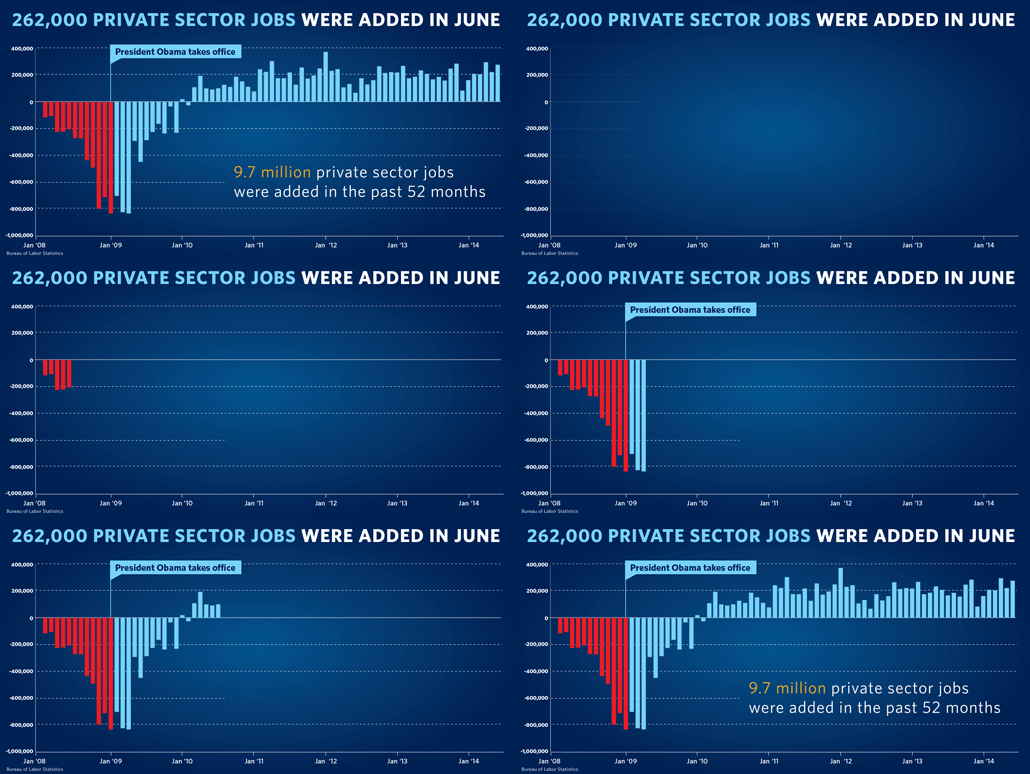
Our country hasn't seen this kind of job creation since the 1990s — and we've been adding more than 200,000 jobs a month for five months straight.
The 1.4 million jobs added in the first half of this year are the most in any first half since 1999. What's more, this is the first time since September 1999-January 2000 that we've seen total job growth above 200,000 for five straight months.
 Learn more about , , Economy, Energy and Environment
- &lsaquo previous
- …
- 28
- 29
- 30
- 31
- 32
- 33
- 34
- 35
- 36
- …
- next &rsaquo
Related Videos
-
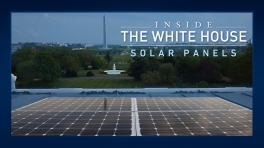 May 09, 2014 9:21 AM
Inside the White House: Solar Panels
-
 September 01, 2016 9:25 PM
President Obama Delivers a Statement to the Press
White House Blogs
- The White House Blog
- Middle Class Task Force
- Council of Economic Advisers
- Council on Environmental Quality
- Council on Women and Girls
- Office of Intergovernmental Affairs
- Office of Management and Budget
- Office of Public Engagement
- Office of Science & Tech Policy
- Office of Urban Affairs
- Open Government
- Faith and Neighborhood Partnerships
- Social Innovation and Civic Participation
- US Trade Representative
- Office National Drug Control Policy