LA CASA BLANCA

Oficina del Secretario de Prensa


PARA PUBLICACIÓN INMEDIATA

22 de abril de 2015

HOJA INFORMATIVA: Celebramos el Día de la Tierra con nuevas iniciativas para proteger a la gente, el territorio y las economías locales contra el cambio climático

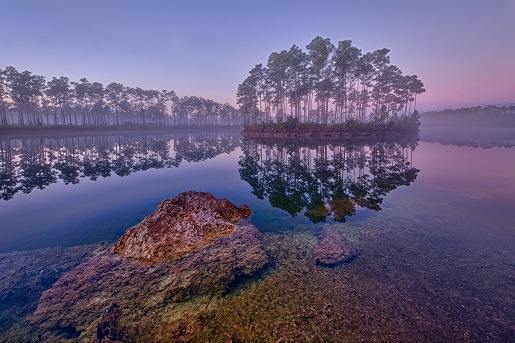
Hoy, para celebrar el Día de la Tierra, el Presidente Obama visitará el Parque Nacional de los Everglades, en Florida, donde el cambio climático y el aumento del nivel del mar están poniendo en peligro uno de los paisajes naturales más emblemáticos de nuestra nación y arriesgando aún más a los $82,000 millones que la economía de dicho estado obtiene del sector turístico. En coincidencia con el viaje del Presidente, la Administración está resaltando el valor que tienen los lugares especiales y vulnerables como el Parque Nacional de los Everglades y anunciando nuevas medidas para proteger a la gente y los territorios que se encuentran en una situación de riesgo debido al cambio climático.

El Presidente ha dejado claro que no hay ningún desafío que presente una amenaza mayor a las generaciones futuras que el cambio climático. Ya no podemos negar los efectos del cambio climático: el año pasado fue el más caluroso de la historia del planeta y 14 de los 15 años más calurosos registrados en la historia han ocurrido en este siglo.  A lo largo y ancho del país, las personas que viven en Estados Unidos ya han tenido que hacer frente a efectos devastadores: desde intensas inundaciones hasta calor extremo y un aumento del riesgo de ataques de asma. Estos acontecimientos plantean amenazas graves para la economía, la salud pública y la seguridad nacional. Además, el cambio climático también está afectando a algunos de los lugares más emblemáticos de nuestro país, desde la desaparición de glaciares en el Parque Nacional de los Glaciares hasta la extinción de árboles de Josué en el Parque Nacional Joshua Tree. Este tipo de pérdidas tiene un impacto sobre los ingresos del sector turístico en pueblos y ciudades de todo nuestro país cuya economía está basada en compartir las maravillas naturales de Estados Unidos con el resto del mundo.

Por esa razón, el Presidente Obama ha tomado medidas históricas para reducir la contaminación de carbono que causa el cambio climático y proteger a las comunidades de Estados Unidos del impacto de dicho cambio, entre las que cabe mencionar el establecimiento de límites a la contaminación de carbono proveniente del sector energético por primera vez en la historia, la firma de un acuerdo histórico con China para reducir las emisiones de gases de efecto invernadero y el respaldo a las inversiones inteligentes en infraestructura sostenible. Bajo el liderazgo del Presidente, el Gobierno Federal también ha realizado inversiones significativas para proteger y restaurar los territorios especiales pero que se encuentran amenazados por la polución y el cambio climático de los que dependen las personas que viven en Estados Unidos, entre los que se incluyen los Grandes Lagos, la Costa del Golfo, la Bahía de Chesapeake y el Parque Nacional de los Everglades.

Tan solo en los Everglades, la Administración ha invertido más de 2,200 millones en esfuerzos de recuperación y el presupuesto del Presidente para 2016 propone una cifra aproximada de $240 millones adicionales. Además de proteger la fuente principal de agua potable de más de un tercio de la población de Florida, estas iniciativas sirven para asegurar que los Everglades de Florida, un motor fundamental de la economía local, puedan hacer frente a los efectos del cambio climático, como la intrusión de agua salada y la presencia de especies invasoras.

Destacamos los territorios especiales y protegemos a las comunidades contra el cambio climático

Desde la menor acumulación de nieve hasta el aumento de los incendios forestales graves, el cambio climático está teniendo un impacto en los parajes naturales de todo nuestro país y amenazando los ingresos de nuestra economía provenientes del sector de recreación al aire libre, que cada año genera $646,000 millones en gastos de consumo y del que dependen 6.1 millones de empleos.  En Florida, efectos como el aumento del nivel del mar están amenazando algunas de las atracciones turísticas más importantes del estado, entre las que se encuentran el Parque Nacional de los Everglades y los Cayos de la Florida, lo que conllevará pérdidas de ingresos estimadas de $9,000 millones para el año 2025 y $40,000 millones para el año 2050.

El Parque Nacional de los Everglades, reconocido a nivel internacional como un paraje natural único y valioso, es el ejemplo perfecto de la amenaza que significa el cambio climático al ocasionar un aumento del nivel del mar que provoca erosión de la costa e inundaciones crecientes.  A medida que aumenta el nivel del mar, el agua salada del océano penetra en el territorio y amenaza las napas y acuíferos que proporcionan agua dulce potable a los habitantes de Florida, destruye los hábitats naturales y priva al Parque Nacional de los Everglades del agua dulce que también constituye la fuente principal de agua potable para más de un tercio de la población de Florida. Los mangles típicos del parque, que forman los manglares protegidos más extensos del hemisferio norte, ya se están retirando hacia el interior. Asimismo, las cambiantes condiciones del ecosistema están provocando el desplazamiento de los animales autóctonos y las plantas nativas, como las orquídeas tropicales, algunos de los cuales solo existen en el sur de Florida. 

Además de su valor cultural, recreativo e histórico, nuestros parques nacionales desempeñan un papel fundamental en nuestra economía.  Es más: al mismo tiempo que sus territorios se ven amenazados por el cambio climático, también desempeñan un papel fundamental en prevenir los efectos más devastadores de dicho cambio climático.  Esta semana, para celebrar el Día de la Tierra, la Administración va a anunciar nuevas iniciativas que reconocen el valor de estos lugares especiales y medidas para proteger a las personas y los territorios que se encuentran en una situación de riesgo debido al cambio climático, incluidos los siguientes:

Cálculo del Valor del Turismo de los Parques Nacionales para la Economía de EE. UU.  Hoy, el Servicio de Parques Nacionales (NPS en inglés) emitirá un nuevo reporte que muestra que cada $1 invertido por contribuyentes que viven en Estados Unidos en el Servicio de Parques Nacionales regresa $10 a la economía de EE. UU.  En el 2014, un nuevo récord de 293 millones de visitantes de parques nacionales gastaron $15.7 mil millones en comunidades alrededor de los parques nacionales, lo que proporcionó un beneficio de $29.7 mil millones a la economía de EE. UU. y apoyó 277,000 trabajos.

Cálculo del Valor de los Parques Nacionales para Almacenar Carbono.  Hoy, el NPS y el Servicio Geológico de EE. UU. emitirán un nuevo reporte que por primera vez calcula el valor de los parque nacionales para almacenar carbono y mitigar el cambio climático.  El reporte concluye que las tierras de los parques nacionales en los 48 estados inferiores almacenan 14.8 millones de toneladas métricas de carbono cada año, y que proporcionar este servicio está valorado en más de $580 millones cada año.

Inversiones en Parques Nacionales. Hoy, el NPS anunciará $26 millones para proyectos de restauración en parques nacionales alrededor del país, lo que incluye $16 millones por parte de socios no gubernamentales.  Estas subvenciones de Centennial Challenge son parte de un esfuerzo de varios años para preparar el Centenario de Servicio de Parques Nacionales del próximo año, lo que incluye una campaña de Encuentre su Parque para conectar a una audiencia más amplia con tierras públicas y la iniciativa del Presidente Obama de Cada Niño en un Parque que le brindará a cada niño de cuarto grado y a sus familias acceso gratis a los parques nacionales y a todas las tierras y aguas federales durante todo un año, a partir de este otoño.      

Designación de un Nuevo Punto de Interés Histórico Cerca de Everglades.  Hoy, el Departamento del Interior y el NPS designarán la casa de Marjory Stoneman Douglas en Miami, Florida, como el punto de interés histórico más nuevo de la nación.  El libro influyente de Marjory Stoneman Douglas’s, The Everglades: River of Grass (1947), marcó un momento decisivo en el movimiento ambiental, y la organización de Friends of the Everglades que ella fundó tuvo un papel central en la conservación y restauración de los Everglades.  Los puntos de interés históricos nacionales proporcionan oportunidades para que las personas que viven en Estados Unidos realicen conexiones personales con el patrimonio cultural e histórico de la nación y pueden ayudar a conducir el turismo y a impulsar las economías locales.

Designación de una Semana Nacional de Parques.  El lunes, el Presidente Obama firmó una proclamación que designa esta semana como la Semana Nacional de Parques e invitó a todas las personas que viven en Estados Unidos a que usen las incomparables tierras públicas que nos pertenecen a todos nosotros.

Provisión de una Herramienta de Mapas de Inundaciones para Ayudar a las Comunidades a Prepararse para las Tormentas.   El martes, la Administración Nacional Oceánica y Atmosférica anunció que se expandió la herramienta de mapas de los riesgos de exposición a inundaciones con el fin de cubrir las áreas costeras a lo largo de toda la costa este de EE. UU. y en el Golfo de México.  Estos mapas de exposición de inundaciones costales le permite a los usuarios seleccionar su ubicación y ver cómo las poblaciones, infraestructura y las áreas naturales locales se verían afectadas bajo una variedad de escenarios de inundaciones, con el objetivo de ayudar a las comunidades a reducir su vulnerabilidad a los riesgos de inundación actuales  Esta herramienta ampliada está incluido dentro del kit de herramientas de EE.UU. Resiliencia Climática pedido por el Plan de Acción Climática del Presidente.

Haciendo que Panoramas Clave se Resistan al Cambio Climático.  El martes, el Departamento del Interior, la EPA de EE. UU. y NOAA anunciaron cuatro panoramas: en el sureste de Florida, Hawai, Puget Sound y Great Lakes, en donde las agencias enfocarán sus esfuerzos con los socios para conservar y restaurar tierras y aguas importantes y hacer que sean más resistentes al cambio climático. Estos proyectos de tierras y aguas resistentes desarrollará la resistencia climática en regiones vulnerables y mejorará la capacidad de almacenamiento de carbono, y se enfocará en la mayor resistencia costa, desarrollar áreas de conservación de pantanos costeros y marinas, proteger el agua potable en áreas urbanas, proporcionar hábitats silvestres y prevenir amenazas como inundaciones y especies invasivas.

Asociación con granjeros, ganaderos y propietarios de bosques para reducir las emisiones de GEI. El jueves, el Departamento de Agricultura de EE. UU. anunciará nuevas acciones que tomará en asociación con granjeros, ganaderos y propietarios de bosques para reducir las emisiones netas de gases de efecto invernadero y apoyar la meta del Presidente Obama de reducir las emisiones de gases de efecto invernadero entre 26 y 28 por ciento por debajo de los niveles del 2005 a más tardar para el 2025.


Keeping America’s Energy System on the Cutting Edge

Today, America has the most advanced energy system in the world. A steady supply of reliable, affordable, and increasingly clean power and fuels underpins every facet of our nation’s economy. But the U.S. energy landscape is changing dramatically, with important implications for the vast networks of pipelines, wires, waterways, railroads, storage systems, and other facilities that form the backbone of America’s energy system.

That’s why today, the Obama administration released the initial installment of the first-ever Quadrennial Energy Review (QER), a four-year cycle of moving-spotlight assessments that will provide a roadmap for U.S. energy policy going forward.

The first installment of the QER focuses on needs and opportunities for modernizing the nation’s energy transmission, storage, and distribution (TS&D) infrastructure — including the range of vulnerabilities and challenges to posed by climate change, the evolving energy mix, aging components and systems, workforce needs, and more. The report proposes specific recommendations and investments to replace, expand, and modernize infrastructure where needed, with the goal of ensuring continued economic competitiveness, energy security, and environmental responsibility.

In remarks today in Philadelphia to announce the release, the Vice President said, “We need a 21st century energy infrastructure — and this report offers a roadmap on how to do that.”

Dr. John P. Holdren is Director of the White House Office of Science and Technology Policy. Dan Utech is Deputy Assistant to the President for Energy and Climate Change.
Related Topics: Energy and Environment

Acid Rain, Toxic Leaded Gas, and Widespread Air Pollution? Not Anymore. Thanks to EPA.

Ed. note: This is cross-posted from the U.S. Environmental Protection Agency's blog. See the original post here.

Acid rain. Dangerous DDT. Toxic leaded gas fumes. Rampant air pollution. These environmental challenges once seemed impossible to meet, and they put our nation’s air, water, and land at risk — not to mention our families’ health. The dangers they posed were real, but you probably haven’t heard about them in a while. There’s a good reason for that.

We put smart policies in place to fix them.

So this Earth Day, here’s a reminder of a few of the environmental challenges our nation has conquered with EPA leading the way, and where we’re headed next.


Acid Rain

Watch on YouTube

Caused by air pollution mixing with water vapor in the atmosphere, acid rain was once poisoning our rivers and lakes, killing fish, forests, and wildlife, and even eroding our buildings.

The 1990 amendments to the Clean Air Act gave EPA the authority to regulate sulfur dioxide and nitrogen oxides, the pollutants causing acid rain, from power plants. The EPA developed the first market-based cap-and-trade pollution reduction program, and guess what — it worked.

Despite the doomsday warnings from some in the power industry that the regulations would cause electricity prices to spike and lead to blackouts, over the last 25 years, acid rain levels are down 60 percent — while electricity prices have stayed stable, and the lights have stayed on. Thanks to hard work by EPA, states, and industry, our nation has put policies in place to solve the problem over the long haul.

Gina McCarthy is the Administrator of the Environmental Protection Agency.
Related Topics: Energy and Environment

Email: Tell Us, What Would You Fight to Protect?

This morning, Senior Advisor Brian Deese sent the following message to the White House email list, highlighting the President's upcoming trip to the Everglades to draw attention to the impacts of climate change.

Brian also asked readers to get involved and share a National Park or natural space that they would fight to protect from the effects of climate change, and to share it with their friends and followers on social media.

Didn't get the message? Sign up for email updates here.


Here's where the President is traveling for the very first time this Wednesday:

That's the Everglades -- one of our country's most unique and treasured landscapes. But Wednesday's trip is about more than touring an iconic National Park on Earth Day. Here's why:

The Everglades are flat, and they border a rising ocean. As the sea levels rise, the shorelines erode, and that salty water travels inland, threatening the aquifers supplying fresh drinking water to Floridians. That doesn't just destroy a beautiful and unique national landscape. It threatens an $82 billion state tourism economy, and drinking water for more than 7 million Americans -- more than a third of Florida's population.

This Earth Day, we're far beyond a debate about climate change's existence. We're focused on mitigating its very real effects here at home, preparing our communities where its impacts are already being felt, and leading an international effort for action. And the President has already acted in big ways. Over the last eight years, the United States has cut more carbon pollution than any other country, while creating 12.1 million private-sector jobs over 61 months; setting aside more public lands and waters than any Administration in history; and releasing a Clean Power Plan to curb carbon pollution from existing power plants -- the single-biggest source of carbon pollution in the U.S.

America's Doctor is Taking Your Questions: #AskTheSurgeonGeneral

Yesterday, as part of Public Health Week, Surgeon General Vivek Murthy joined President Obama and EPA Administrator Gina McCarthy for a roundtable discussion with faculty at Howard University Medical School about what the Administration is doing to address climate change. He talked about the impact of climate change on public health and how prevention is the key to public health.

As Surgeon General, Dr. Murthy underscored we all have a stake in our national and global health. Every single one of us stands to benefit from a public health system that is focused on wellness and prevention — not one that simply focuses on treating sickness and disease.

Now, he wants you to join the conversation and ask him a question about the impact of climate change on health – or any other public health topic.

Starting this evening through 2:30 p.m. ET tomorrow, April 9, he'll be taking your questions on Twitter using the hashtag #AskTheSurgeonGeneral, and responding via video on @Surgeon_General throughout the afternoon on April 9.

Related Topics: Energy and Environment

Continuing Our Focus on Solar Energy

Watch on YouTube

Today, President Obama visited Hill Air Force Base in Salt Lake City, Utah to host a roundtable on clean energy, tour solar installations on the base, and talk about the importance of clean energy jobs.

With the United States generating 20 times more solar electricity than when the President took office, we’ve made substantial progress -- and in his remarks today, the President announced more actions to drive growth in the solar industry while supporting our nation's veterans.

Chris Evans is an intern in the White House Office of Digital Strategy.
Related Topics: Energy and Environment, Utah

Discovering America’s Public Lands, City by City

President Barack Obama signs a proclamation regarding the establishment of the Pullman National Monument

President Barack Obama signs a proclamation regarding the establishment of the Pullman National Monument at the Gwendolyn Brooks College Preparatory Academy in Chicago, Ill., Feb. 19, 2015. (Official White House Photo by Pete Souza)


No matter who you are, no matter where you live, our parks and our monuments, our lands, our waters -- these places are the birthright of all Americans.

President Obama, February 19, 2015

With more than 80 percent of families living in urban areas, finding safe, open spaces to enjoy time outdoors can be a challenge for many Americans. Children, especially, are spending less time playing outside than ever before. But when children get the chance to explore the outdoors and experience nature in America’s unparalleled public lands and waters, they can learn an appreciation that will last a lifetime. It’s our responsibility to give them that chance.

That’s why last month President Obama issued a call to action to get all children to visit and enjoy America’s great outdoors. And today, Secretary of the Interior Sally Jewell launched the 50 Cities Initiative to engage the next generation of outdoor stewards.

Moms Matter in Our Fight Against Climate Change

Ed. note: This is cross-posted on the EPA Connect blog. See the original post here.

Our children mean the world to us.  So as moms, when we say we must meet our moral obligation to leave the next generation a world that is safe and healthy, we mean it.  For us moms, it’s personal. It’s our children and grandchildren who are currently suffering from the effects of pollution.  It’s our children and grandchildren who make up the future generations each one of us is obligated to protect.   This March marks Women’s History Month; a time to recognize the unwavering strength of the mothers coming together to organize, speak out, and stand up for the health of their children.

EPA plays a critical role in protecting our children from pollution by keeping our air and water clean and safe, and by taking historic steps to fight climate change.  And it turns out, efforts to combat climate change double as public health protection, too.  The carbon pollution that fuels climate change comes packaged with other dangerous pollutants that cause smog and soot.  With 1-in-10 children in the U.S. today already dealing with asthma—and even higher rates in communities of color—we must do all that we can to reduce harmful exposure.

That’s why EPA’s effort to set first-ever limits on our biggest source of pollution, power plants, is so important. And EPA is proud to work with mothers like us around the country, compelled to action on behalf of our kids’ health—and the health of generations to come.

The Promise of Wind Energy

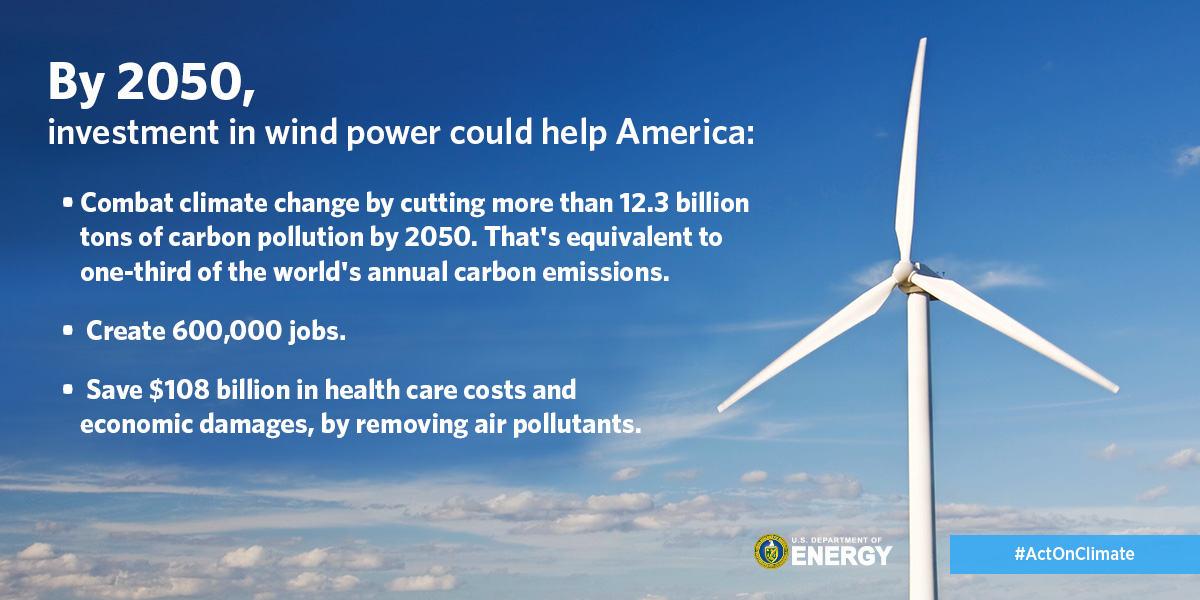
By 2050, investment in wind power will help America fight climate change, add jobs and save on healthcare costs.

No challenge poses a greater threat to future generations than climate change. In June 2013, President Obama put forward a comprehensive Climate Action Plan. We are making great strides in advancing our climate goals, and perhaps nowhere has progress been as dramatic as in renewable energy.

Today, we harness three times as much electricity from the wind and 10 times as much from the sun as we did since President Obama took office. Wind energy is emerging as a powerhouse in the U.S. energy mix – supporting over 50,000 American jobs and supplying enough energy to power 16 million homes. Wind power advances our energy independence, bolsters our energy security, and combats climate change. A third of all new generating capacity has come from wind over the past five years, and the United States ranks first in the world in wind power generation.

Building on this progress, today the Department of Energy released Wind Vision: A New Era for Wind Power in the United States, a comprehensive analysis of the U.S. wind energy industry. The report shows that the nation can deploy wind power to economically provide 35% of our nation’s electricity and supply renewable power in all 50 states by 2050.

Dan Utech is the Deputy Assistant to the President for Energy and Climate Change.
Related Topics: Energy and Environment

Protecting Vital Waters as Marine Sanctuaries

Forty years ago, President Ford approved the designation of the country’s first marine sanctuary — the USS Monitor National Marine Sanctuary, protecting the shipwreck of one of the most famous Civil War ironclads. Since then, 13 other marine protected areas have been added to the Sanctuary system, encompassing more than 150,000 square miles of ocean along our coasts, in the Great Lakes, and near the Hawaiian islands and American Samoa.

Like the Monitor, some of these sanctuaries and monuments provide insight into our nation’s history. Others protect areas rich in biological diversity and significant for scientific research and discovery. Many are economically valuable for fishing, tourism, and recreation. Together, the network of sanctuaries helps preserve a natural resource that all Americans depend on, no matter where they live: a healthy and thriving ocean.

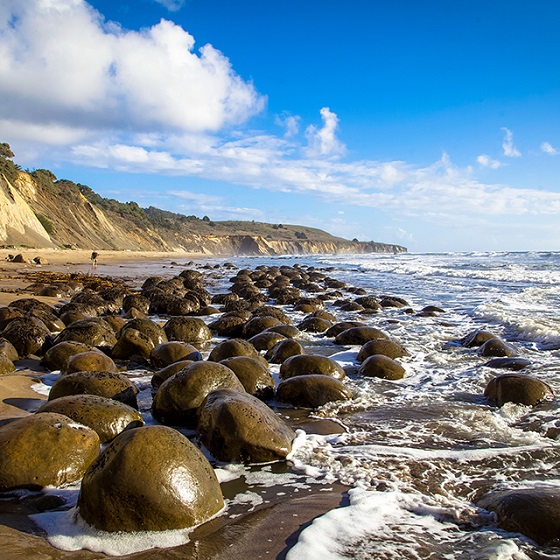
Bowling Ball Beach

And now, the Obama administration is making that treasured network even stronger. NOAA announced today that it is expanding two existing sanctuaries off California’s North-central coast. The expansion will more than double the current size of the Gulf of the Farallones and Cordell Bank national marine sanctuaries, ensuring that we are protecting all that the region has to offer — from its biologically rich habitats primed for fishing and scientific research to the seascapes and shipwrecks that attract tourists and explorers.